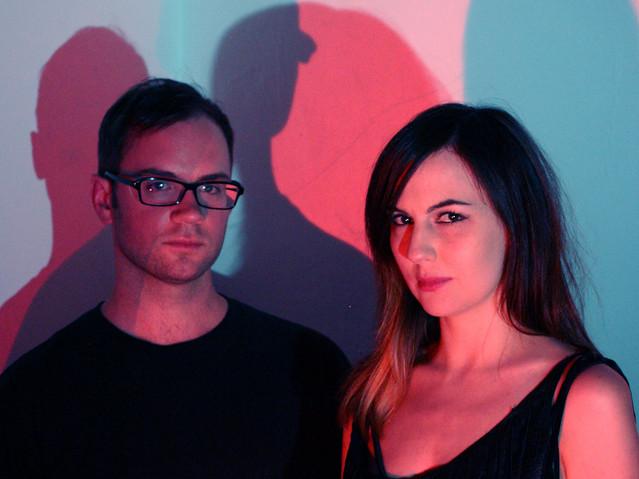
Puro Instinct

Pop
Indie Pop
Dream Pop
Punk Rock
 Viberate Rank: 256729
 Viberate Rank: 256729
 Monthly ListenersFollowers
 Subscribers
 Followers
 Followers
 FansTop Spotify Songs
| Track | 7-Day Streams | |
|---|---|---|
1 | 252 | |
2 | 124 | |
3 | 62 | |
4 | 59 | |
5 | 45 |
Top YouTube VideosMonthly ListenersFeatured in Playlists| Playlist | Followers | |
|---|---|---|
1 | shoedream mmastodonn | 23.43K |
2 | Lee Moore | 16.03K |
3 | Dreampop Shoegaze Lo-Fi Buffet Chris Chan | 8.02K |
4 |  Daft Life GlitzyHavoc | 5.41K |
5 |  Stack Hype Machine | 5.16K |
Audience| City | Monthly Listeners | |
|---|---|---|
1 | | 58 |
2 | | 28 |
3 |  | 23 |
4 | | 23 |
5 |  | 18 |
See full performance history, audience data, playlist activity, rankings, comparisons, and more in Viberate music analytics. Start with a free trial, then continue with a paid plan.
Puro Instinct’s Spotify BioThe dreamy pop project of Hollywood natives and sisters Piper and Skylar Kaplan, Puro Instinct's roots can be traced back to an inspiring meeting Piper had with experimental musician R. Stevie Moore during a trip to New York City. She began writing songs with Skylar, a self-taught guitarist who was 13 years old at the time. Mexican Summer signed the duo on the strength of their demos and released their debut EP, 2009's Something About the Chaparrals. Another single, "Slivers of You," arrived before the release of their darker-sounding self-titled EP on Gloriette, the label of Nite Jewel's Ramona Gonzalez. In 2010, Puro Instinct began work on their first full-length release. The results, 2011's Headbangers in Ecstasy, had a smoother sound than their previous work and featured a collaboration with Ariel Pink on the single "Stilyagi." The Kaplans then took their music in a dance-inspired direction, collaborating with French electro producer Strip Steve and house producer SFV Acid, and… releasing the balearic 2012 single "Dream Lover," which was produced by Pharaohs' Alejandro Cohen. Puro Instinct began working on their second album, taking inspiration from a month-long stay in Australia as well as the darker side of their hometown. Arriving in June 2016, Autodrama featured contributions from Pink and Sensations Fix's Franco Falsini. ~ Heather Phares, Rovi
Viberate is a music analytics platform built for A&Rs, artist managers, labels, booking agents, marketers, and artists.
It helps music professionals track artist growth, analyze audience data, monitor playlist activity, compare artists, follow song performance, and identify opportunities across the music market.
Public artist pages provide a free preview of selected artist data. Paid plans provide access to deeper analytics, historical data, charts, comparisons, playlist tools, exports, alerts, reports, and additional professional features.
Yes. Public Viberate artist pages provide selected artist analytics and music data for free.
Viberate also offers a 7-day free trial of the full platform. A credit card is required to start the trial. The trial includes access to the complete product so users can test deeper artist analytics, historical views, playlist insights, comparisons, charts, exports, alerts, and reporting features before choosing a paid plan.
Viberate provides artist analytics across streaming, playlists, social media, video, radio airplay, songs, and audience markets.
Users can analyze Spotify performance, Spotify and Apple Music playlists, YouTube activity, TikTok and Instagram growth, radio spins, song performance, audience locations, demographics, rankings, and overall artist momentum.
Artist profiles also connect to music charts, similar artists, and comparison tools, helping users benchmark performance and evaluate artists in context.
Viberate updates key artist and track data daily.
For followed artists and tracks, selected data is refreshed multiple times per day. This helps teams monitor playlist changes, streaming movement, audience growth, releases, and campaign performance with more current data.
Update frequency can vary depending on the metric and data source.
Yes. Viberate lets users compare up to five artists side by side across streaming, social media, audience, and engagement metrics.
Users can compare fanbase growth, audience demographics, locations, Spotify performance, social metrics, and other artist data over selected time periods.
Artist comparison can be used for A&R scouting, benchmarking, booking decisions, campaign planning, and evaluating artists with similar audiences or market positions.