Psychic Temple

Pop
Indie Pop
Psychedelic Rock
 Viberate Rank: 383449
 Viberate Rank: 383449
 Monthly ListenersFollowers
 Subscribers
 Followers
 Followers
 FansTop Spotify Songs
| Track | 7-Day Streams | |
|---|---|---|
1 | 344 | |
2 | 196 | |
3 | 152 | |
4 | 103 | |
5 | 59 |
Top YouTube VideosMonthly ListenersFeatured in Playlists| Playlist | Followers | |
|---|---|---|
1 | The Morning Spring 2023 Playlist nytimes | 30.66K |
2 |  A Very Hip Christmas Mac | 20.36K |
3 |  Psychedelic David Bogard | 7.80K |
4 |  The Sound of Neo-Psychedelic The Sounds of Spotify | 6.85K |
5 |  Aquarium Drunkard: Decade / 2005-2015 Aquarium Drunkard | 4.42K |
Audience| City | Monthly Listeners | |
|---|---|---|
1 |  | 59 |
2 | | 37 |
3 |  | 32 |
4 | | 30 |
5 | | 27 |
See full performance history, audience data, playlist activity, rankings, comparisons, and more in Viberate music analytics. Start with a free trial, then continue with a paid plan.
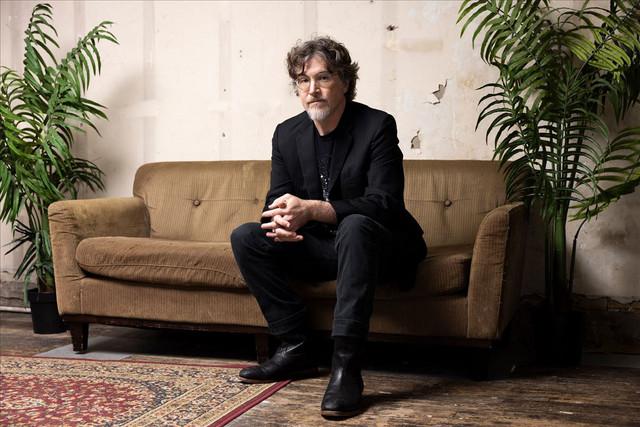
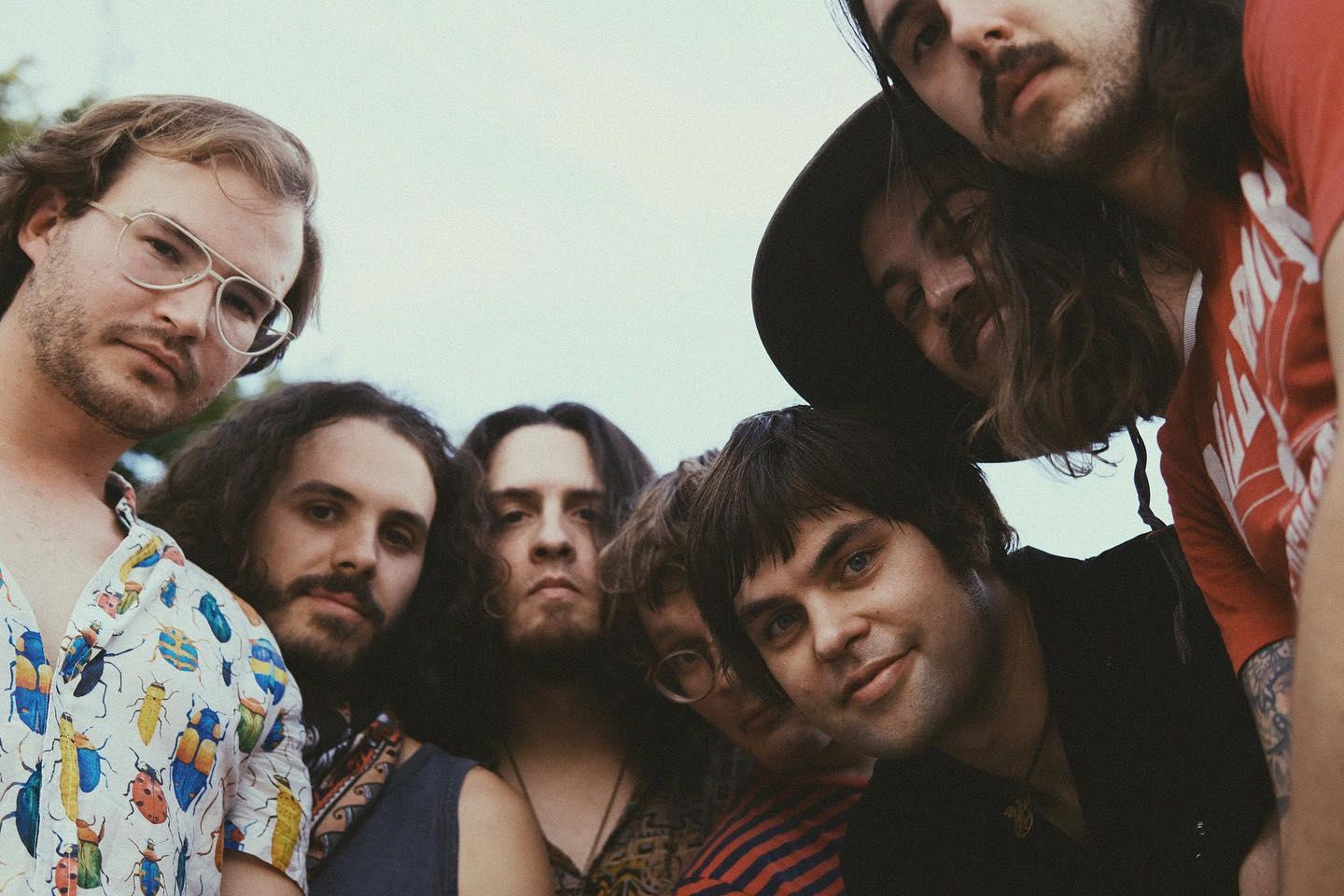
Psychic Temple’s Spotify Bio"Psychic Temple is a cult. Psychic Temple is a band. Psychic Temple is a singular vision realized by some of the finest artists on Planet Earth." Or at least that's what Psychic Temple's record label has to say about the group. Psychic Temple is also a recording project headed up by noted composer, producer, and multi-instrumentalist Chris Schlarb. Schlarb is an eclectic artist whose work often leans to free jazz and experimental music, but his work under the Psychic Temple banner ranks with his most accessible. Psychic Temple's recordings combine elements of pop, Americana, and smooth jazz with Schlarb's more adventurous influences. Schlarb launched the Psychic Temple moniker in 2010 with an album simply titled Psychic Temple. Co-released by Asthmatic Kitty Records in association with Schlarb's Sounds Are Active label, Psychic Temple's debut featured contributions from 29 musicians, including former Minutemen bassist Mike Watt, drummer Tabor Allen of Rare Grooves, and Philip Glass col…laborator Mick Rossi.
Schlarb pushed Psychic Temple's pop influences further to the forefront with PT's second album, Psychic Temple II, which included guest appearances from Sufjan Stevens, Sarah Negahdari of Silversun Pickups, and progressive metal guitarist Paul Masvidal. Released in 2013, the album found Schlarb and his ensemble covering classic tunes by Brian Wilson, Joe Jackson, and Frank Zappa, as well as a handful of Schlarb originals. In 2016, Schlarb returned with the third and most ambitious Psychic Temple album, Psychic Temple III. Recorded at Schlarb's own studio in California and at Fame Studios in Muscle Shoals, Alabama, III was steeped in country and soul influences as well as pop and jazz. The set included performances by Spooner Oldham, David Hood, Avi Buffalo, and Dave Easley. Also appearing in 2016 were Psychic Temple Plays Music for Airports, featuring an interpretation of the groundbreaking Brian Eno piece of the same name, and the 7" single Two Songs About Cults, which included a cover of Tears for Fears' "Everybody Wants to Rule the World." Both of these releases appeared on Joyful Noise, which also issued Psychic Temple IV in 2017. In September 2020, Schlarb issued a unique Psychic Temple project, Houses of the Holy. Conceived as a two-LP vinyl album, Schlarb set out to do something he believed had never been done before: release a two-record set with no unnecessary songs as filler. With this in mind, each of the four sides was recorded in tandem with a different band. His collaborators for Houses of the Holy were Cherry Glazerr, the Chicago Underground Trio, the Dream Syndicate, and a full orchestra accompanying poet Xololanxinxo. ~ Mark Deming, Rovi
Viberate is a music analytics platform built for A&Rs, artist managers, labels, booking agents, marketers, and artists.
It helps music professionals track artist growth, analyze audience data, monitor playlist activity, compare artists, follow song performance, and identify opportunities across the music market.
Public artist pages provide a free preview of selected artist data. Paid plans provide access to deeper analytics, historical data, charts, comparisons, playlist tools, exports, alerts, reports, and additional professional features.
Yes. Public Viberate artist pages provide selected artist analytics and music data for free.
Viberate also offers a 7-day free trial of the full platform. A credit card is required to start the trial. The trial includes access to the complete product so users can test deeper artist analytics, historical views, playlist insights, comparisons, charts, exports, alerts, and reporting features before choosing a paid plan.
Viberate provides artist analytics across streaming, playlists, social media, video, radio airplay, songs, and audience markets.
Users can analyze Spotify performance, Spotify and Apple Music playlists, YouTube activity, TikTok and Instagram growth, radio spins, song performance, audience locations, demographics, rankings, and overall artist momentum.
Artist profiles also connect to music charts, similar artists, and comparison tools, helping users benchmark performance and evaluate artists in context.
Viberate updates key artist and track data daily.
For followed artists and tracks, selected data is refreshed multiple times per day. This helps teams monitor playlist changes, streaming movement, audience growth, releases, and campaign performance with more current data.
Update frequency can vary depending on the metric and data source.
Yes. Viberate lets users compare up to five artists side by side across streaming, social media, audience, and engagement metrics.
Users can compare fanbase growth, audience demographics, locations, Spotify performance, social metrics, and other artist data over selected time periods.
Artist comparison can be used for A&R scouting, benchmarking, booking decisions, campaign planning, and evaluating artists with similar audiences or market positions.