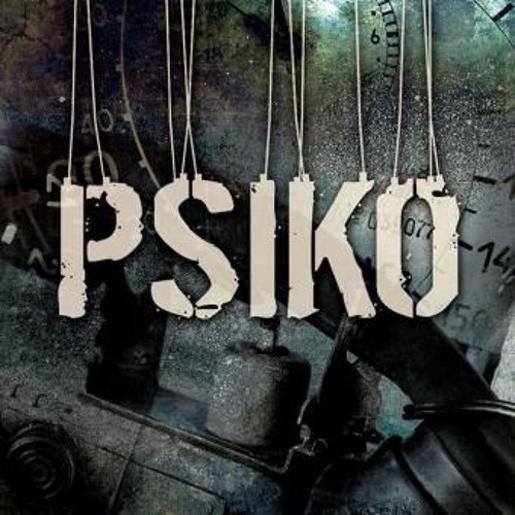
PSIKO

Electronic
Hardstyle/Hardcore
 Viberate Rank: 288030
 Viberate Rank: 288030
 Monthly ListenersFollowers
 Subscribers
 Followers
 Followers
 FansTop Spotify Songs
| Track | 7-Day Streams | |
|---|---|---|
1 | 1.02K | |
2 | 680 | |
3 | 528 | |
4 | 482 | |
5 | 389 |
Top YouTube VideosMonthly ListenersFeatured in Playlists| Playlist | Followers | |
|---|---|---|
1 |  FRENCHCORE Pure Massive | 81.41K |
2 | OFFIZIELLE PR PLAYLIST svenja_ti | 18.06K |
3 | Pornstar Zilean | 17.48K |
4 | Frenchcore ♡ Sarusch van Core | 15.11K |
5 | ☣️FRENCHCORE☣️ donkergabber23 | 11.55K |
Audience| City | Monthly Listeners | |
|---|---|---|
1 |  | 160 |
2 |  | 144 |
3 |  | 132 |
4 | | 128 |
5 | | 121 |
See full performance history, audience data, playlist activity, rankings, comparisons, and more in Viberate music analytics. Start with a free trial, then continue with a paid plan.
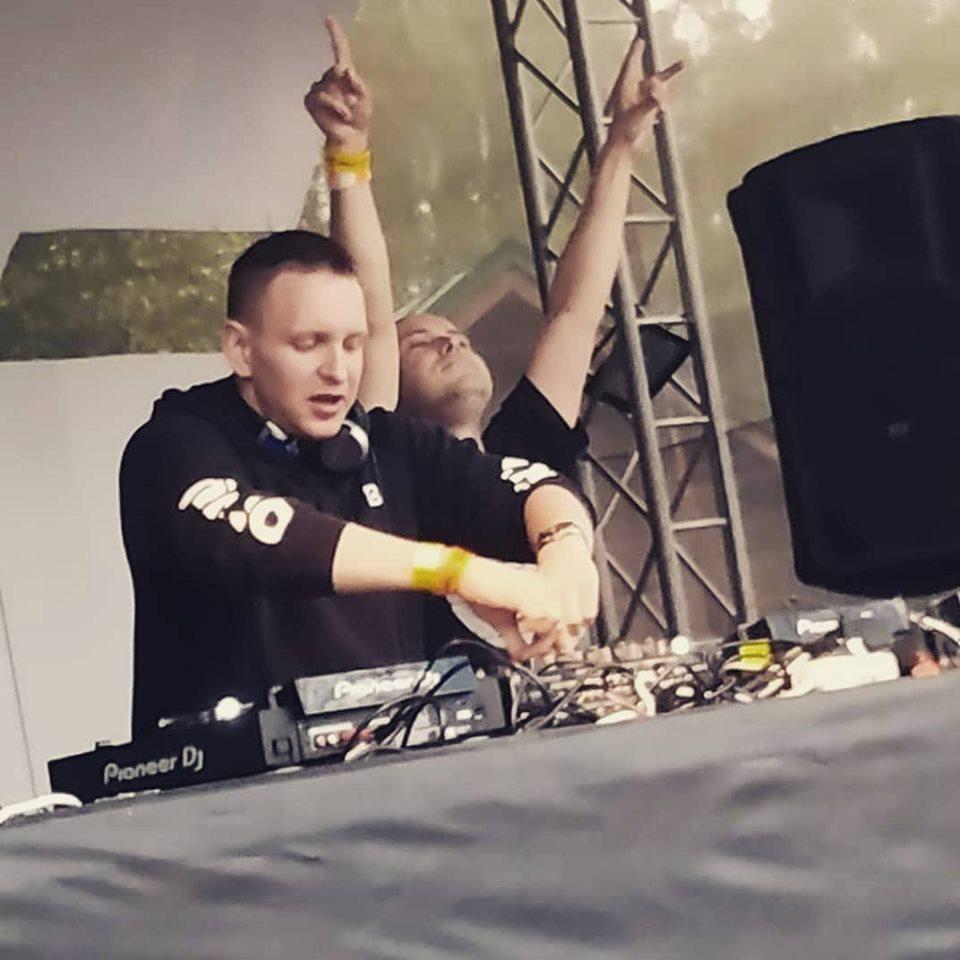
PSIKO’s Spotify BioTechno fan since 1993, Psiko became a DJ in 1997. He co-founded the “Radiation Sound System” collective the same year and organized many events in the West of France.
Right from the beginning, Psiko soon turned himself towards frenchcore and artists such as Micropoint or Radium started to influence his music. He finally obtained a residency in a hardcore club.
In 2001, he set up a program in a “pirate” radio and, one year later, he decided to invest everything he had into the promotion of hardcore music. In 2004, Maissouille and Gobus urged him to produce tracks: he started to compose and released, between 2006 and 2008, about ten CDs and vinyls underToon’z Shop Records, ES Production and Audiolab Production.
In 2008, he became part of the Audiogenic label and released two vinyls shortly after: Radioactive EP (in collaboration with Gobus) and Disko Inferno EP.
His first 14-track album, Beat+Torture+Kill, was released in May 2010 and helped him to establish his status of composer.
In July… 2012, he came back with Burning Playground: a mixture of techno, hardcore, dubstep, electronic sounds, movie extracts, remixes, female and male voices from videogames, tangy lyrics and prevalent trends. The young artist stuck his neck out for it! A completely free spirit but mastered music...
In 2018 Psiko released his third album Psiko:Path on Underground Tekno.
Then he came back this year with a fourth mature album includes bombs and videoclip....
Nothing cant stop him!!!
Viberate is a music analytics platform built for A&Rs, artist managers, labels, booking agents, marketers, and artists.
It helps music professionals track artist growth, analyze audience data, monitor playlist activity, compare artists, follow song performance, and identify opportunities across the music market.
Public artist pages provide a free preview of selected artist data. Paid plans provide access to deeper analytics, historical data, charts, comparisons, playlist tools, exports, alerts, reports, and additional professional features.
Yes. Public Viberate artist pages provide selected artist analytics and music data for free.
Viberate also offers a 7-day free trial of the full platform. A credit card is required to start the trial. The trial includes access to the complete product so users can test deeper artist analytics, historical views, playlist insights, comparisons, charts, exports, alerts, and reporting features before choosing a paid plan.
Viberate provides artist analytics across streaming, playlists, social media, video, radio airplay, songs, and audience markets.
Users can analyze Spotify performance, Spotify and Apple Music playlists, YouTube activity, TikTok and Instagram growth, radio spins, song performance, audience locations, demographics, rankings, and overall artist momentum.
Artist profiles also connect to music charts, similar artists, and comparison tools, helping users benchmark performance and evaluate artists in context.
Viberate updates key artist and track data daily.
For followed artists and tracks, selected data is refreshed multiple times per day. This helps teams monitor playlist changes, streaming movement, audience growth, releases, and campaign performance with more current data.
Update frequency can vary depending on the metric and data source.
Yes. Viberate lets users compare up to five artists side by side across streaming, social media, audience, and engagement metrics.
Users can compare fanbase growth, audience demographics, locations, Spotify performance, social metrics, and other artist data over selected time periods.
Artist comparison can be used for A&R scouting, benchmarking, booking decisions, campaign planning, and evaluating artists with similar audiences or market positions.