Proxillian

Metal
Power Metal
 Viberate Rank: 640834
 Viberate Rank: 640834
 Monthly ListenersFollowers
 Subscribers
 Followers
 Followers
 FansTop Spotify Songs
| Track | 7-Day Streams | |
|---|---|---|
1 | 139 | |
2 | 8 | |
3 | 7 | |
4 | 7 | |
5 | 4 |
Top YouTube VideosMonthly ListenersFeatured in Playlists| Playlist | Followers | |
|---|---|---|
1 |  Aggretsuko Metal Soundtrack The Joshing One | 7.03K |
2 |  Best of Power Metal rikkukun | 2.64K |
3 |  Melodic/Symphonic Power Metal Metal Land | 1.44K |
4 |  NYANGO STAR Julius Axel Tjahjanto | 1.05K |
Audience| City | Monthly Listeners | |
|---|---|---|
1 | | 6 |
2 |  | 5 |
3 | | 5 |
4 |  | 5 |
5 |  | 5 |
See full performance history, audience data, playlist activity, rankings, comparisons, and more in Viberate music analytics. Start with a free trial, then continue with a paid plan.
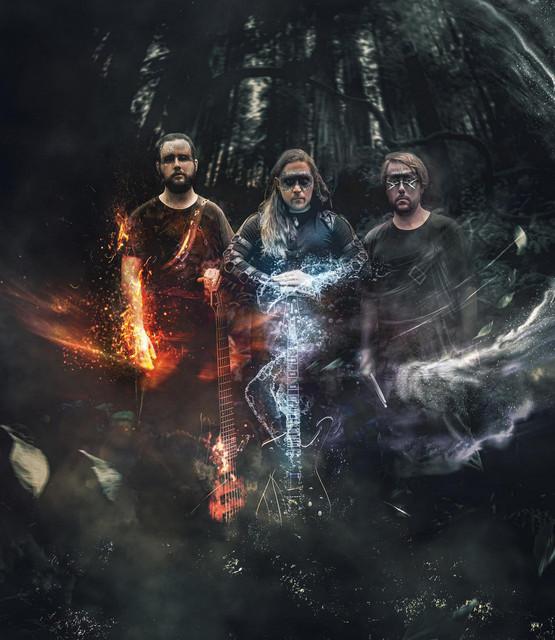
Proxillian’s Spotify BioPROXILLIAN was founded in 2012 in by vocalist Marcel Parma, guitarists Maximilian Werner and Sebastian Eilf, bassist Benjamin Claas and drummer Adrian Beier with one primary goal: pushing the boundaries of classical heavy metal and forging them into a modern coat.
Their name refers to a travel companion through recesses of the human soul both light and dark. On their 2013 debut “But Sorrow Remains”, the band offered modern, yet timeless power metal in the tradition of German acts like Helloween or Scanner with a tinge of hard rock.
After the release and remarkable gigs, PROXILLIAN regrouped with Alexander Zeis replacing Maximilian while bassist Benny quit. Unerringly, they continued writing songs, which are now released on “Redemption” via 7hard. It shows the band at the peak of its powers, rife with detail and exciting speed anthems, wistful semi ballads and riotous stompers, but also deft arrangements, more heaviness and a distinctive immediacy.
Thus, PROXILLIAN carry the torch of… German metal with dignity. If you listen to Marcel’s compelling vocals, which perfectly fit his sombre, real-life lyrics, the multitude of brillant solos and progressive flourishes, you will arrive at only one conclusion: “Redemption” is an empowering call to freedom, and the future belongs to its creators!
Viberate is a music analytics platform built for A&Rs, artist managers, labels, booking agents, marketers, and artists.
It helps music professionals track artist growth, analyze audience data, monitor playlist activity, compare artists, follow song performance, and identify opportunities across the music market.
Public artist pages provide a free preview of selected artist data. Paid plans provide access to deeper analytics, historical data, charts, comparisons, playlist tools, exports, alerts, reports, and additional professional features.
Yes. Public Viberate artist pages provide selected artist analytics and music data for free.
Viberate also offers a 7-day free trial of the full platform. A credit card is required to start the trial. The trial includes access to the complete product so users can test deeper artist analytics, historical views, playlist insights, comparisons, charts, exports, alerts, and reporting features before choosing a paid plan.
Viberate provides artist analytics across streaming, playlists, social media, video, radio airplay, songs, and audience markets.
Users can analyze Spotify performance, Spotify and Apple Music playlists, YouTube activity, TikTok and Instagram growth, radio spins, song performance, audience locations, demographics, rankings, and overall artist momentum.
Artist profiles also connect to music charts, similar artists, and comparison tools, helping users benchmark performance and evaluate artists in context.
Viberate updates key artist and track data daily.
For followed artists and tracks, selected data is refreshed multiple times per day. This helps teams monitor playlist changes, streaming movement, audience growth, releases, and campaign performance with more current data.
Update frequency can vary depending on the metric and data source.
Yes. Viberate lets users compare up to five artists side by side across streaming, social media, audience, and engagement metrics.
Users can compare fanbase growth, audience demographics, locations, Spotify performance, social metrics, and other artist data over selected time periods.
Artist comparison can be used for A&R scouting, benchmarking, booking decisions, campaign planning, and evaluating artists with similar audiences or market positions.