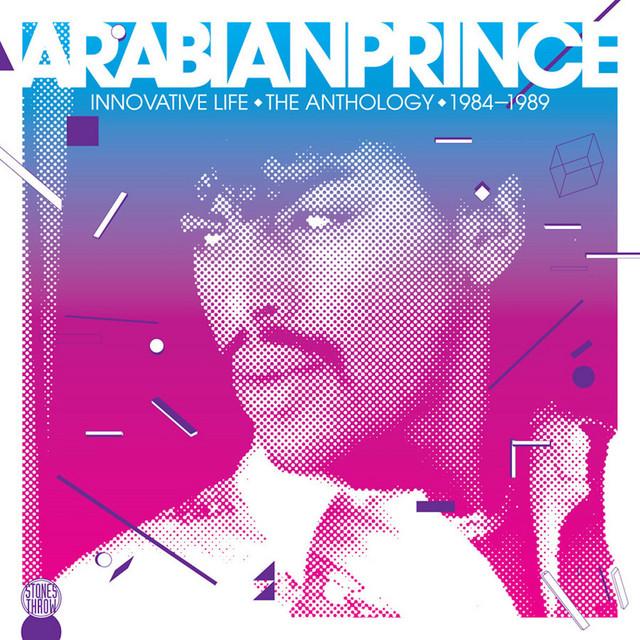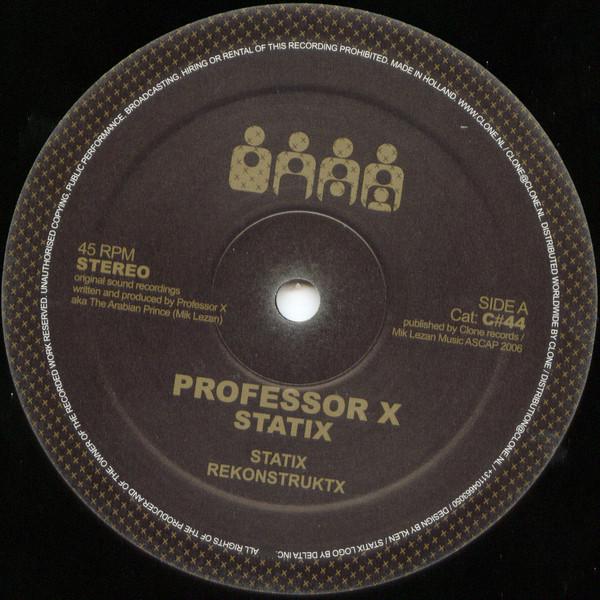
Professor X

Hip Hop
Contemporary Hip Hop
Alternative Hip Hop
 Viberate Rank: 640071
 Viberate Rank: 640071
 Monthly ListenersFollowers
 Subscribers
 Followers
 Followers
 FansTop Spotify Songs
| Track | 7-Day Streams | |
|---|---|---|
1 | 350 | |
2 | 58 | |
3 | 58 | |
4 | 49 | |
5 | 41 |
Top YouTube VideosMonthly ListenersFeatured in Playlists| Playlist | Followers | |
|---|---|---|
1 |  🚉Graffiti Music Miro Moore | 22.07K |
2 |  pluggnb love songs kylaaaaa | 10.30K |
3 | 90's Hip-Hop : Rarest Apathy | 6.71K |
4 |  Elektroniskt i P2 P2 Sveriges Radio | 2.74K |
5 |  FUNKY POPPING MUSIC Ronin | 2.04K |
Audience| City | Monthly Listeners | |
|---|---|---|
1 |  | 42 |
2 |  | 35 |
3 | | 18 |
4 |  | 18 |
5 | | 15 |
See full performance history, audience data, playlist activity, rankings, comparisons, and more in Viberate music analytics. Start with a free trial, then continue with a paid plan.
Professor X’s Spotify BioAs a member of the fiercely polemical hip-hop collective X-Clan, Professor X spearheaded rap music's embrace of Black Nationalist politics, later continuing his activism with a series of solo efforts. The son of Civil Rights' pioneer Sonny Carson, Professor X was born Lumumba Carson in Brooklyn in 1956. As a child, he met Malcolm X and regularly accompanied his father in traveling to political rallies both at home and abroad. But as a teen, Carson drifted into gang life, and was shot, stabbed, and imprisoned before re-dedicating his life to politics, vowing to introduce his father's principles into hip-hop. Carson first entered the music business as a promoter for rappers like Whodini. Some years older than the artists he mentored, he eventually dubbed himself Professor X in honor of the brilliant guru leading comic book heroes the X-Men. In 1988 Professor X teamed with Grand Verbalizer Funkin' Lesson "Brother J" (born Jason Hunter), the Rhythem Provider "Sugar Shaft" (Anthony Hardin),… and Grand Architect "Paradise" (Claude Grey) to found the Brooklyn-based X-Clan. Clad in medallions and traditional Black Nationalist gear, X-Clan immediately served notice that their music would serve to educate and uplift listeners of all races and creeds. Professor X was the group's sage, spouting his signature lyric "Vainglorious! This is protected by the red, the black, and the green with a key, sissy!" on several cuts on their acclaimed 1990 debut LP, To the East, Blackwards. The album fell just shy of the R&B Top Ten, as did its 1992 follow-up, Xodus. In the interim, Professor X issued his debut solo effort, Years of the 9, On the Blackhand Side, and after X-Clan dissolved, he resurfaced in 1993 with Puss 'n Boots (The Struggle Continues...). As the rise of gangsta rap cast conscious hip-hop to the commercial margins, Professor X channeled his energies into more traditional activist pursuits, co-founding the Black Muslim group Blackwatch. Amid rumors of an X-Clan reunion, Professor X died of complications from spinal meningitis on March 17, 2006. ~ Jason Ankeny, Rovi
Viberate is a music analytics platform built for A&Rs, artist managers, labels, booking agents, marketers, and artists.
It helps music professionals track artist growth, analyze audience data, monitor playlist activity, compare artists, follow song performance, and identify opportunities across the music market.
Public artist pages provide a free preview of selected artist data. Paid plans provide access to deeper analytics, historical data, charts, comparisons, playlist tools, exports, alerts, reports, and additional professional features.
Yes. Public Viberate artist pages provide selected artist analytics and music data for free.
Viberate also offers a 7-day free trial of the full platform. A credit card is required to start the trial. The trial includes access to the complete product so users can test deeper artist analytics, historical views, playlist insights, comparisons, charts, exports, alerts, and reporting features before choosing a paid plan.
Viberate provides artist analytics across streaming, playlists, social media, video, radio airplay, songs, and audience markets.
Users can analyze Spotify performance, Spotify and Apple Music playlists, YouTube activity, TikTok and Instagram growth, radio spins, song performance, audience locations, demographics, rankings, and overall artist momentum.
Artist profiles also connect to music charts, similar artists, and comparison tools, helping users benchmark performance and evaluate artists in context.
Viberate updates key artist and track data daily.
For followed artists and tracks, selected data is refreshed multiple times per day. This helps teams monitor playlist changes, streaming movement, audience growth, releases, and campaign performance with more current data.
Update frequency can vary depending on the metric and data source.
Yes. Viberate lets users compare up to five artists side by side across streaming, social media, audience, and engagement metrics.
Users can compare fanbase growth, audience demographics, locations, Spotify performance, social metrics, and other artist data over selected time periods.
Artist comparison can be used for A&R scouting, benchmarking, booking decisions, campaign planning, and evaluating artists with similar audiences or market positions.