Profanity

Metal
Death Metal
Progressive Metal
 Viberate Rank: 287283
 Viberate Rank: 287283
 Monthly ListenersFollowers
 Subscribers
 Followers
 Followers
 FansTop Spotify Songs
| Track | 7-Day Streams | |
|---|---|---|
1 | 116 | |
2 | 82 | |
3 | 13 | |
4 | 13 | |
5 | 12 |
Top YouTube Videos| Video | 7-Day Views | |
|---|---|---|
1 | 269 | |
2 | 81 | |
3 | 38 | |
4 | 31 | |
5 | 27 |
Monthly ListenersFeatured in Playlists| Playlist | Followers | |
|---|---|---|
1 |  tiktok songs ᥫ᭡. | 116.21K |
2 |  sexy, slowed, and reverb gabbyladi | 23.71K |
3 |  QUEEN del drama byhermoss | 17.76K |
4 | Brutal Death Metal Slamming Melle Iedema | 8.30K |
5 | slowed & sped up + reverbed songs that hit diff tisya <3 | 7.31K |
Audience| City | Monthly Listeners | |
|---|---|---|
1 | | 24 |
2 | | 6 |
3 | | 5 |
4 | | 5 |
5 |  | 5 |
See full performance history, audience data, playlist activity, rankings, comparisons, and more in Viberate music analytics. Start with a free trial, then continue with a paid plan.
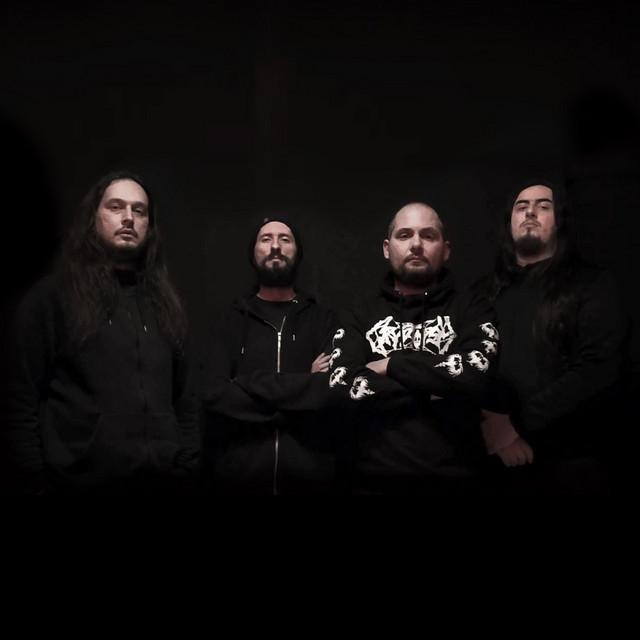
Profanity’s Spotify BioSince 1993, the underground is shaking under the sounds of Profanity. The German tech death four-piece set a heavy mark with their albums “Shadows To Fall” (1997) and “Slaughtering Thoughts” (2000) as well as their tour in support of Cryptopsy in 2002 and their appearance at the Maryland Death Fest 2004 alongside Misery Index and Exhumed.
After some years of silence, the band spew out a new sign of live with their EP “Hatred Hell Within” in December of 2014.
On April 21st, 2017 “The Art of Sickness” was released by Apostasy records.
On December 4th, 2020, Profanity released a new full-length: “Fragments of Solace”.
For this release the band invited again guests like Terrance Hobbs (Suffocation), Matt Sotelo (Decrepit Birth), Dave Suzuki (ex-Vital Remains, Churchburn), Dima Orlov (Fetal Decay) as well as their ex-bassist Martl Bauer. “Fragments of Solace” was mixed and mastered by Lukas Haidinger in his Deep Deep Pressure studios. The artwork was done by Federico Musetti.
PROFANITY is an… underground band that enjoys sharing the spirit of the underground with other bands and friends around the world. Over the years, the band has played a lot of shows with great bands like Cannibal Corpse, Suffocation, Sinister, Vader, Cryptopsy, Misery Index, Necrophagist, Broken Hope, Defeated Sanity and many more and festivals like FTC, PartySan, MOD, Obscene Extreme, Maryland Deathfest, Netherlands Deathfest, Deathfeast open air etc.
Viberate is a music analytics platform built for A&Rs, artist managers, labels, booking agents, marketers, and artists.
It helps music professionals track artist growth, analyze audience data, monitor playlist activity, compare artists, follow song performance, and identify opportunities across the music market.
Public artist pages provide a free preview of selected artist data. Paid plans provide access to deeper analytics, historical data, charts, comparisons, playlist tools, exports, alerts, reports, and additional professional features.
Yes. Public Viberate artist pages provide selected artist analytics and music data for free.
Viberate also offers a 7-day free trial of the full platform. A credit card is required to start the trial. The trial includes access to the complete product so users can test deeper artist analytics, historical views, playlist insights, comparisons, charts, exports, alerts, and reporting features before choosing a paid plan.
Viberate provides artist analytics across streaming, playlists, social media, video, radio airplay, songs, and audience markets.
Users can analyze Spotify performance, Spotify and Apple Music playlists, YouTube activity, TikTok and Instagram growth, radio spins, song performance, audience locations, demographics, rankings, and overall artist momentum.
Artist profiles also connect to music charts, similar artists, and comparison tools, helping users benchmark performance and evaluate artists in context.
Viberate updates key artist and track data daily.
For followed artists and tracks, selected data is refreshed multiple times per day. This helps teams monitor playlist changes, streaming movement, audience growth, releases, and campaign performance with more current data.
Update frequency can vary depending on the metric and data source.
Yes. Viberate lets users compare up to five artists side by side across streaming, social media, audience, and engagement metrics.
Users can compare fanbase growth, audience demographics, locations, Spotify performance, social metrics, and other artist data over selected time periods.
Artist comparison can be used for A&R scouting, benchmarking, booking decisions, campaign planning, and evaluating artists with similar audiences or market positions.