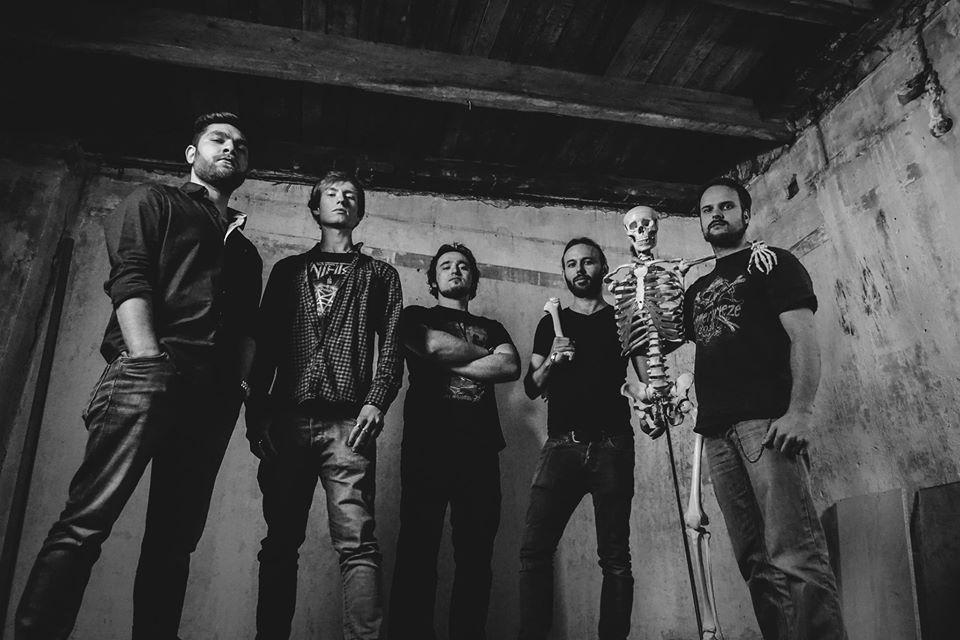
Profane Sanctum

Metal
Death Metal
Groove Metal
 Viberate Rank: 437400
 Viberate Rank: 437400
 Monthly ListenersFollowers
 Subscribers
 Followers
 Followers
 FansTop Spotify Songs
| Track | 7-Day Streams | |
|---|---|---|
1 | 97 | |
2 | 25 | |
3 | 18 | |
4 | 8 | |
5 | 6 |
Top YouTube VideosMonthly ListenersFeatured in Playlists| Playlist | Followers | |
|---|---|---|
1 |  Best Of Punk / Alternative / Metal Tobi Wesner | 10.37K |
2 | Angry Metal Eddie Söderqvist | 7.16K |
3 |  Tropical House Experience QuietGod | 6.53K |
4 |  Heavy Workout Metal and Hardrock Camiel Kroesbergen | 4.67K |
5 | Rock Radar 2020 nickmavromatis | 2.49K |
Audience| City | Monthly Listeners | |
|---|---|---|
1 |  | 32 |
2 | | 9 |
3 | | 7 |
4 |  | 6 |
5 |  | 6 |
See full performance history, audience data, playlist activity, rankings, comparisons, and more in Viberate music analytics. Start with a free trial, then continue with a paid plan.
Profane Sanctum’s Spotify BioHailing from Berlin, Profane Sanctum writes their music around societal issues and forces awareness towards humanity's inequality and injustices. Founded by in February 2015 by a group of strangers who met over the internet but connected through music, they started out mostly playing live shows. Having gained stage experience and friendship between them, Profane Sanctum released their first EP in 2018. Their EP, Doomsday, consisted of groovy and melodic death metal, with lyrics critical of society. After a switch in lead guitar from Alex to Cedric, Profane Sanctum matured their sound and recorded and released their first full-length album, Voice of the Oppressed, in 2019. The album has influences ranging from viking metal to trash metal, drawing from In Flames to more modern metal/deathcore bands. Heavy, groovy, and catchy riffs as well as melodic, thrashy, and progressive parts which are supported by crushing drums and aggressive growls converge to create their unique sound. Vocalist… Harshit left after the album's release and was replaced by Andy, opening up a new chapter in the continuing story of Profane Sanctum. Some time thereafter, Cedric was replaced by Matze. Shortly thereafter, Profane Sanctum set the stage on fire yet again. We are both excited and ambitious to see what the future holds for all of us!
Viberate is a music analytics platform built for A&Rs, artist managers, labels, booking agents, marketers, and artists.
It helps music professionals track artist growth, analyze audience data, monitor playlist activity, compare artists, follow song performance, and identify opportunities across the music market.
Public artist pages provide a free preview of selected artist data. Paid plans provide access to deeper analytics, historical data, charts, comparisons, playlist tools, exports, alerts, reports, and additional professional features.
Yes. Public Viberate artist pages provide selected artist analytics and music data for free.
Viberate also offers a 7-day free trial of the full platform. A credit card is required to start the trial. The trial includes access to the complete product so users can test deeper artist analytics, historical views, playlist insights, comparisons, charts, exports, alerts, and reporting features before choosing a paid plan.
Viberate provides artist analytics across streaming, playlists, social media, video, radio airplay, songs, and audience markets.
Users can analyze Spotify performance, Spotify and Apple Music playlists, YouTube activity, TikTok and Instagram growth, radio spins, song performance, audience locations, demographics, rankings, and overall artist momentum.
Artist profiles also connect to music charts, similar artists, and comparison tools, helping users benchmark performance and evaluate artists in context.
Viberate updates key artist and track data daily.
For followed artists and tracks, selected data is refreshed multiple times per day. This helps teams monitor playlist changes, streaming movement, audience growth, releases, and campaign performance with more current data.
Update frequency can vary depending on the metric and data source.
Yes. Viberate lets users compare up to five artists side by side across streaming, social media, audience, and engagement metrics.
Users can compare fanbase growth, audience demographics, locations, Spotify performance, social metrics, and other artist data over selected time periods.
Artist comparison can be used for A&R scouting, benchmarking, booking decisions, campaign planning, and evaluating artists with similar audiences or market positions.