Problem

Hip Hop
Contemporary Hip Hop
Alternative Hip Hop
 Viberate Rank: 15609
 Viberate Rank: 15609
 Monthly ListenersFollowers
 Subscribers
 Followers
 Followers
 FansTop Spotify Songs
| Track | 7-Day Streams | |
|---|---|---|
1 | 175.28K | |
2 | 132.78K | |
3 | 111.53K | |
4 | 43.34K | |
5 | 32.23K |
Top YouTube VideosMonthly ListenersFeatured in Playlists| Playlist | Followers | |
|---|---|---|
1 |  Westside Spotify | 751.01K |
2 |  Beats & Rhymes Spotify | 457.82K |
3 |  66 GREENE _BY.ALEXANDER | 395.13K |
4 |  Radio Los Santos (GTAV) Rockstar Games | 162.07K |
5 |  rap songs that hit harder than North Koreas nuke nathankayanirad | 151.22K |
Audience| City | Monthly Listeners | |
|---|---|---|
1 | | 18.25K |
2 | | 8.90K |
3 | | 7.58K |
4 | | 5.60K |
5 | | 5.32K |
See full performance history, audience data, playlist activity, rankings, comparisons, and more in Viberate music analytics. Start with a free trial, then continue with a paid plan.
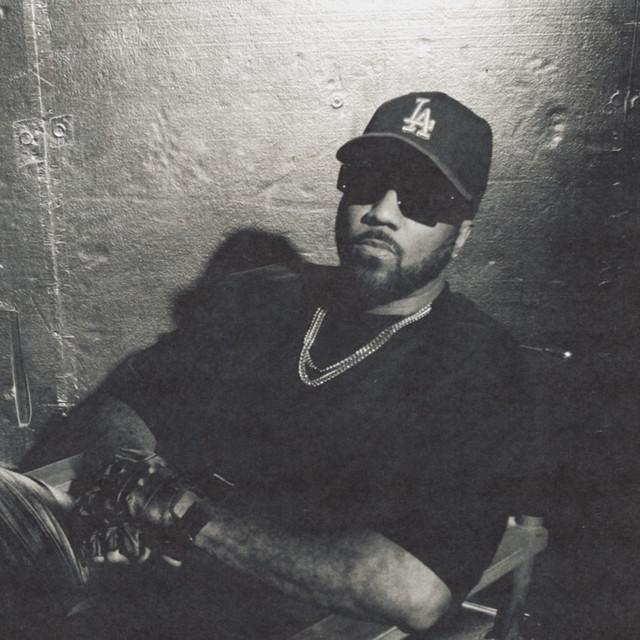
Problem’s Spotify BioHead of the Diamond Lane Music Group, West Coast rapper Problem went from the underground to radio mix show favorite with his 2013 hit "Like Whaaat." Issuing mixtapes from his debut in the late 2000s into the late 2010s, he made the leap to the mainstream in 2017 with his first official studio effort, Selfish. He quickly followed with 2018's S2 before kicking off the 2020s in a big way with a pair of full-lengths, Coffee & Kush, Vol. 1 and 2.
Born Jason Martin in Germany but raised in Compton, Problem took his name from sports, giving other players "problems" on the basketball court. When it came to music, he got his start behind the scenes, writing music for and with Snoop Dogg, Daz Dillinger, Terrace Martin, and DJ Quik beginning in 2007. A year later he formed Diamond Lane Music and signed with a major, as the title to that year's mixtape, Deal or No Deal 2: Universal Cut the Check, suggested; however, two singles later, he was off the label and back on his own. Work with Snoop, Wiz… Khalifa, Iggy Azalea, Freddie Gibbs, and others bridged the years until 2012, when his appearance on E-40's hit single "Function" introduced him to the mainstream and drove new fans to that year's mixtapes, Welcome to Mollywood, Pts. 1-2.
The year 2013 kicked off with a flurry of activity as three Problem mixtapes -- Million Dollar Afro, Ain't Nobody Hotter Than Me, and The Separation -- all landed before July, but the last one featured "Like Whaaat," a street single that grew into a viral hit. The track got an official release when Problem's debut EP, Understand Me, appeared on Diamond Lane before the end of 2013. A third entry in the Mollywood series arrived in 2015. The Relapse included over 40 tracks across two discs and appearances by Lil Jon, Iamsu!, Omarion, Stoney tha Dealer, and Bad Lucc. Hotels 2: The Master Suite followed in 2016. The mixtape featured Wiz Khalifa, Ty Dolla $ign, Ne-Yo, Snoop Dogg, and Kevin McCall. In 2017, Problem issued a slew of releases, starting with the Rosecrans EP, a collaborative effort with DJ Quik. The MC then released the self-produced mixtape Chachiville before unveiling his official studio full-length debut, Selfish, which featured appearances by Nipsey Hussle, Iamsu, Ne-Yo, and Bad Lucc. S2 landed the year later.
2020 proved to be a busy year for the emcee. In addition to the short film release A Compton Story he also issued two albums, Coffee & Kush, Vol. 1 and Vol. 2. The latter installment boasted appearances by Tyrese, Jack Harlow, Jay Rock, Freddie Gibbs, Snoop Dogg, and more. ~ David Jeffries, Rovi
Viberate is a music analytics platform built for A&Rs, artist managers, labels, booking agents, marketers, and artists.
It helps music professionals track artist growth, analyze audience data, monitor playlist activity, compare artists, follow song performance, and identify opportunities across the music market.
Public artist pages provide a free preview of selected artist data. Paid plans provide access to deeper analytics, historical data, charts, comparisons, playlist tools, exports, alerts, reports, and additional professional features.
Yes. Public Viberate artist pages provide selected artist analytics and music data for free.
Viberate also offers a 7-day free trial of the full platform. A credit card is required to start the trial. The trial includes access to the complete product so users can test deeper artist analytics, historical views, playlist insights, comparisons, charts, exports, alerts, and reporting features before choosing a paid plan.
Viberate provides artist analytics across streaming, playlists, social media, video, radio airplay, songs, and audience markets.
Users can analyze Spotify performance, Spotify and Apple Music playlists, YouTube activity, TikTok and Instagram growth, radio spins, song performance, audience locations, demographics, rankings, and overall artist momentum.
Artist profiles also connect to music charts, similar artists, and comparison tools, helping users benchmark performance and evaluate artists in context.
Viberate updates key artist and track data daily.
For followed artists and tracks, selected data is refreshed multiple times per day. This helps teams monitor playlist changes, streaming movement, audience growth, releases, and campaign performance with more current data.
Update frequency can vary depending on the metric and data source.
Yes. Viberate lets users compare up to five artists side by side across streaming, social media, audience, and engagement metrics.
Users can compare fanbase growth, audience demographics, locations, Spotify performance, social metrics, and other artist data over selected time periods.
Artist comparison can be used for A&R scouting, benchmarking, booking decisions, campaign planning, and evaluating artists with similar audiences or market positions.