Prime STH

Rock
Alternative Rock
 Viberate Rank: 524061
 Viberate Rank: 524061
 Monthly ListenersFollowers
 Subscribers
 Followers
 Followers
 FansTop Spotify Songs
| Track | 7-Day Streams | |
|---|---|---|
1 | 333 | |
2 | 104 | |
3 | 42 | |
4 | 41 | |
5 | 37 |
Top YouTube Videos| Video | 7-Day Views | |
|---|---|---|
1 | 103 | |
2 | 96 | |
3 | 11 | |
4 | 4 |
Monthly ListenersFeatured in Playlists| Playlist | Followers | |
|---|---|---|
1 | Grunge is Dead Ozcar Storm | 11.54K |
2 |  Max Martin - Complete Discography Julian Thomas | 10.65K |
3 | '90s & Early '00s Rock Anthony Garcia | 7.10K |
4 |  Bitter Sweet Symphony Gustaf Holmqvist Jäderberg | 5.61K |
5 | Modern Rock burrjt | 3.00K |
Audience| City | Monthly Listeners | |
|---|---|---|
1 | | 54 |
2 |  | 25 |
3 | | 21 |
4 |  | 20 |
5 | | 16 |
See full performance history, audience data, playlist activity, rankings, comparisons, and more in Viberate music analytics. Start with a free trial, then continue with a paid plan.
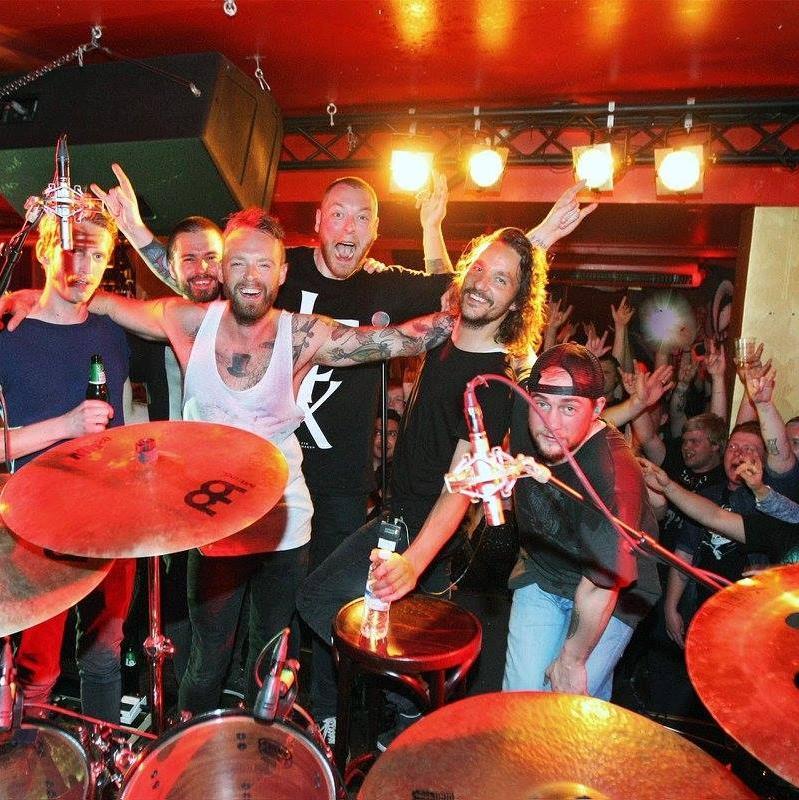
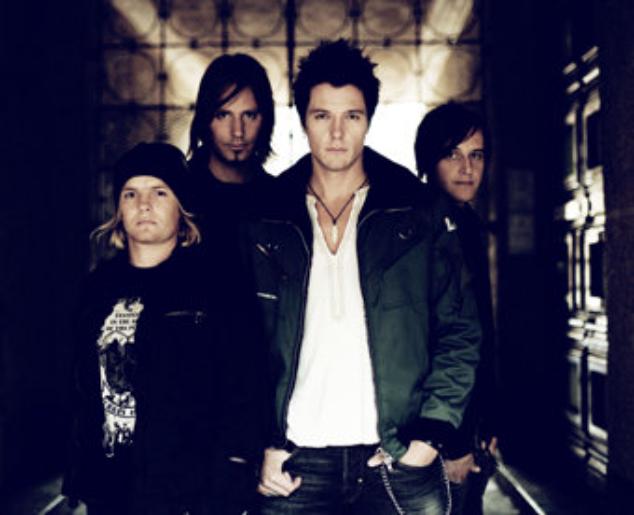
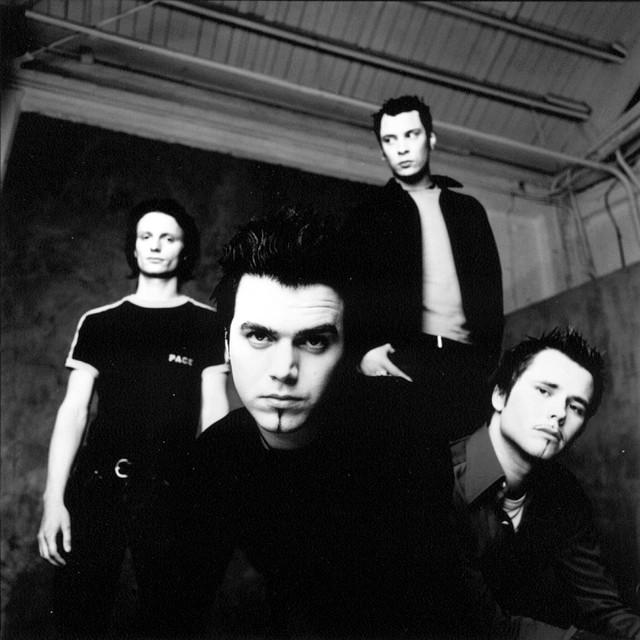
Prime STH’s Spotify BioThe late '90s saw a slew of modern acts surface that were aimed at more "mature" listeners (Everclear, Our Lady Peace, Live, etc.), and Sweden's Prime STH is a carrier of the torch. Comprised of chaps who go only by single names and/or initials -- NOA (vocals/guitars), Martin (guitar), JSPR (bass), and Kaz drums) -- the band originally came together when the members were still in their teens. 1994 saw the release of a band-issued four-track EP, which landed them a deal with a small local record label. Unfortunately, the label went out of business after Prime STH had completed six tracks, which tied the fledgling group up in litigation until 1998. The quartet continued to play live, building a substantial following (and opening local shows/festivals for Faith No More and Rage Against the Machine), before Reprise Records stepped in and signed the band, resulting in their 2001 debut, Underneath the Surface. ~ Greg Prato, Rovi
Viberate is a music analytics platform built for A&Rs, artist managers, labels, booking agents, marketers, and artists.
It helps music professionals track artist growth, analyze audience data, monitor playlist activity, compare artists, follow song performance, and identify opportunities across the music market.
Public artist pages provide a free preview of selected artist data. Paid plans provide access to deeper analytics, historical data, charts, comparisons, playlist tools, exports, alerts, reports, and additional professional features.
Yes. Public Viberate artist pages provide selected artist analytics and music data for free.
Viberate also offers a 7-day free trial of the full platform. A credit card is required to start the trial. The trial includes access to the complete product so users can test deeper artist analytics, historical views, playlist insights, comparisons, charts, exports, alerts, and reporting features before choosing a paid plan.
Viberate provides artist analytics across streaming, playlists, social media, video, radio airplay, songs, and audience markets.
Users can analyze Spotify performance, Spotify and Apple Music playlists, YouTube activity, TikTok and Instagram growth, radio spins, song performance, audience locations, demographics, rankings, and overall artist momentum.
Artist profiles also connect to music charts, similar artists, and comparison tools, helping users benchmark performance and evaluate artists in context.
Viberate updates key artist and track data daily.
For followed artists and tracks, selected data is refreshed multiple times per day. This helps teams monitor playlist changes, streaming movement, audience growth, releases, and campaign performance with more current data.
Update frequency can vary depending on the metric and data source.
Yes. Viberate lets users compare up to five artists side by side across streaming, social media, audience, and engagement metrics.
Users can compare fanbase growth, audience demographics, locations, Spotify performance, social metrics, and other artist data over selected time periods.
Artist comparison can be used for A&R scouting, benchmarking, booking decisions, campaign planning, and evaluating artists with similar audiences or market positions.