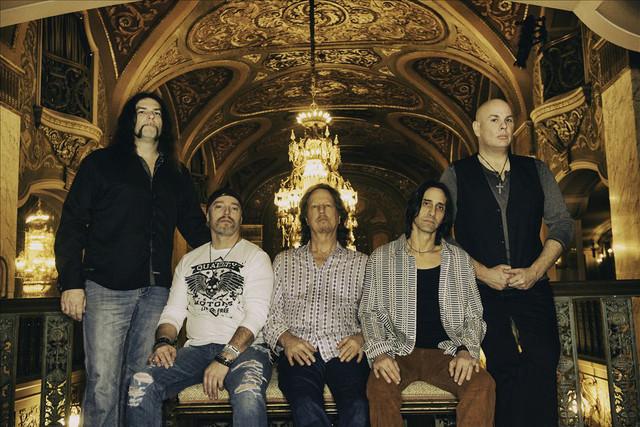
Presto Ballet

Rock
Progressive Rock
 Viberate Rank: 363014
 Viberate Rank: 363014
 Monthly ListenersFollowers
 Subscribers
 Followers
 Followers
 FansTop Spotify Songs
| Track | 7-Day Streams | |
|---|---|---|
1 | 25 | |
2 | 16 | |
3 | 16 | |
4 | 15 | |
5 | 14 |
Top YouTube VideosMonthly ListenersFeatured in Playlists| Playlist | Followers | |
|---|---|---|
1 |  The Sound of Neo-Progressive The Sounds of Spotify | 1.95K |
2 |  The best of Progressive Rock José Do Carmo Cunha | 1.00K |
Audience| City | Monthly Listeners | |
|---|---|---|
1 |  | 5 |
2 | | 4 |
3 | | 4 |
4 |  | 4 |
5 |  | 4 |
See full performance history, audience data, playlist activity, rankings, comparisons, and more in Viberate music analytics. Start with a free trial, then continue with a paid plan.
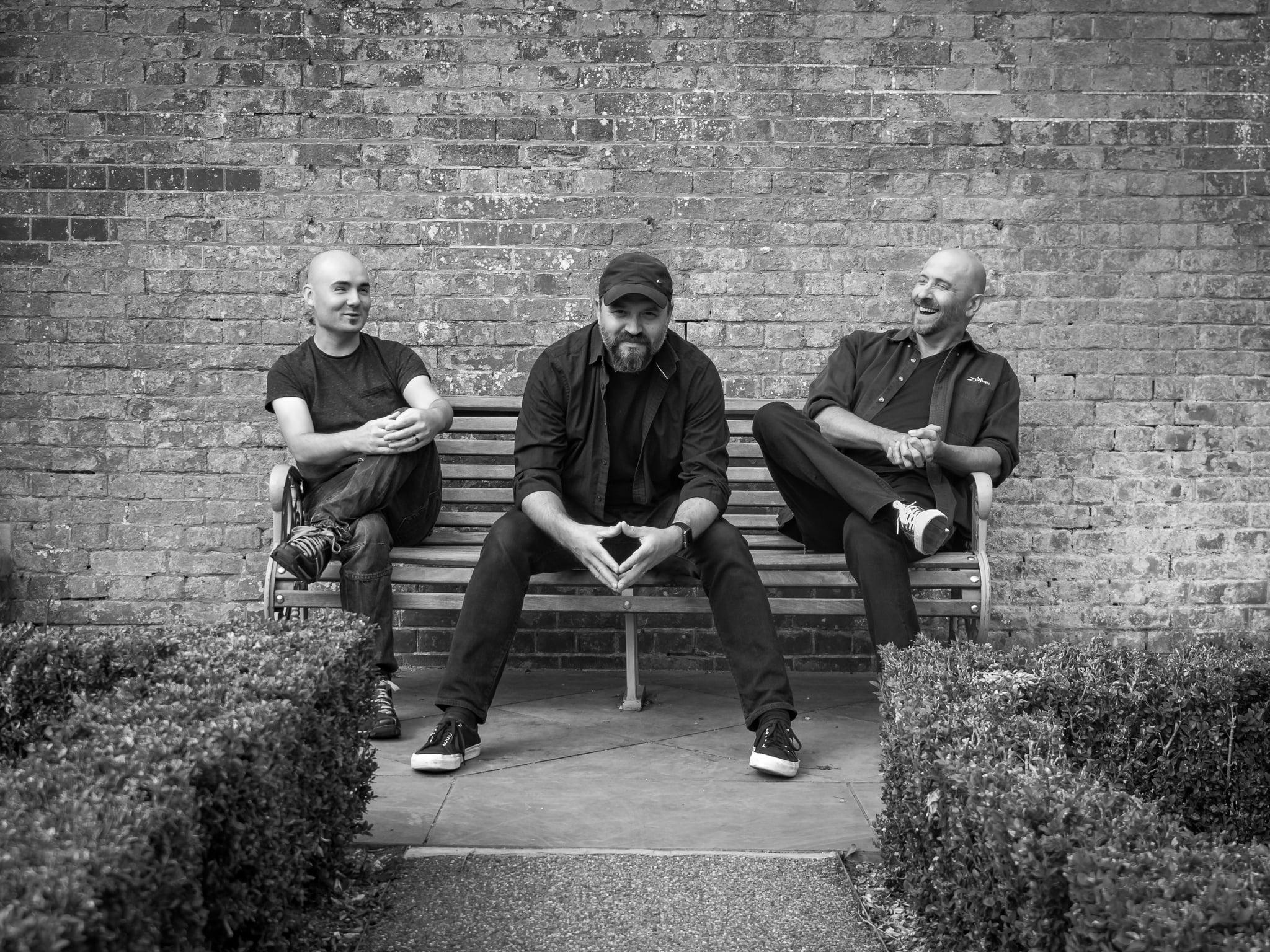
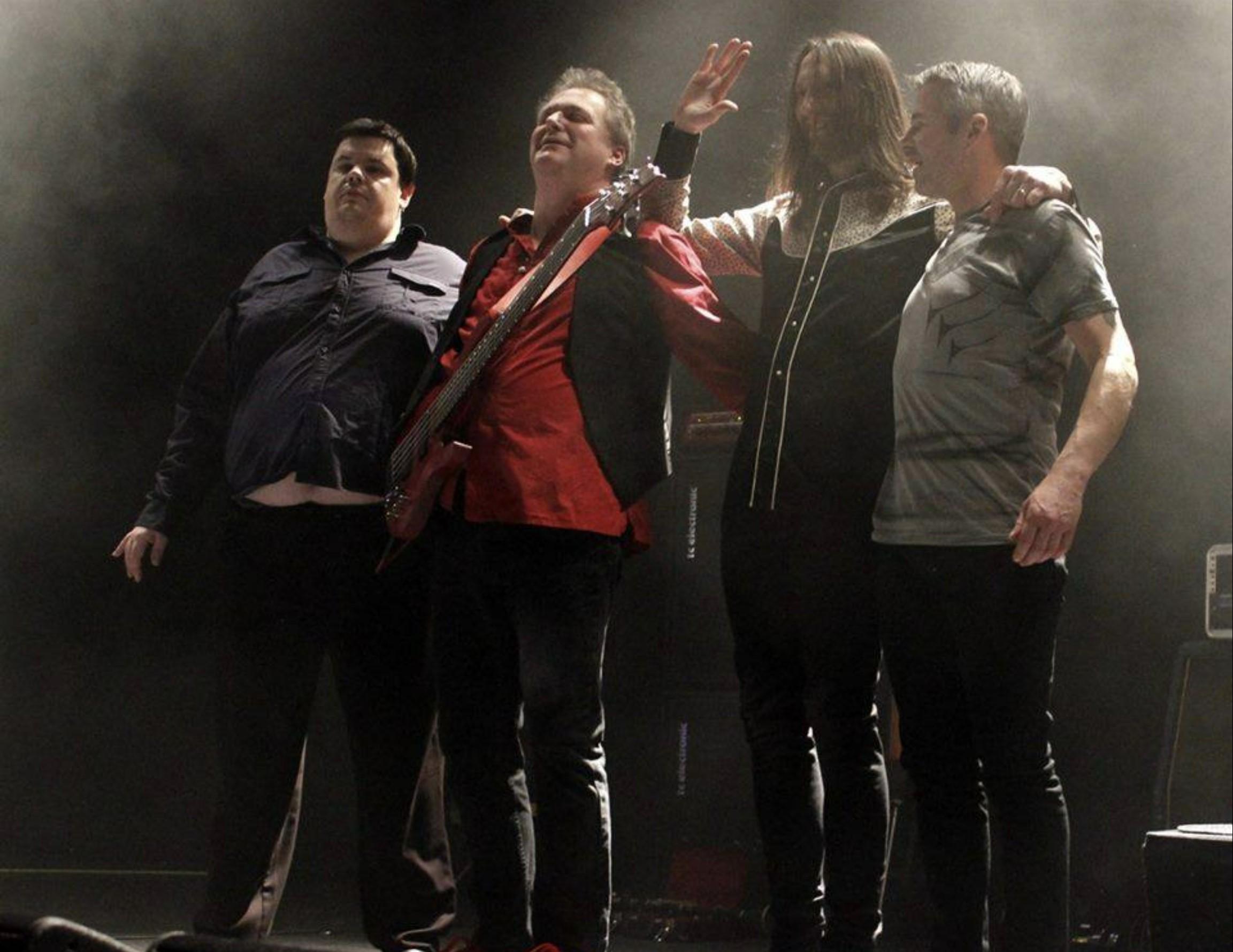
Presto Ballet’s Spotify BioThe brainchild of Metal Church guitarist Kurdt Vanderhoof, Presto Ballet walks a musical tightrope between two sound worlds: The melodic hard rock of the late 1970s and 21st century progressive metal. On-again and off-again with a nearly constantly changing line-up -- depending on Vanderhoof's busy schedule with his main band and his related side project Druid, Presto Ballet's 2005 keyboard-drenched debut album, Peace Among the Ruins, was a dramatic collision of melody and force that drew rave reviews and favorable comparisons to the music of early Kansas, Symphony X, Yes, Rush, Boston, Dream Theater, and the Flower Kings. Since then, they've doubled down, weaving an aggressive balance between crunchy, fleet-fingered guitar rock, hooky soaring, multi-part vocal harmonies, and sweeping theatrical organ, synth, and Mellotron interludes, as evidenced by 2012's landmark Relic of the Modern World.
Vanderhoof founded the group in the fall of 2004 in his hometown of Aberdeen, Washington, while… Metal Church were on a brief hiatus. He enlisted Brian Cokeley as lead vocalist (who'd played in Vanderhoof, another of his side projects, in the late '90s and early aughts. Other original members included guitarist Scott Albright, drummer Jeff Wade, and bassist Brian Lake. Vanderhoof and Cokeley handled keyboard duties. The band signed to Inside Out at the end of 2004 and began recording Peace Among the Ruins, which was issued in June 2005 to general praise. Critics celebrated Vanderhoof's production for the album's warm, organic sound, achieved by recording on analog tape using vintage guitars and synths. Touring in support, the band won an immediate audience among Metal Church fans and played a slew of festival dates over the next couple of years, with the line-up in near constant flux. By the time they released their sophomore album, 2008's The Lost Art of Time Travel on Prog Rock Records, the band featured an almost entirely new roster with Albright as lead vocalist. Interestingly, the sound was even more retro, landing between the aggressive harmonic hard rock of Deep Purple -- as developed by its keyboardist Jon Lord -- and Mick Box's Uriah Heep with the multi-tracked choral vocal harmony approach of American groups like Styx and Kansas. For 2011's Invisible Places, Vanderhoof recruited former Metal Church vocalist Ronny Munroe, keyboardist Kerry Shacklett, bassist Bobby Ferkovich, and drummer Henry Elwood. The approach was decidedly organ-centric but resonated with metal fans as well. The support tour won the band a new legion of fans. Reception was so positive that upon returning from touring, Vanderhoof immediately re-entered the studio with two line-up changes: Munroe left (amicably) and was replaced by Chuck Campbell on lead vocals, and Elwood ceded the drum chair to Larry Crowe. The finished album, Relic of the Modern World, was issued in February of 2012. Its highlight -- and the cut that won them the most acclaim for the album -- was its 20-minute title track, an eight-part suite that closed the set. After another tour, Vanderhoof submerged himself in Metal Church and other activities for five years, finally reconvening the band for a tour in late 2017 and early 2018 before entering the studio, this time with new drummer Charlie Lorme. In December, the band issued The Days Between to general acclaim; it married '60s and early-'70s rock tropes (loads of twin lead guitars) to modern neo-prog (à la Spock's Beard) with Shacklett and Vanderhoof crafting an utterly balanced attack that displayed angular prog hooks atop layers of catchy melodies and lush vocal harmonies. ~ Thom Jurek, Rovi
Viberate is a music analytics platform built for A&Rs, artist managers, labels, booking agents, marketers, and artists.
It helps music professionals track artist growth, analyze audience data, monitor playlist activity, compare artists, follow song performance, and identify opportunities across the music market.
Public artist pages provide a free preview of selected artist data. Paid plans provide access to deeper analytics, historical data, charts, comparisons, playlist tools, exports, alerts, reports, and additional professional features.
Yes. Public Viberate artist pages provide selected artist analytics and music data for free.
Viberate also offers a 7-day free trial of the full platform. A credit card is required to start the trial. The trial includes access to the complete product so users can test deeper artist analytics, historical views, playlist insights, comparisons, charts, exports, alerts, and reporting features before choosing a paid plan.
Viberate provides artist analytics across streaming, playlists, social media, video, radio airplay, songs, and audience markets.
Users can analyze Spotify performance, Spotify and Apple Music playlists, YouTube activity, TikTok and Instagram growth, radio spins, song performance, audience locations, demographics, rankings, and overall artist momentum.
Artist profiles also connect to music charts, similar artists, and comparison tools, helping users benchmark performance and evaluate artists in context.
Viberate updates key artist and track data daily.
For followed artists and tracks, selected data is refreshed multiple times per day. This helps teams monitor playlist changes, streaming movement, audience growth, releases, and campaign performance with more current data.
Update frequency can vary depending on the metric and data source.
Yes. Viberate lets users compare up to five artists side by side across streaming, social media, audience, and engagement metrics.
Users can compare fanbase growth, audience demographics, locations, Spotify performance, social metrics, and other artist data over selected time periods.
Artist comparison can be used for A&R scouting, benchmarking, booking decisions, campaign planning, and evaluating artists with similar audiences or market positions.