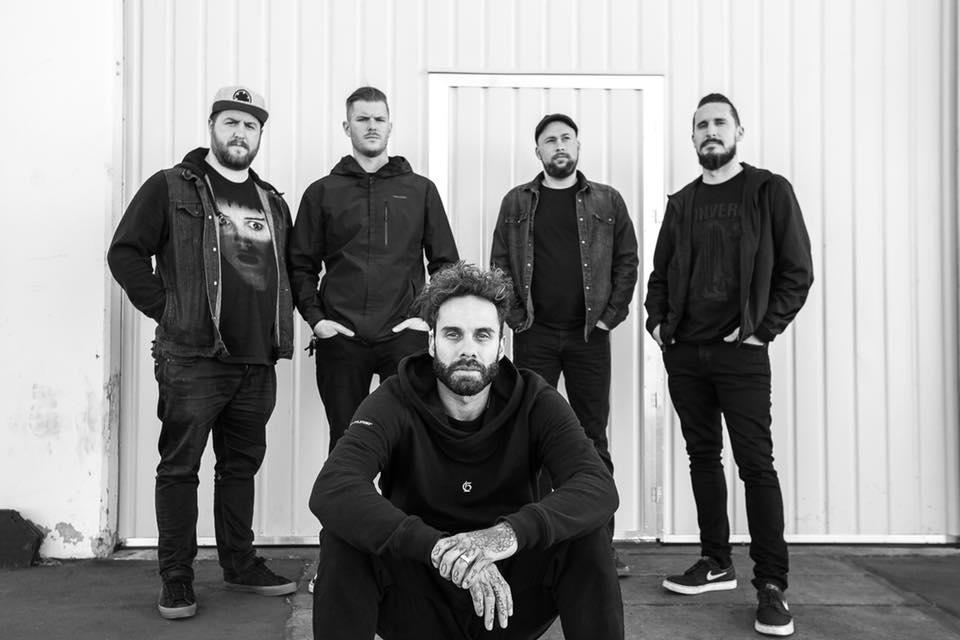
PRESSURE CRACKS

Punk
Hardcore Punk
Hardstyle/Hardcore
 Viberate Rank: 289783
 Viberate Rank: 289783
 Monthly ListenersFollowers
 Subscribers
 Followers
 Followers
 FansTop Spotify Songs
| Track | 7-Day Streams | |
|---|---|---|
1 | 518 | |
2 | 276 | |
3 | 162 | |
4 | 159 | |
5 | 94 |
Top YouTube VideosMonthly ListenersFeatured in Playlists| Playlist | Followers | |
|---|---|---|
1 |  RawrXD Trashxm0uth | 6.43K |
2 |  hxc playlist Quinton | 6.25K |
3 |  dvpamine v. | 3.95K |
4 |  black & brown people in punk | 2026 Hansel Romero | 3.26K |
5 |  RABM + Alerta Antifascista Records - Red & Anarchist Black Metal + More Sean | 3.10K |
Audience| City | Monthly Listeners | |
|---|---|---|
1 | | 38 |
2 | | 37 |
3 | | 36 |
4 |  | 32 |
5 | | 32 |
See full performance history, audience data, playlist activity, rankings, comparisons, and more in Viberate music analytics. Start with a free trial, then continue with a paid plan.
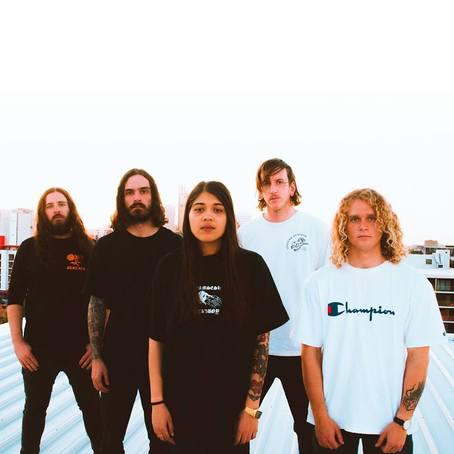
PRESSURE CRACKS’ Spotify BioSouthern California has been known to produce some of the most ferocious bands hardcore has seen, and Pressure Cracks upholds that standard with their own unique blend of heavy dissonance and straight-forward punk rock. Formed in 2017 by longtime friends Jason Butler (vocals), Bill Galvin (drums), Ryan Doria (bass), Kevin Fifield (guitar), and Dan Bieranowski (guitar), Pressure Cracks is the culmination of years of touring and playing music all over the world. May 2018 saw the release of the band’s self-titled EP which found its way onto many ‘top-of-the-year’ lists, summed up best by Dead Press’ review stating “This is four tracks of absolute mayhem.” Influences like Turmoil, Botch, and Every Time I Die shine through creating a unique blend of early 2000’s and modern metalcore, creating something new but familiar, and undeniably heavy.
Viberate is a music analytics platform built for A&Rs, artist managers, labels, booking agents, marketers, and artists.
It helps music professionals track artist growth, analyze audience data, monitor playlist activity, compare artists, follow song performance, and identify opportunities across the music market.
Public artist pages provide a free preview of selected artist data. Paid plans provide access to deeper analytics, historical data, charts, comparisons, playlist tools, exports, alerts, reports, and additional professional features.
Yes. Public Viberate artist pages provide selected artist analytics and music data for free.
Viberate also offers a 7-day free trial of the full platform. A credit card is required to start the trial. The trial includes access to the complete product so users can test deeper artist analytics, historical views, playlist insights, comparisons, charts, exports, alerts, and reporting features before choosing a paid plan.
Viberate provides artist analytics across streaming, playlists, social media, video, radio airplay, songs, and audience markets.
Users can analyze Spotify performance, Spotify and Apple Music playlists, YouTube activity, TikTok and Instagram growth, radio spins, song performance, audience locations, demographics, rankings, and overall artist momentum.
Artist profiles also connect to music charts, similar artists, and comparison tools, helping users benchmark performance and evaluate artists in context.
Viberate updates key artist and track data daily.
For followed artists and tracks, selected data is refreshed multiple times per day. This helps teams monitor playlist changes, streaming movement, audience growth, releases, and campaign performance with more current data.
Update frequency can vary depending on the metric and data source.
Yes. Viberate lets users compare up to five artists side by side across streaming, social media, audience, and engagement metrics.
Users can compare fanbase growth, audience demographics, locations, Spotify performance, social metrics, and other artist data over selected time periods.
Artist comparison can be used for A&R scouting, benchmarking, booking decisions, campaign planning, and evaluating artists with similar audiences or market positions.