Preacher Boy

Blues
Contemporary Blues
Americana/Alt Country
 Viberate Rank: 359680
 Viberate Rank: 359680
 Monthly ListenersFollowers
 Subscribers
 Followers
 Followers
 FansTop Spotify Songs
| Track | 7-Day Streams | |
|---|---|---|
1 | 708 | |
2 | 19 | |
3 | 18 | |
4 | 12 | |
5 | 12 |
Top YouTube VideosMonthly ListenersFeatured in Playlists| Playlist | Followers | |
|---|---|---|
1 |  Acoustic Blues Spotify | 873.88K |
2 |  Texas Rock & Blues Fabio Henrique | 6.49K |
3 |  BAD ASS Blues 🕶 Johan Dahlkvist | 3.66K |
4 | meu Playlist Julio Cruz | 1.85K |
5 |  Swamp Rock White Locust Records | 1.52K |
Audience| City | Monthly Listeners | |
|---|---|---|
1 |  | 44 |
2 |  | 29 |
3 | | 28 |
4 | | 23 |
5 |  | 17 |
See full performance history, audience data, playlist activity, rankings, comparisons, and more in Viberate music analytics. Start with a free trial, then continue with a paid plan.
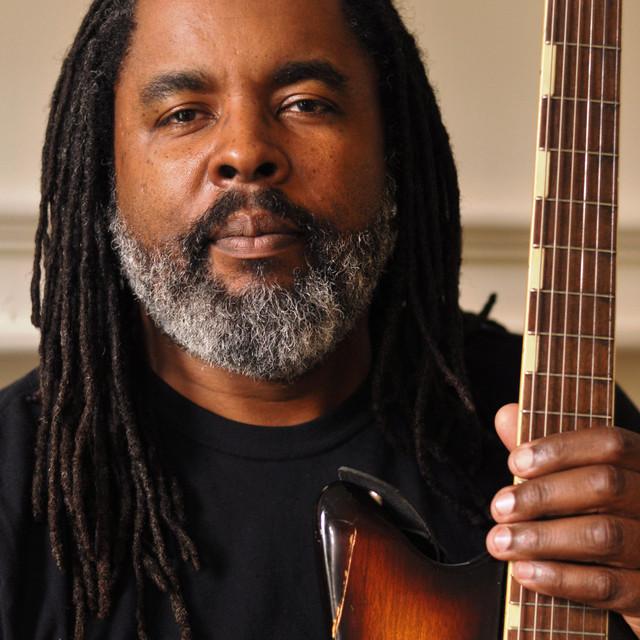
Preacher Boy’s Spotify BioPreacher Boy mines the dark edges of Contemporary Blues and Americana with his signature raspy voice, virtuoso National slide guitar playing, and richly poetic lyrics.
From his genre-bending debut on Blind Pig Records to Ghost Notes, his new album on Coast Road Records, this relentlessly pioneering artist continues to both honor and extend the country blues traditions that inspire him. Preacher Boy helped create and define “alternative blues” as a genre that also spawned artists ranging from Chris Whitley and Alvin Youngblood Hart to the Jon Spencer Blues Explosion and G. Love. Faster and Louder has called him “the godfather of alt blues.”
Of hIs boot-pounding live performances, The Good Times had this to say: “As he beats his long leather boot, four to the floor, his National steel guitar slides and spits a devious storm of gothic Americana and gritty country blues.” Melody Maker described his sound as: “Country blues that marry Nick Cave, Robert Johnson, Woody Guthrie and Tom Waits,”… and legendary music publication MOJO declared that, “Preacher Boy is a songwriter of startling originality.”
Viberate is a music analytics platform built for A&Rs, artist managers, labels, booking agents, marketers, and artists.
It helps music professionals track artist growth, analyze audience data, monitor playlist activity, compare artists, follow song performance, and identify opportunities across the music market.
Public artist pages provide a free preview of selected artist data. Paid plans provide access to deeper analytics, historical data, charts, comparisons, playlist tools, exports, alerts, reports, and additional professional features.
Yes. Public Viberate artist pages provide selected artist analytics and music data for free.
Viberate also offers a 7-day free trial of the full platform. A credit card is required to start the trial. The trial includes access to the complete product so users can test deeper artist analytics, historical views, playlist insights, comparisons, charts, exports, alerts, and reporting features before choosing a paid plan.
Viberate provides artist analytics across streaming, playlists, social media, video, radio airplay, songs, and audience markets.
Users can analyze Spotify performance, Spotify and Apple Music playlists, YouTube activity, TikTok and Instagram growth, radio spins, song performance, audience locations, demographics, rankings, and overall artist momentum.
Artist profiles also connect to music charts, similar artists, and comparison tools, helping users benchmark performance and evaluate artists in context.
Viberate updates key artist and track data daily.
For followed artists and tracks, selected data is refreshed multiple times per day. This helps teams monitor playlist changes, streaming movement, audience growth, releases, and campaign performance with more current data.
Update frequency can vary depending on the metric and data source.
Yes. Viberate lets users compare up to five artists side by side across streaming, social media, audience, and engagement metrics.
Users can compare fanbase growth, audience demographics, locations, Spotify performance, social metrics, and other artist data over selected time periods.
Artist comparison can be used for A&R scouting, benchmarking, booking decisions, campaign planning, and evaluating artists with similar audiences or market positions.