Posthum

Metal
Black Metal
 Viberate Rank: 524160
 Viberate Rank: 524160
 Monthly ListenersFollowers
 Subscribers
 Followers
 Followers
 FansTop Spotify Songs
| Track | 7-Day Streams | |
|---|---|---|
1 | 26 | |
2 | 20 | |
3 | 18 | |
4 | 14 | |
5 | 14 |
Top YouTube VideosMonthly ListenersFeatured in Playlists| Playlist | Followers | |
|---|---|---|
1 | Raw Black Metal Mike Beliveau | 9.25K |
2 |  Useless | 4.24K |
3 |  BLACKMETAL DSBM badyushka🕷️🩸 | 3.61K |
4 |  Black/Death/Trash Metal Leeloki | 2.69K |
5 |  NORDIC BLACK METAL Úlfr Borgr Rauðeiriksson | 1.30K |
Audience| City | Monthly Listeners | |
|---|---|---|
1 | | 19 |
2 |  | 6 |
3 |  | 6 |
4 |  | 5 |
5 |  | 5 |
See full performance history, audience data, playlist activity, rankings, comparisons, and more in Viberate music analytics. Start with a free trial, then continue with a paid plan.
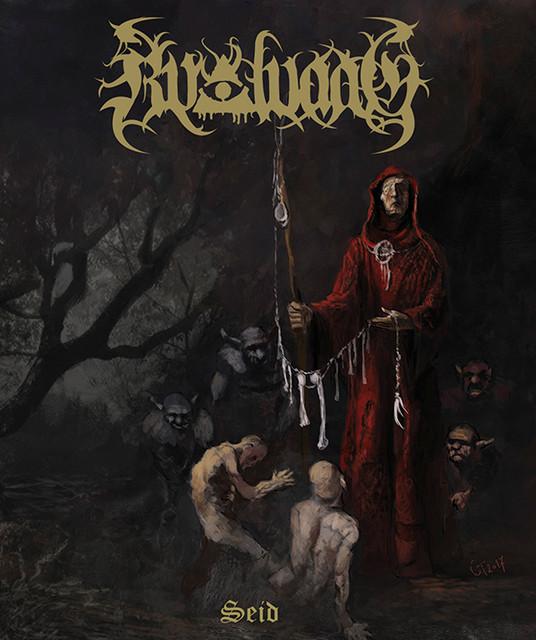
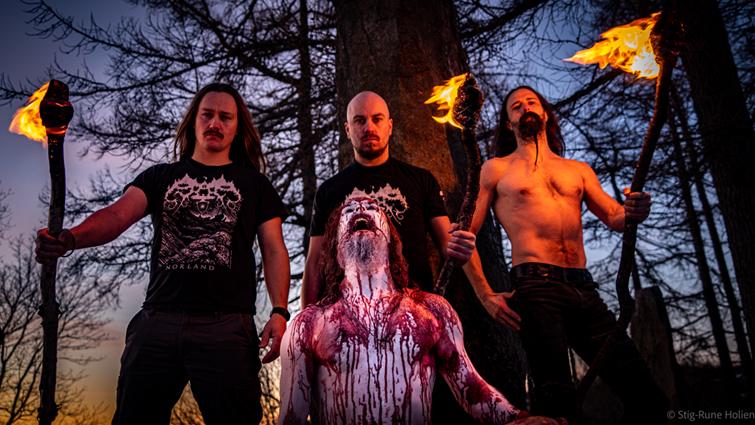
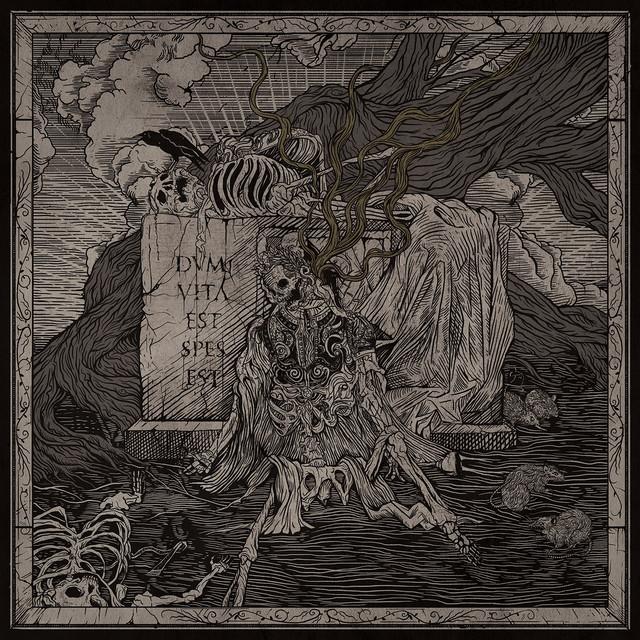
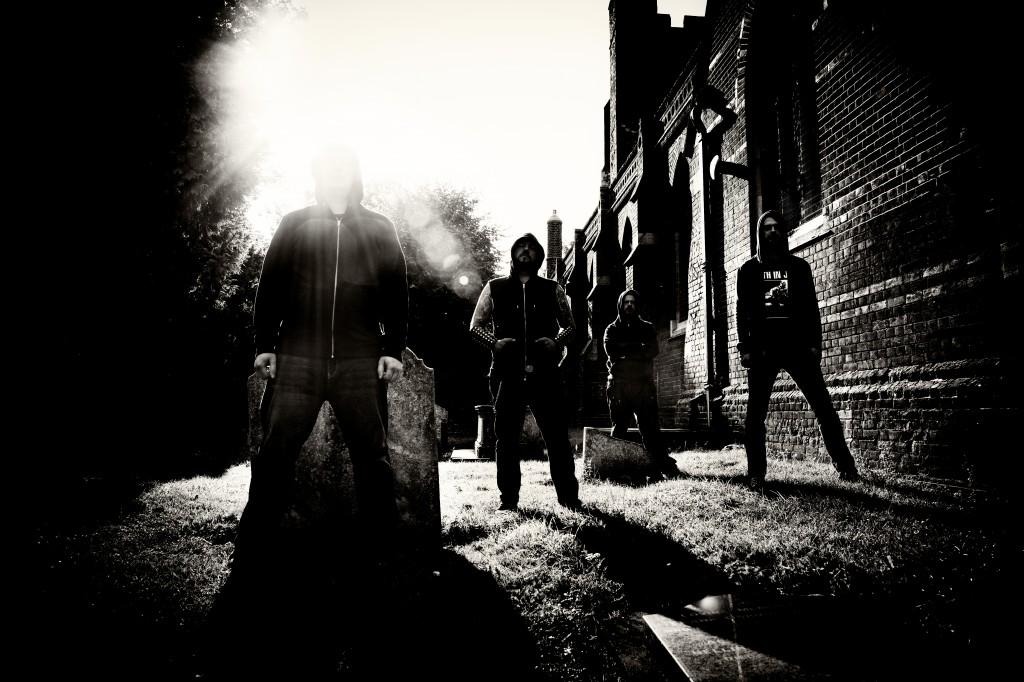
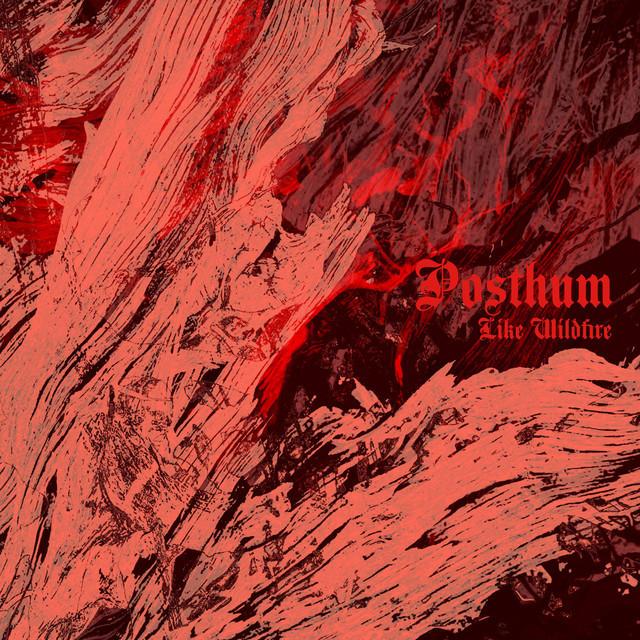
Posthum’s Spotify BioBlack Metal from Nannestad, Norway. More towards the ambient side of things. On the 15th of April 2009, Posthum released their self-titled debut album. The album was actually recorded twice, and though the first recording sounded very good, there was something unsatisfying about the energy within the album, resulting in a second recording, which became the actual release. Folter Records released the album, and 8 months later the band did their first European tour. «Lights Out» was released by Indie Recordings on September 21st, 2012. This album is the most experimental and ambient release from the band, and is considered the odd one among their albums. Two years later «The Black Northern Ritual» hit the shelves, a raw and more brutal sounding album, stripped of the ambient and more mellow parts of their latter release. On the 12th of April 2019, ten years after their debut was released, they release their 4th album «Like Wildfire», which is highly acclaimed by many reviewers and… listeners. Posthum is trying to keep things interesting and unique with each release, and they have, from the very beginning, focused on full-length albums. They have been on the road with bands like Shining (Swe), Obituary, Vreid/Windir, Nargaroth, and Satyricon, and their lust to perform live is ongoing and still growing.
Viberate is a music analytics platform built for A&Rs, artist managers, labels, booking agents, marketers, and artists.
It helps music professionals track artist growth, analyze audience data, monitor playlist activity, compare artists, follow song performance, and identify opportunities across the music market.
Public artist pages provide a free preview of selected artist data. Paid plans provide access to deeper analytics, historical data, charts, comparisons, playlist tools, exports, alerts, reports, and additional professional features.
Yes. Public Viberate artist pages provide selected artist analytics and music data for free.
Viberate also offers a 7-day free trial of the full platform. A credit card is required to start the trial. The trial includes access to the complete product so users can test deeper artist analytics, historical views, playlist insights, comparisons, charts, exports, alerts, and reporting features before choosing a paid plan.
Viberate provides artist analytics across streaming, playlists, social media, video, radio airplay, songs, and audience markets.
Users can analyze Spotify performance, Spotify and Apple Music playlists, YouTube activity, TikTok and Instagram growth, radio spins, song performance, audience locations, demographics, rankings, and overall artist momentum.
Artist profiles also connect to music charts, similar artists, and comparison tools, helping users benchmark performance and evaluate artists in context.
Viberate updates key artist and track data daily.
For followed artists and tracks, selected data is refreshed multiple times per day. This helps teams monitor playlist changes, streaming movement, audience growth, releases, and campaign performance with more current data.
Update frequency can vary depending on the metric and data source.
Yes. Viberate lets users compare up to five artists side by side across streaming, social media, audience, and engagement metrics.
Users can compare fanbase growth, audience demographics, locations, Spotify performance, social metrics, and other artist data over selected time periods.
Artist comparison can be used for A&R scouting, benchmarking, booking decisions, campaign planning, and evaluating artists with similar audiences or market positions.