P.O.S.

Hip Hop
Contemporary Hip Hop
Alternative Hip Hop
 Viberate Rank: 93113
 Viberate Rank: 93113
 Monthly ListenersFollowers
 Subscribers
 Followers
 Followers
 FansTop Spotify Songs
| Track | 7-Day Streams | |
|---|---|---|
1 | 7.51K | |
2 | 2.63K | |
3 | 2.40K | |
4 | 1.68K | |
5 | 1.41K |
Top YouTube VideosMonthly ListenersFeatured in Playlists| Playlist | Followers | |
|---|---|---|
1 |  Millennial Life Crisis Mike Price | 67.36K |
2 |  Tony Hawk's Pro Skater 3+4 Official Soundtrack Spotify | 54.78K |
3 |  Need for Speed Payback Need for Speed | 52.99K |
4 |  Far Cry Complete Music | Official Playlist Ubisoft Music | 31.41K |
5 |  Coding Programming Hacking Slashing Techno Tim | 19.79K |
Audience| City | Monthly Listeners | |
|---|---|---|
1 | | 1.83K |
2 | | 1.07K |
3 | | 1.05K |
4 | | 905 |
5 | | 823 |
See full performance history, audience data, playlist activity, rankings, comparisons, and more in Viberate music analytics. Start with a free trial, then continue with a paid plan.
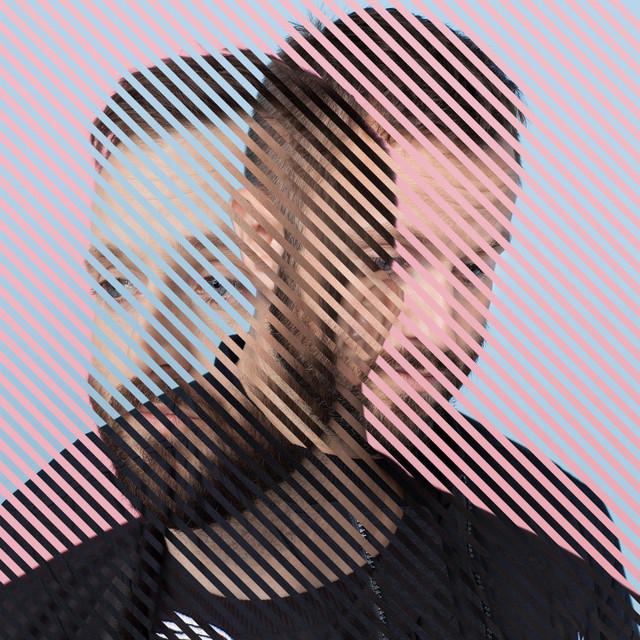
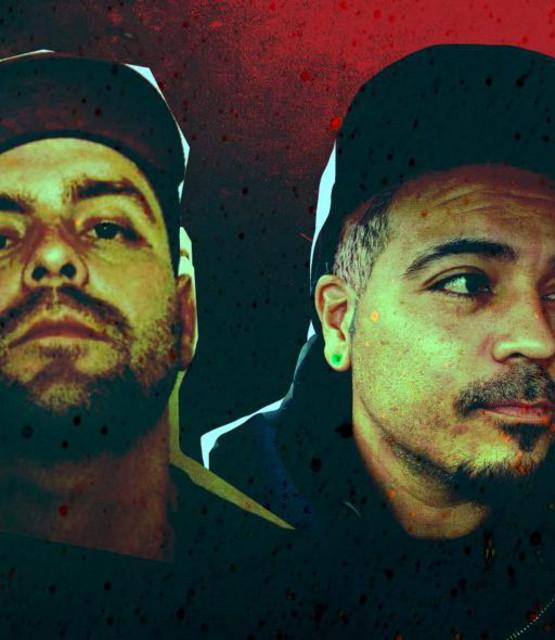
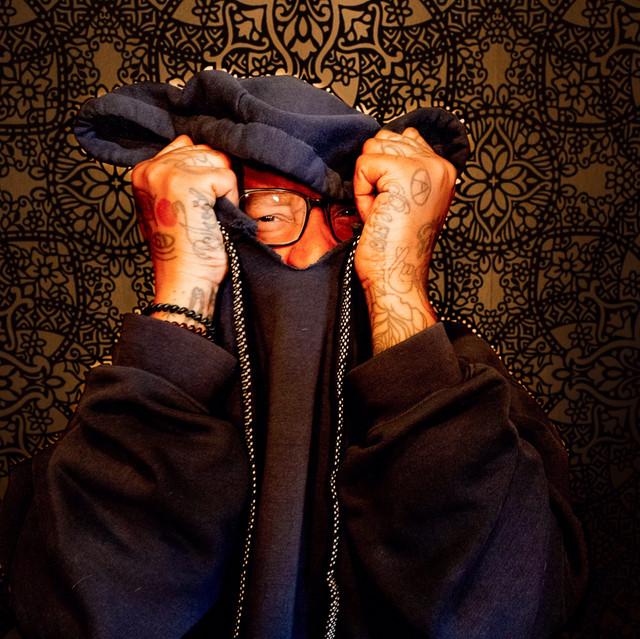
P.O.S.’s Spotify BioA self-taught bassist, guitarist, keyboardist, and drummer, P.O.S. (which stands for a variety of things, including Product of Society, Piece of Sh*t, and Promise of Skill) spent most of his childhood influenced by the energy of punk, drumming for Cadillac Blindside and singing and playing guitar for Building Better Bombs. At 14, however, he was introduced to hip-hop via Company Flow and Oddjobs, and began rapping for fun, performing at small venues around Minneapolis. In 2004, P.O.S. put out his first solo album, Ipecac Neat, with the label/collective (that he co-formed) Doomtree, whose studio was in the basement of the house that many of the members shared. Rhymesayers was so impressed with it that they immediately signed the rapper and re-released the record, as well as the successive P.O.S. releases Audition (2006) and the sprawling Never Better (2009). Filled with political rhymes and anarchist attitude, We Don't Even Live Here followed on the label in 2012. He retreated from the… music scene for a few years after being sidelined by kidney issues (he received a transplant in 2014) and made his return in 2016 with the song "sleepdrone/superposition," which featured Kathleen Hanna (Bikini Kill, the Julie Ruin), Lizzo, Allan Kingdom, and his son, Hard_R. His fifth full-length, Chill, Dummy, arrived at the start of 2017. ~ Marisa Brown, Rovi
Viberate is a music analytics platform built for A&Rs, artist managers, labels, booking agents, marketers, and artists.
It helps music professionals track artist growth, analyze audience data, monitor playlist activity, compare artists, follow song performance, and identify opportunities across the music market.
Public artist pages provide a free preview of selected artist data. Paid plans provide access to deeper analytics, historical data, charts, comparisons, playlist tools, exports, alerts, reports, and additional professional features.
Yes. Public Viberate artist pages provide selected artist analytics and music data for free.
Viberate also offers a 7-day free trial of the full platform. A credit card is required to start the trial. The trial includes access to the complete product so users can test deeper artist analytics, historical views, playlist insights, comparisons, charts, exports, alerts, and reporting features before choosing a paid plan.
Viberate provides artist analytics across streaming, playlists, social media, video, radio airplay, songs, and audience markets.
Users can analyze Spotify performance, Spotify and Apple Music playlists, YouTube activity, TikTok and Instagram growth, radio spins, song performance, audience locations, demographics, rankings, and overall artist momentum.
Artist profiles also connect to music charts, similar artists, and comparison tools, helping users benchmark performance and evaluate artists in context.
Viberate updates key artist and track data daily.
For followed artists and tracks, selected data is refreshed multiple times per day. This helps teams monitor playlist changes, streaming movement, audience growth, releases, and campaign performance with more current data.
Update frequency can vary depending on the metric and data source.
Yes. Viberate lets users compare up to five artists side by side across streaming, social media, audience, and engagement metrics.
Users can compare fanbase growth, audience demographics, locations, Spotify performance, social metrics, and other artist data over selected time periods.
Artist comparison can be used for A&R scouting, benchmarking, booking decisions, campaign planning, and evaluating artists with similar audiences or market positions.