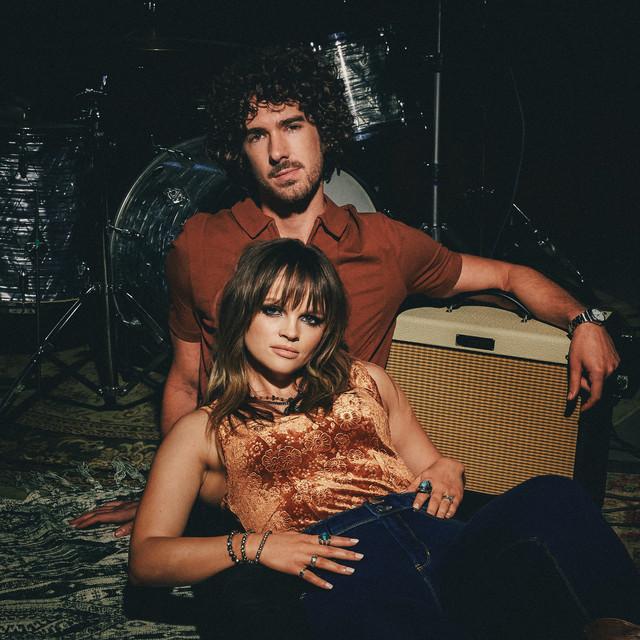
Porter Howell

Country
Americana/Alt Country
 Viberate Rank: 651224
 Viberate Rank: 651224
 Monthly ListenersFollowers
 Subscribers
 Followers
 Followers
 FansTop Spotify Songs
| Track | 7-Day Streams | |
|---|---|---|
1 | 107 |
Top YouTube VideosMonthly ListenersFeatured in Playlists| Playlist | Followers | |
|---|---|---|
1 |  2000 Hits Jessey van der Toorn | 7.31K |
2 |  Happy Country Songs 2026 Pure Country | 3.92K |
Audience| City | Monthly Listeners | |
|---|---|---|
1 |  | 8 |
2 | | 7 |
3 |  | 6 |
4 | | 5 |
5 | | 4 |
See full performance history, audience data, playlist activity, rankings, comparisons, and more in Viberate music analytics. Start with a free trial, then continue with a paid plan.
Porter Howell’s Spotify BioPorter Howell has helped distinguish country music through his lyrics and trademark guitar work for more than 30 years. As a founding member and lead guitarist of the multi-platinum, GRAMMY-nominated vocal band Little Texas, he developed a signature slide guitar style that defined the sound of a band that carved its niche by writing and performing its own music. For the past 15 years, Howell has been both guitarist and lead vocalist, splitting his time between the road and the writing room. Recognized among Nashville’s elite songwriters, Howell co-wrote several of the band’s biggest hits, including “Kick a Little,” First Time for Everything,” “My Love” "What Might Have Been," and “God Blessed Texas.” As a result, he received the CMA Triple Play Award, which honors country music’s greatest storytellers, for penning three No. 1 singles in a 12-month period.
When the music industry shut down in 2020, Howell ramped up. After three decades in the business, it took a pandemic to force him to… record a side project. After writing 40 songs by himself, Howell began making demos, and slowly an album emerged. Just one listen to the title track and debut single, the nostalgic “This Town Was,” confirms how personal this music is to him. Anyone who knows Nashville’s history will be drawn to the authenticity of the lyrics as Howell sings about how the town he grew up in professionally has changed so much.
Viberate is a music analytics platform built for A&Rs, artist managers, labels, booking agents, marketers, and artists.
It helps music professionals track artist growth, analyze audience data, monitor playlist activity, compare artists, follow song performance, and identify opportunities across the music market.
Public artist pages provide a free preview of selected artist data. Paid plans provide access to deeper analytics, historical data, charts, comparisons, playlist tools, exports, alerts, reports, and additional professional features.
Yes. Public Viberate artist pages provide selected artist analytics and music data for free.
Viberate also offers a 7-day free trial of the full platform. A credit card is required to start the trial. The trial includes access to the complete product so users can test deeper artist analytics, historical views, playlist insights, comparisons, charts, exports, alerts, and reporting features before choosing a paid plan.
Viberate provides artist analytics across streaming, playlists, social media, video, radio airplay, songs, and audience markets.
Users can analyze Spotify performance, Spotify and Apple Music playlists, YouTube activity, TikTok and Instagram growth, radio spins, song performance, audience locations, demographics, rankings, and overall artist momentum.
Artist profiles also connect to music charts, similar artists, and comparison tools, helping users benchmark performance and evaluate artists in context.
Viberate updates key artist and track data daily.
For followed artists and tracks, selected data is refreshed multiple times per day. This helps teams monitor playlist changes, streaming movement, audience growth, releases, and campaign performance with more current data.
Update frequency can vary depending on the metric and data source.
Yes. Viberate lets users compare up to five artists side by side across streaming, social media, audience, and engagement metrics.
Users can compare fanbase growth, audience demographics, locations, Spotify performance, social metrics, and other artist data over selected time periods.
Artist comparison can be used for A&R scouting, benchmarking, booking decisions, campaign planning, and evaluating artists with similar audiences or market positions.