Pointed Sticks

Punk
Punk Rock
Power Pop
 Viberate Rank: 289563
 Viberate Rank: 289563
 Monthly ListenersFollowers
 Subscribers
 Followers
 Followers
 FansTop Spotify Songs
| Track | 7-Day Streams | |
|---|---|---|
1 | 1.63K | |
2 | 1.43K | |
3 | 746 | |
4 | 279 | |
5 | 271 |
Top YouTube VideosMonthly ListenersFeatured in Playlists| Playlist | Followers | |
|---|---|---|
1 |  El Sótano de Radio 3 Groovyfamily | 9.84K |
2 | STurn Finn Wolfhard | 4.50K |
3 | Power Pop/Punk Oldies de11even | 3.52K |
4 | POWER POP Hayley Grimes | 3.41K |
5 |  late 70s & early 80s Ska, New wave & Punk Ewan Donnachie | 3.01K |
Audience| City | Monthly Listeners | |
|---|---|---|
1 |  | 174 |
2 | | 128 |
3 | | 116 |
4 | | 105 |
5 | | 89 |
See full performance history, audience data, playlist activity, rankings, comparisons, and more in Viberate music analytics. Start with a free trial, then continue with a paid plan.
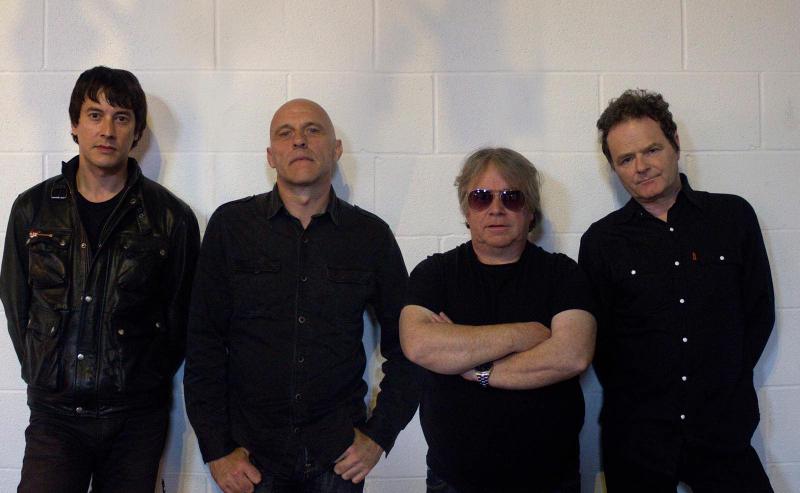
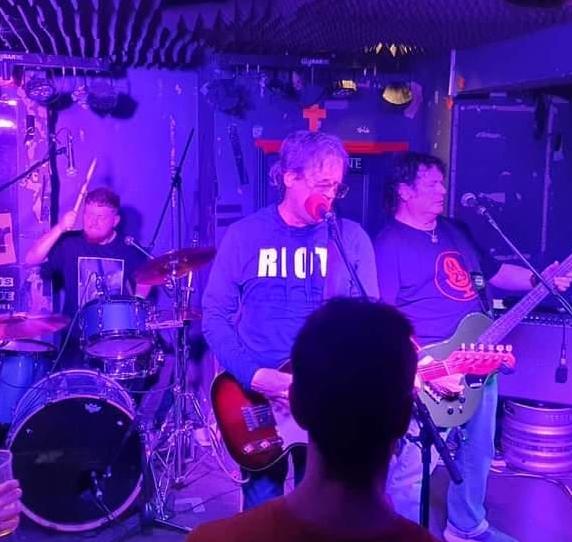
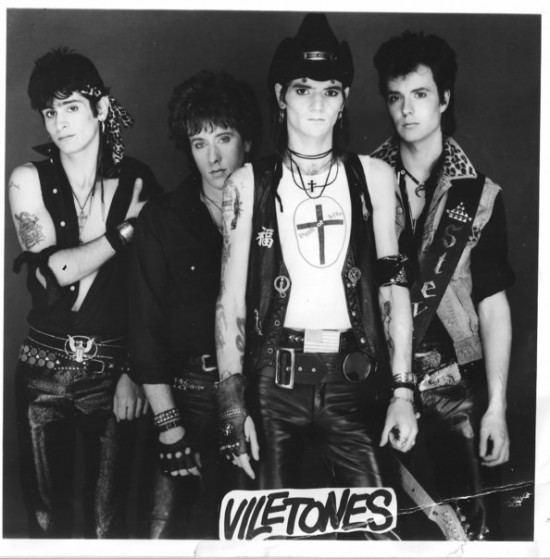
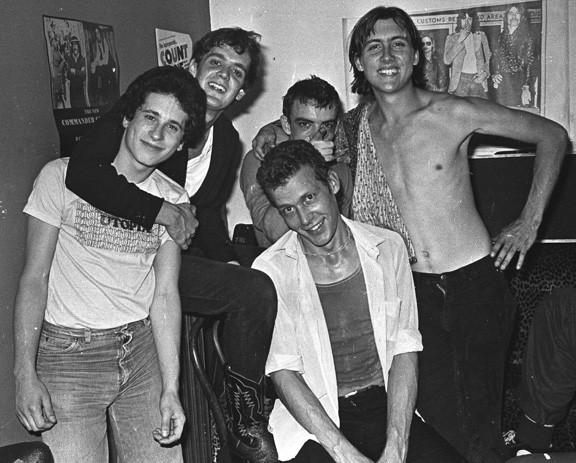
Pointed Sticks’ Spotify BioOne of the key bands on the Canadian punk/new wave scene in the late '70s, the Pointed Sticks played sharp, uptempo pop music with guitars and drums that added real rock & roll muscle, and lyrics that offered a witty and cynical view of the world. The Pointed Sticks were formed in Vancouver, British Columbia in 1977 by vocalist Nick Jones, a music fan who had spent some time in England and had been turned on by the excitement of the U.K. punk scene. When Jones returned to Vancouver, he was eager to start a band, and recruited guitarist Bill Napier-Hemy and bassist Tony Bardach (the latter had previously worked in the memorably named combo Victorian Pork). After several drummers failed to make the grade, Ian Tiles (another Victorian Pork veteran) came on board as drummer, and after a few months of gigging, the band expanded with the addition of Gord Nicholl on keyboards; some time later, Johnny Ferreira joined the band on sax. Taking their name from a Monty Python sketch, in 1978 the… Pointed Sticks cut their first single, "What Do You Want Me to Do," for a Canadian independent label, Quintessence Records, while two more followed in 1979, "The Real Thing" and "Lies."
The Pointed Sticks' live show made them a popular attraction on the West Coast underground music scene, and the group's clever, tuneful, and energetic songs earned them a deal with the fabled U.K. independent label Stiff Records, who released a single, "Out of Luck," in 1979. The group recorded an album for Stiff, produced by Nigel Gray, but the label was going through one of their occasional financial crises and opted not to release it (though the material was later bootlegged and earned an official release in Japan in 2008). With Bob Rock at the controls, the Pointed Sticks cut a second debut album, Perfect Youth, which was released by Quintessence in 1980, the same year the band appeared as themselves in the film Out of the Blue, directed by Dennis Hopper. While Perfect Youth was well received, Quintessence was having cash flow problems, and half of the initial pressing of 10,000 LPs was destroyed when the label didn't have the money on hand to pay the pressing plant. The lineup began to splinter, as bassist Tony Bardach left the band and was replaced by Scott Watson, while drummer Ian Tiles bowed out to be replaced first by Robert Bruce, formerly of Active Dog, and later by Ken "Dimwit" Montgomery, and in 1981, the Pointed Sticks broke up.
While the Pointed Sticks' initial run only lasted three years, they made enough of an impact that bootleg compilations appeared collecting the band's out of print recordings, and in 1995 Zulu Records released an authorized anthology, Part of the Noise. In 2006, Sudden Death Records, the punk-leaning label run by Joe Keithley (aka Joey Shithead) of D.O.A. released another Pointed Sticks collection, Waiting for the Real Thing; the label also put Perfect Youth back into print. The Pointed Sticks had earned a cult following in Japan through their recordings, and in 2006 the band staged a short reunion tour, playing a handful of dates in Japan as well as Canada with the original lineup of Nick Jones, Bill Napier-Hemy, Gord Nicholl, Tony Bardach, and Ian Tiles. The band continued to play occasional concerts, and in 2009 they recorded a second album, Three Lefts Make a Right. The group returned to Japan in 2010, and after a massive earthquake hit Japan in 2011, the Pointed Sticks played a benefit show in Vancouver to raise money for those hit by the disaster. In 2015, the Pointed Sticks unveiled another album of new material, this time simply titled The Pointed Sticks. ~ Mark Deming, Rovi
Viberate is a music analytics platform built for A&Rs, artist managers, labels, booking agents, marketers, and artists.
It helps music professionals track artist growth, analyze audience data, monitor playlist activity, compare artists, follow song performance, and identify opportunities across the music market.
Public artist pages provide a free preview of selected artist data. Paid plans provide access to deeper analytics, historical data, charts, comparisons, playlist tools, exports, alerts, reports, and additional professional features.
Yes. Public Viberate artist pages provide selected artist analytics and music data for free.
Viberate also offers a 7-day free trial of the full platform. A credit card is required to start the trial. The trial includes access to the complete product so users can test deeper artist analytics, historical views, playlist insights, comparisons, charts, exports, alerts, and reporting features before choosing a paid plan.
Viberate provides artist analytics across streaming, playlists, social media, video, radio airplay, songs, and audience markets.
Users can analyze Spotify performance, Spotify and Apple Music playlists, YouTube activity, TikTok and Instagram growth, radio spins, song performance, audience locations, demographics, rankings, and overall artist momentum.
Artist profiles also connect to music charts, similar artists, and comparison tools, helping users benchmark performance and evaluate artists in context.
Viberate updates key artist and track data daily.
For followed artists and tracks, selected data is refreshed multiple times per day. This helps teams monitor playlist changes, streaming movement, audience growth, releases, and campaign performance with more current data.
Update frequency can vary depending on the metric and data source.
Yes. Viberate lets users compare up to five artists side by side across streaming, social media, audience, and engagement metrics.
Users can compare fanbase growth, audience demographics, locations, Spotify performance, social metrics, and other artist data over selected time periods.
Artist comparison can be used for A&R scouting, benchmarking, booking decisions, campaign planning, and evaluating artists with similar audiences or market positions.