PMI

Rock
Progressive Rock
Indie Rock
 Viberate Rank: 710080
 Viberate Rank: 710080
 Monthly ListenersFollowers
 Subscribers
 Followers
 Followers
 FansTop Spotify Songs
| Track | 7-Day Streams | |
|---|---|---|
1 | 371 | |
2 | 59 | |
3 | 25 | |
4 | 8 | |
5 | 4 |
Top YouTube VideosMonthly ListenersFeatured in Playlists| Playlist | Followers | |
|---|---|---|
1 |  GYM ROCK 2026 | WORKOUT MUSIC 💪🔥 Gym Rock | 442.51K |
2 |  Indie Rock Hits 🎸 oceanify | 423.20K |
3 |  MTV 2000s Rock Greatest Hits 🎸📺 tvwave | 275.78K |
4 |  RUN ROCK 2026 | RUNNING MUSIC 🏃🔥 Gym Rock | 206.20K |
5 |  GYM BEAST ROCK 🎸 RAGE MODE WORKOUT 🔱 GYM Beast | 178.27K |
Audience| City | Monthly Listeners | |
|---|---|---|
1 | | 120 |
2 |  | 67 |
3 |  | 46 |
4 |  | 43 |
5 |  | 32 |
See full performance history, audience data, playlist activity, rankings, comparisons, and more in Viberate music analytics. Start with a free trial, then continue with a paid plan.
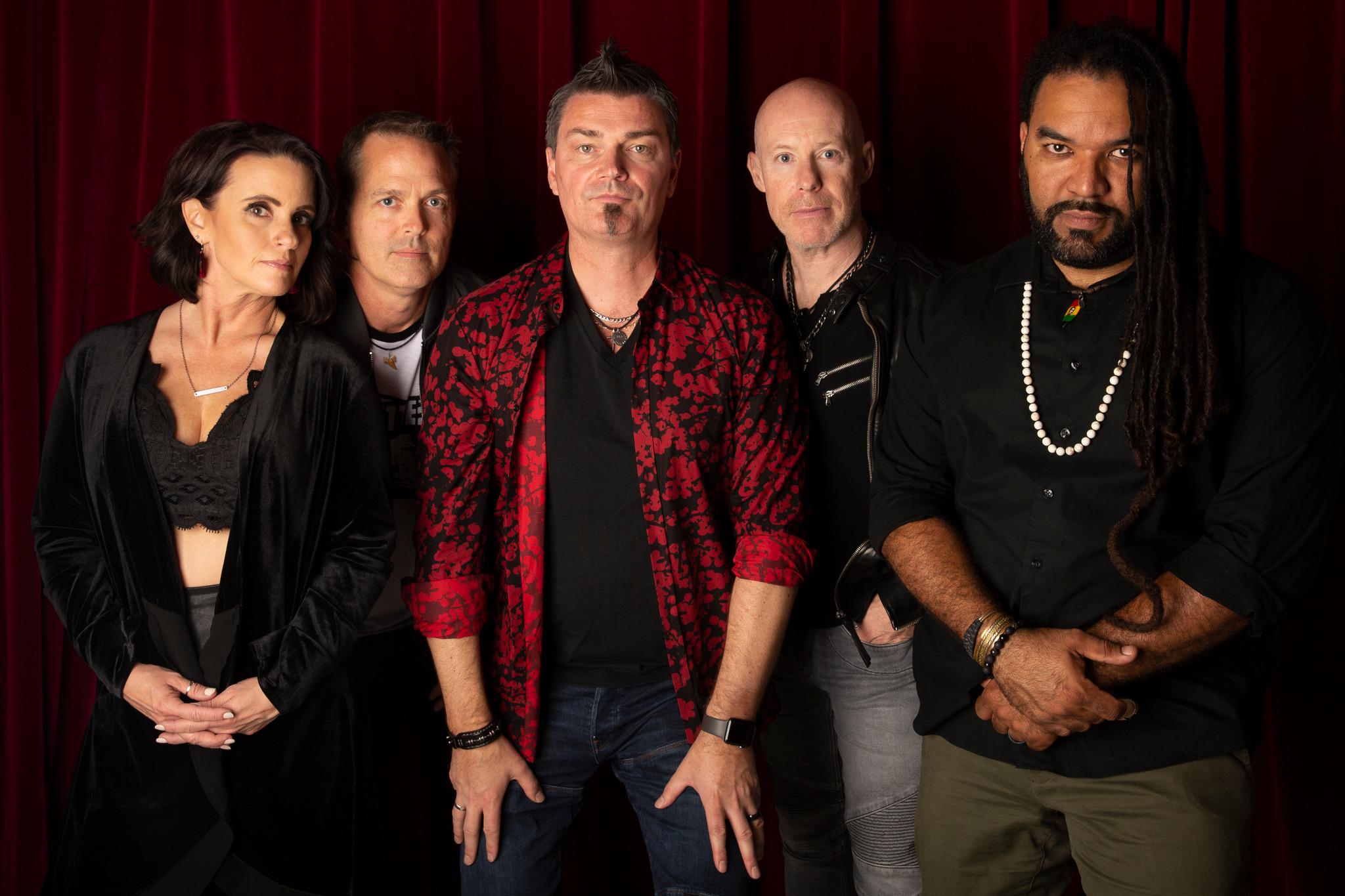
PMI’s Spotify BioPMI is the abbreviation for Pepe Moreno Isla. In Spanish-speaking countries Jose's nickname is Pepe. PMI was born in the late 70's. He was fond of music since he was little and bought his first guitar at the age of 14. As he says: "I wanted to play drums but my parents denied me because it would make a lot of noise ... They asked me to find another instrument ... hoping that I wouldn't find it. " Early on, he formed his first band Eagles & Swords, along with Luis Alvarez (Luis IV, Salmon Jack), Francisco Espinoza (Mestizoman), Carlos Diaz (Fractal Chile) and Max Alvarez (Banda 04, Psycho Freak).
"I remember that our mothers took us to participate in a festival at our school because we were still the youngest ... that's where it all started, we liked Guns N' Roses , Jimi Hendrix, Led Zeppelin, but we also played Pink Floyd stuff. I think that maybe the band gave me a progressive space for my personal taste ... I still appreciate it, as then I moved into Porcupine Tree, Marillion and far… more. " Between 2000 and 2020, PMI was quite away from music creation and performing, as he dedicated himself to his professional career and family, but in 2020 creativity was ignited again, and... including personal life inspirations, Assorted Madness Layers was born. His first solo album, composed and produced by PMI and with the collaboration of Blair Sinta in Drums and mix and mastering by José Ignacio Jaras.
Viberate is a music analytics platform built for A&Rs, artist managers, labels, booking agents, marketers, and artists.
It helps music professionals track artist growth, analyze audience data, monitor playlist activity, compare artists, follow song performance, and identify opportunities across the music market.
Public artist pages provide a free preview of selected artist data. Paid plans provide access to deeper analytics, historical data, charts, comparisons, playlist tools, exports, alerts, reports, and additional professional features.
Yes. Public Viberate artist pages provide selected artist analytics and music data for free.
Viberate also offers a 7-day free trial of the full platform. A credit card is required to start the trial. The trial includes access to the complete product so users can test deeper artist analytics, historical views, playlist insights, comparisons, charts, exports, alerts, and reporting features before choosing a paid plan.
Viberate provides artist analytics across streaming, playlists, social media, video, radio airplay, songs, and audience markets.
Users can analyze Spotify performance, Spotify and Apple Music playlists, YouTube activity, TikTok and Instagram growth, radio spins, song performance, audience locations, demographics, rankings, and overall artist momentum.
Artist profiles also connect to music charts, similar artists, and comparison tools, helping users benchmark performance and evaluate artists in context.
Viberate updates key artist and track data daily.
For followed artists and tracks, selected data is refreshed multiple times per day. This helps teams monitor playlist changes, streaming movement, audience growth, releases, and campaign performance with more current data.
Update frequency can vary depending on the metric and data source.
Yes. Viberate lets users compare up to five artists side by side across streaming, social media, audience, and engagement metrics.
Users can compare fanbase growth, audience demographics, locations, Spotify performance, social metrics, and other artist data over selected time periods.
Artist comparison can be used for A&R scouting, benchmarking, booking decisions, campaign planning, and evaluating artists with similar audiences or market positions.