Plug

Electronic
Drum & Bass
 Viberate Rank: 481137
 Viberate Rank: 481137
 Monthly ListenersFollowers
 Subscribers
 Followers
 Followers
 FansTop Spotify Songs
| Track | 7-Day Streams | |
|---|---|---|
1 | 299 | |
2 | 287 | |
3 | 195 | |
4 | 187 | |
5 | 183 |
Top YouTube VideosMonthly ListenersFeatured in Playlists| Playlist | Followers | |
|---|---|---|
1 |  6 A.M. In The Warehouse (curated by Oath) Oath | 15.98K |
2 |  Music for Programming redconfetti | 8.51K |
3 |  Bleep: For Your Ears and For Your Feet Bleep | 7.17K |
4 |  Planet Amtrac amtracmusic | 4.93K |
5 | 80's/90's Industrial Music Esoteric Soundwave | 1.83K |
Audience| City | Monthly Listeners | |
|---|---|---|
1 | | 224 |
2 |  | 68 |
3 | | 64 |
4 |  | 60 |
5 | | 60 |
See full performance history, audience data, playlist activity, rankings, comparisons, and more in Viberate music analytics. Start with a free trial, then continue with a paid plan.
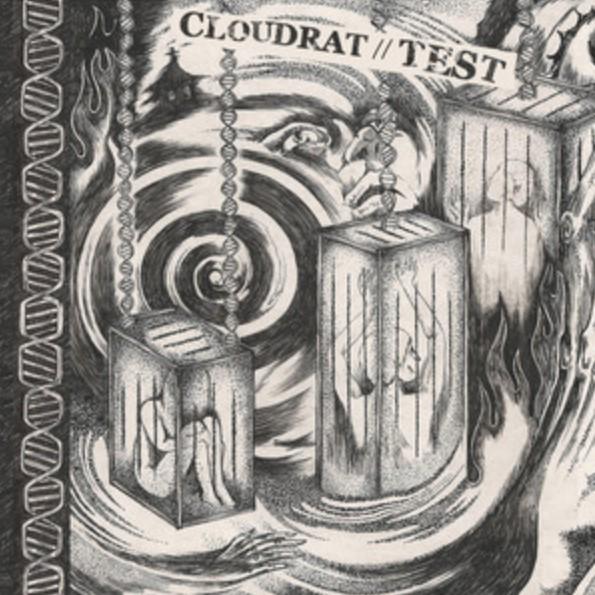
Plug’s Spotify BioLuke Vibert, who had previously provided the links between trip-hop and the intelligent/ambient wing with material recorded as Wagon Christ, did the same to jungle/drum'n'bass with his releases as Plug. During 1995-1996, long before notable gear-heads began experimenting with breakbeats, Vibert released three EPs of rangy, schizoid drill'n'bass for the British label Rising High. Later in 1996, the Plug LP Drum'n'bass for Papa appeared on Blue Planet. One year later, Nothing -- the Interscope-funded label headed by Nine Inch Nails' Trent Reznor -- gave it an American release and Vibert remixed a NIN single as well. Perhaps fearing a potential breakthrough in the States, Vibert returned to the Wagon Christ alias in 1998. Plug reappeared in 2012, when Vibert compiled previously unreleased recordings from 1996 and released them on Ninja Tune as Back on Time. [See Also: Wagon Christ, Luke Vibert, Amen Andrews, Kerrier District] ~ John Bush
Viberate is a music analytics platform built for A&Rs, artist managers, labels, booking agents, marketers, and artists.
It helps music professionals track artist growth, analyze audience data, monitor playlist activity, compare artists, follow song performance, and identify opportunities across the music market.
Public artist pages provide a free preview of selected artist data. Paid plans provide access to deeper analytics, historical data, charts, comparisons, playlist tools, exports, alerts, reports, and additional professional features.
Yes. Public Viberate artist pages provide selected artist analytics and music data for free.
Viberate also offers a 7-day free trial of the full platform. A credit card is required to start the trial. The trial includes access to the complete product so users can test deeper artist analytics, historical views, playlist insights, comparisons, charts, exports, alerts, and reporting features before choosing a paid plan.
Viberate provides artist analytics across streaming, playlists, social media, video, radio airplay, songs, and audience markets.
Users can analyze Spotify performance, Spotify and Apple Music playlists, YouTube activity, TikTok and Instagram growth, radio spins, song performance, audience locations, demographics, rankings, and overall artist momentum.
Artist profiles also connect to music charts, similar artists, and comparison tools, helping users benchmark performance and evaluate artists in context.
Viberate updates key artist and track data daily.
For followed artists and tracks, selected data is refreshed multiple times per day. This helps teams monitor playlist changes, streaming movement, audience growth, releases, and campaign performance with more current data.
Update frequency can vary depending on the metric and data source.
Yes. Viberate lets users compare up to five artists side by side across streaming, social media, audience, and engagement metrics.
Users can compare fanbase growth, audience demographics, locations, Spotify performance, social metrics, and other artist data over selected time periods.
Artist comparison can be used for A&R scouting, benchmarking, booking decisions, campaign planning, and evaluating artists with similar audiences or market positions.