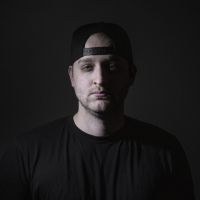
PLSMA

Electronic
Trap/Future Bass
Dubstep
 Viberate Rank: 320022
 Viberate Rank: 320022
 Monthly ListenersFollowers
 Subscribers
 Followers
 Followers
 FansTop Spotify Songs
| Track | 7-Day Streams | |
|---|---|---|
1 | 745 | |
2 | 218 | |
3 | 164 | |
4 | 123 | |
5 | 115 |
Top YouTube VideosMonthly ListenersFeatured in Playlists| Playlist | Followers | |
|---|---|---|
1 |  rave harder techno bass Lisa | 48.86K |
2 |  Long Live DnB Spotify | 48.01K |
3 |  BARONG FAMILY (FULL CATALOGUE) jace | 25.29K |
4 |  #KanniFam kannibalenrecords | 19.57K |
5 |  PRA JOGAR SERIO 😈🤬🤡 sartori | 17.27K |
Audience| City | Monthly Listeners | |
|---|---|---|
1 | | 83 |
2 | | 66 |
3 | | 64 |
4 |  | 57 |
5 | | 56 |
See full performance history, audience data, playlist activity, rankings, comparisons, and more in Viberate music analytics. Start with a free trial, then continue with a paid plan.
PLSMA’s Spotify BioPLSMA is an American bass music dj/producer established in 2015. His production style can be categorized anywhere from dubstep to bass house although his live performances tackle a variety of different genres including trap music, hybrid trap, deep house, and hip hop. In 2016, his remix for TNGHT’s ‘Higher Ground’ created a stamp for his sound in the Tampa Bay area. His follow up remix for Zomboy’s ‘Rotten’ gained global support from notable artists such as Zeke Beats, Blunts n Blondes, Sharps, Kevin Flum, Bailo, Pixel Terror, Nerd Rage, Foreign Suspects, Makk, D3V, Too Kind and Dvnk Sinatrv. The most recent release rocked the soundcloud charts with a remix of ’Stand Up’ by Ludacris PLSMA is projecting to release a variety of remixes and original music in 2019.
Aside from remixes, PLSMA has also released successful original content. His track ‘AUTO’ shows diversity in his production style. While previous releases highlight heavy bass and sound design, ‘AUTO’ demonstrates a more 808… heavy and sample oriented record. For PLSMA, nothing is really impossible when stepping into a digital audio work-station. He shows versatility on and off stage and will continue to release organic records/collaborations for years to come.
Viberate is a music analytics platform built for A&Rs, artist managers, labels, booking agents, marketers, and artists.
It helps music professionals track artist growth, analyze audience data, monitor playlist activity, compare artists, follow song performance, and identify opportunities across the music market.
Public artist pages provide a free preview of selected artist data. Paid plans provide access to deeper analytics, historical data, charts, comparisons, playlist tools, exports, alerts, reports, and additional professional features.
Yes. Public Viberate artist pages provide selected artist analytics and music data for free.
Viberate also offers a 7-day free trial of the full platform. A credit card is required to start the trial. The trial includes access to the complete product so users can test deeper artist analytics, historical views, playlist insights, comparisons, charts, exports, alerts, and reporting features before choosing a paid plan.
Viberate provides artist analytics across streaming, playlists, social media, video, radio airplay, songs, and audience markets.
Users can analyze Spotify performance, Spotify and Apple Music playlists, YouTube activity, TikTok and Instagram growth, radio spins, song performance, audience locations, demographics, rankings, and overall artist momentum.
Artist profiles also connect to music charts, similar artists, and comparison tools, helping users benchmark performance and evaluate artists in context.
Viberate updates key artist and track data daily.
For followed artists and tracks, selected data is refreshed multiple times per day. This helps teams monitor playlist changes, streaming movement, audience growth, releases, and campaign performance with more current data.
Update frequency can vary depending on the metric and data source.
Yes. Viberate lets users compare up to five artists side by side across streaming, social media, audience, and engagement metrics.
Users can compare fanbase growth, audience demographics, locations, Spotify performance, social metrics, and other artist data over selected time periods.
Artist comparison can be used for A&R scouting, benchmarking, booking decisions, campaign planning, and evaluating artists with similar audiences or market positions.