Pleymo

Metal
Alternative Metal
Nu Metal
 Viberate Rank: 89709
 Viberate Rank: 89709
 Monthly ListenersFollowers
 Subscribers
 Followers
 Followers
 FansTop Spotify Songs
| Track | 7-Day Streams | |
|---|---|---|
1 | 12.20K | |
2 | 9.20K | |
3 | 5.27K | |
4 | 3.36K | |
5 | 3.35K |
Top YouTube VideosMonthly ListenersFeatured in Playlists| Playlist | Followers | |
|---|---|---|
1 |  The Sound of Everything The Sounds of Spotify | 53.81K |
2 |  Metal Français : l'essentiel Spotify | 20.02K |
3 | Metal🤘🏻 Naydil González | 16.46K |
4 | Rock Band [1+2+3+4] svas726 | 15.84K |
5 | Bible of Nu-Metal/alternatif Grunt | 15.47K |
Audience| City | Monthly Listeners | |
|---|---|---|
1 |  | 1.23K |
2 | | 992 |
3 |  | 798 |
4 |  | 740 |
5 | | 419 |
See full performance history, audience data, playlist activity, rankings, comparisons, and more in Viberate music analytics. Start with a free trial, then continue with a paid plan.
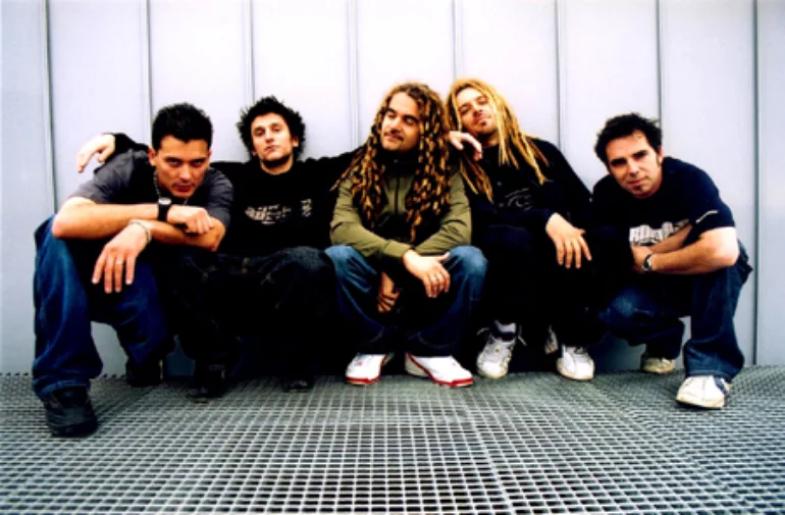
Pleymo’s Spotify BioFrench rap-metal/alternative metal six-piece Pleymo were formed in 1997, when the genre was truly at the top of its game. Bands like Limp Bizkit and Linkin Park ruled the airwaves and their sound was made popular and in high demand all over the world. However, as general enthusiasm for the genre was gradually replaced by bored indifference by the first half of the next decade, and bigger bands either moved on in search of different sounds or carried on working for diminishing audience, Pleymo chose to hold on to a by then unfashionable sound. Moreover, they did so with enough energy and inventiveness to keep things fresh and interesting well into the 2000s. The members of the band were still in their late teens when they came together to form Pleymo. Originally there were only four of them -- Marc Maggiori (vocals), Benoit Julliard (bass, keyboards, backing vocals), Fred Ceraudo (drums), and guitar player Mattias. The original name of the band was "Pleymobill," after a line of plastic… toys. It was shortened to Pleymo within a year, when the band's lineup expanded to five due to the inclusion of turntablist DJ Frank (Frank Bailleul). Erik Devilloutreys replaced Mattias as the band's guitar player and remained a permanent member. At that point the musicians cited Rage Against the Machine, Korn, and Primus as their main musical influences.
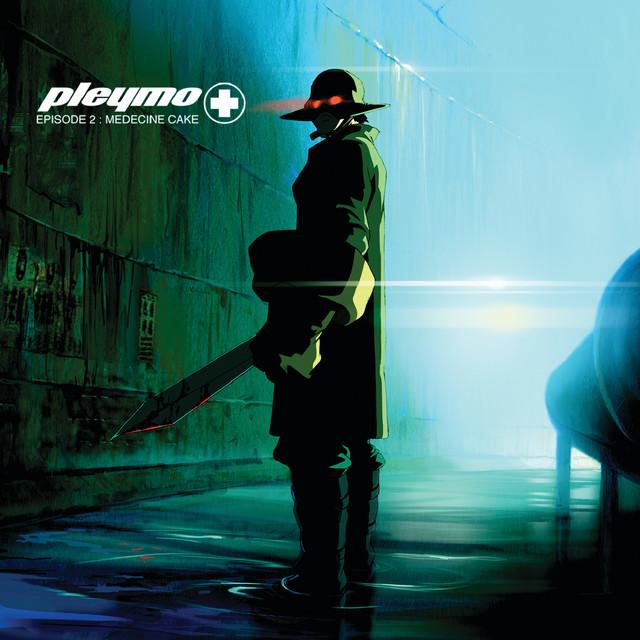
Looking to expand their fan base, Pleymo created a sort of underground coalition with a number of like-minded bands, such as AqME, Watcha, and Enhancer. The coalition was dubbed "Team Nowhere" -- the bands performed together and helped each other out in various ways. The group's first record, an eponymous four-track EP, was issued in 1998, to little interest. Still, Pleymo continued to build a formidable reputation in the underground as an explosive live act. Soon they were invited to Belgium to record their first full-length with producer Stephen Kremer, who already had some experience with "Team Nowhere" bands. During the recording, Pleymo finally solidified their lineup with the sixth member, guitarist Davy Portela. The resulting record, Keckispasse, was issued in 1999 by Wet Music and eventually sold about 10000 copies, which was quite a start for a young band. Following the release of their first record, Pleymo toured relentlessly, and finally major labels began to take notice. In 2000, the band was signed by Epic Records and began to work on their second full-length; Episode 2: Medecine Cake was released in 2002 and performed even better than its predecessor, selling over 50,000 copies. The tour in support of Medecine Cake included more than 120 dates. The English version of the record, titled Doctor Tank's Medecine Cake also brought Pleymo surprising popularity in Japan.
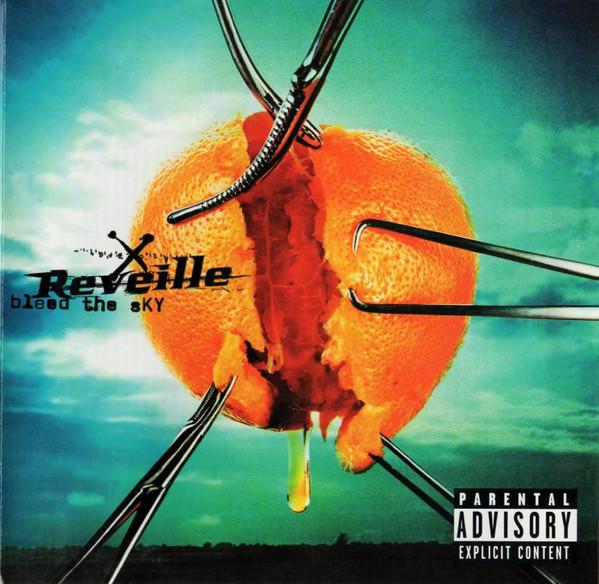
By the end of 2002 the band issued a stopgap EP with live recordings, and were concentrating on their next release. Their third record was the first attempt of the band to alter their formula somewhat, and was simply titled Rock. It was far more melodic and less aggressive than their previous full-lengths. It was also something of a concept album: the record told a story of a four-year old blind boy and his imaginary double. In 2005, the band released a full-length live effort Ce Soir, C'est Grand Soir, available on both CD and DVD. Their 2006 record Alphabet Prison neatly tied up all the threads running through their previous work, as it combined the aggressive sounds of their earlier records with more melodious leanings of Rock, resulting in the most well-rounded effort by the band yet. ~ Sergey Mesenov, Rovi
Viberate is a music analytics platform built for A&Rs, artist managers, labels, booking agents, marketers, and artists.
It helps music professionals track artist growth, analyze audience data, monitor playlist activity, compare artists, follow song performance, and identify opportunities across the music market.
Public artist pages provide a free preview of selected artist data. Paid plans provide access to deeper analytics, historical data, charts, comparisons, playlist tools, exports, alerts, reports, and additional professional features.
Yes. Public Viberate artist pages provide selected artist analytics and music data for free.
Viberate also offers a 7-day free trial of the full platform. A credit card is required to start the trial. The trial includes access to the complete product so users can test deeper artist analytics, historical views, playlist insights, comparisons, charts, exports, alerts, and reporting features before choosing a paid plan.
Viberate provides artist analytics across streaming, playlists, social media, video, radio airplay, songs, and audience markets.
Users can analyze Spotify performance, Spotify and Apple Music playlists, YouTube activity, TikTok and Instagram growth, radio spins, song performance, audience locations, demographics, rankings, and overall artist momentum.
Artist profiles also connect to music charts, similar artists, and comparison tools, helping users benchmark performance and evaluate artists in context.
Viberate updates key artist and track data daily.
For followed artists and tracks, selected data is refreshed multiple times per day. This helps teams monitor playlist changes, streaming movement, audience growth, releases, and campaign performance with more current data.
Update frequency can vary depending on the metric and data source.
Yes. Viberate lets users compare up to five artists side by side across streaming, social media, audience, and engagement metrics.
Users can compare fanbase growth, audience demographics, locations, Spotify performance, social metrics, and other artist data over selected time periods.
Artist comparison can be used for A&R scouting, benchmarking, booking decisions, campaign planning, and evaluating artists with similar audiences or market positions.