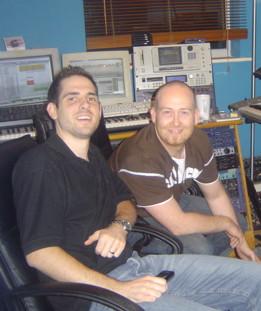
Platnum

Electronic
House
Dance
Contemporary R&B
 Viberate Rank: 87720
 Viberate Rank: 87720
 Monthly ListenersFollowers
 Subscribers
 Followers
 Followers
 FansTop Spotify Songs
| Track | 7-Day Streams | |
|---|---|---|
1 | 92.16K | |
2 | 41.06K | |
3 | 4.41K | |
4 | 958 | |
5 | 155 |
Top YouTube VideosMonthly ListenersFeatured in Playlists| Playlist | Followers | |
|---|---|---|
1 |  UK Garage Classics Spotify | 695.31K |
2 |  Room 2: Classics Spotify | 599.79K |
3 |  100% Floorfillers Spotify | 398.55K |
4 |  Charva Night Spotify | 171.10K |
5 |  Ibiza Anthems | Ministry of Sound Ministry of Sound | 124.05K |
Audience| City | Monthly Listeners | |
|---|---|---|
1 | | 9.25K |
2 | | 7.76K |
3 | | 4.96K |
4 | | 1.54K |
5 | | 1.53K |
See full performance history, audience data, playlist activity, rankings, comparisons, and more in Viberate music analytics. Start with a free trial, then continue with a paid plan.
Platnum’s Spotify BioAssociated with the U.K. garage scene, in particular the bassline subgenre, Platnum is a vocal trio from Manchester, England, who emerged to mainstream success on the number two hit single "What's It Gonna Be" by H "two" O in 2008. Comprised of vocalists Aaron Evers, Michelle McKenna, and Mina Poli, the trio made its recording debut in 2006 with Over the Heartache, a 12" U.K. garage release on Nocturnal Records. Their mainstream breakthrough collaboration with H "two" O, "What's It Gonna Be," was originally released in late 2007 as a white label by Ministry of Sound. In early 2008 the single was officially released on the newly founded Ministry of Sound subsidiary Hard2Beat Records. Featuring the vocals of Platnum over the production work of H "two" O, "What's It Gonna Be" rose to number two on the U.K. singles chart; it was also a Top Ten hit on the Irish singles chart. Later in 2008, "Love Shy (Thinking About You)" -- a cover version of Kristine Blond's 2000 hit "Love Shy" -- was… released as a follow-up single by Platnum and became a number 12 hit single in the U.K. 2017 saw the return of Platnum as a duo with original member Mina Poli leaving the group
Viberate is a music analytics platform built for A&Rs, artist managers, labels, booking agents, marketers, and artists.
It helps music professionals track artist growth, analyze audience data, monitor playlist activity, compare artists, follow song performance, and identify opportunities across the music market.
Public artist pages provide a free preview of selected artist data. Paid plans provide access to deeper analytics, historical data, charts, comparisons, playlist tools, exports, alerts, reports, and additional professional features.
Yes. Public Viberate artist pages provide selected artist analytics and music data for free.
Viberate also offers a 7-day free trial of the full platform. A credit card is required to start the trial. The trial includes access to the complete product so users can test deeper artist analytics, historical views, playlist insights, comparisons, charts, exports, alerts, and reporting features before choosing a paid plan.
Viberate provides artist analytics across streaming, playlists, social media, video, radio airplay, songs, and audience markets.
Users can analyze Spotify performance, Spotify and Apple Music playlists, YouTube activity, TikTok and Instagram growth, radio spins, song performance, audience locations, demographics, rankings, and overall artist momentum.
Artist profiles also connect to music charts, similar artists, and comparison tools, helping users benchmark performance and evaluate artists in context.
Viberate updates key artist and track data daily.
For followed artists and tracks, selected data is refreshed multiple times per day. This helps teams monitor playlist changes, streaming movement, audience growth, releases, and campaign performance with more current data.
Update frequency can vary depending on the metric and data source.
Yes. Viberate lets users compare up to five artists side by side across streaming, social media, audience, and engagement metrics.
Users can compare fanbase growth, audience demographics, locations, Spotify performance, social metrics, and other artist data over selected time periods.
Artist comparison can be used for A&R scouting, benchmarking, booking decisions, campaign planning, and evaluating artists with similar audiences or market positions.