
Pit Ahmeti

Electronic
Techno
House
 Viberate Rank: 385127
 Viberate Rank: 385127
 Monthly ListenersFollowers
 Subscribers
 Followers
 Followers
 FansTop Spotify SongsTop YouTube VideosMonthly ListenersFeatured in Playlists
| Playlist | Followers | |
|---|---|---|
1 | 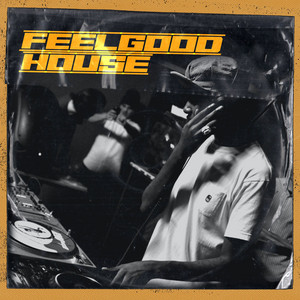 Feel Good House dig dis! | 20.66K |
2 |  Groovy Tech House Jams Drew Dapps | 3.87K |
3 |  Drew Dapps' Slapps Drew Dapps | 2.86K |
4 | 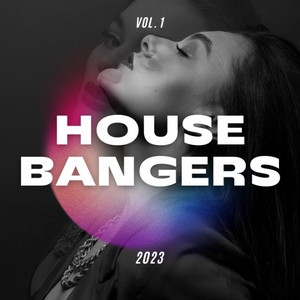 House Bangers 2023 Dj Vanwells | 1.14K |
Audience| City | Monthly Listeners | |
|---|---|---|
1 | | 3 |
See full performance history, audience data, playlist activity, rankings, comparisons, and more in Viberate music analytics. Start with a free trial, then continue with a paid plan.
Pit Ahmeti’s Spotify BioPit Ahmeti aka DJ Pit moved from Kosovo to Hanover in 1989, where his early musical experiences and influences in the music of the Balkans were rooted in the Oriental atmosphere. It was in Hanover, where he found his interest in electronic music. Events like Hanomag - Cyberhouse parties and DJ names like Westbam, DJ Hell, Sven Väth and Marusha brought him closer to his passion. Pit decided that DJing will be the next big move in his life after watching VIVA's housewife show with Mate Galic.
It was not long after he bought two Technichs and a mixer and started practising.
Pit first live experience was at a friend's club where the DJ did not get booked, and he had to play in replace. This experience led him to the idea that he wanted to be a DJ for the rest of his life.
Pit was a regular DJ at parties and visited at least once a month the record store as he tied the first contacts in the scene.
Later Pit became a resident at Tiffany Club 2000, where he took care of the DJ bookings. He was… also an integral part of the party scene and played regularly in clubs and events with well-known DJs.
In 2004 Alex Nolte, Nils Ohrmann, Ermir Puka and Pit Ahmeti had the idea of Electro-Alb, a sort of network of DJ's worldwide, long before Myspace. The limited financial resources and the implementation were the reasons why Electro-Alb was not so successful and had to be closed.
Almost the same persons were the ones that founded the series of events under the name of "Weserkraft". "Weserkraft" was very successful and threw memorable parties for more than 3 years.
Pit gained experience playing in countries such as Slovakia, Albania, Croatia, Czech Republic and at festivals such as "Stay Human", "Adriatik Underground" etc always making the crowd dance to his sets.
During this time he also got his hands on the music production, experimenting with several kinds of electronic music such as House, Deep, Tech and Minimal and not forgetting to put his own style, making them more groovy and never boring.
Pit is dedicated to electronic music and produces his own sound in his own music studio. ..
Viberate is a music analytics platform built for A&Rs, artist managers, labels, booking agents, marketers, and artists.
It helps music professionals track artist growth, analyze audience data, monitor playlist activity, compare artists, follow song performance, and identify opportunities across the music market.
Public artist pages provide a free preview of selected artist data. Paid plans provide access to deeper analytics, historical data, charts, comparisons, playlist tools, exports, alerts, reports, and additional professional features.
Yes. Public Viberate artist pages provide selected artist analytics and music data for free.
Viberate also offers a 7-day free trial of the full platform. A credit card is required to start the trial. The trial includes access to the complete product so users can test deeper artist analytics, historical views, playlist insights, comparisons, charts, exports, alerts, and reporting features before choosing a paid plan.
Viberate provides artist analytics across streaming, playlists, social media, video, radio airplay, songs, and audience markets.
Users can analyze Spotify performance, Spotify and Apple Music playlists, YouTube activity, TikTok and Instagram growth, radio spins, song performance, audience locations, demographics, rankings, and overall artist momentum.
Artist profiles also connect to music charts, similar artists, and comparison tools, helping users benchmark performance and evaluate artists in context.
Viberate updates key artist and track data daily.
For followed artists and tracks, selected data is refreshed multiple times per day. This helps teams monitor playlist changes, streaming movement, audience growth, releases, and campaign performance with more current data.
Update frequency can vary depending on the metric and data source.
Yes. Viberate lets users compare up to five artists side by side across streaming, social media, audience, and engagement metrics.
Users can compare fanbase growth, audience demographics, locations, Spotify performance, social metrics, and other artist data over selected time periods.
Artist comparison can be used for A&R scouting, benchmarking, booking decisions, campaign planning, and evaluating artists with similar audiences or market positions.