Pinkshinyultrablast

Pop
Indie Pop
Shoegaze
 Viberate Rank: 112876
 Viberate Rank: 112876
 Monthly ListenersFollowers
 Subscribers
 Followers
 Followers
 FansTop Spotify Songs
| Track | 7-Day Streams | |
|---|---|---|
1 | 10.86K | |
2 | 6.69K | |
3 | 3.39K | |
4 | 2.03K | |
5 | 2.00K |
Top YouTube VideosMonthly ListenersFeatured in Playlists| Playlist | Followers | |
|---|---|---|
1 |  Shoegaze Classics Spotify | 708.02K |
2 |  Dreampop Classics Spotify | 659.70K |
3 |  Dreampop Spotify | 322.56K |
4 | wicks Brennan McDowell | 43.73K |
5 |  Dream Pop Kasper Gutman | 38.21K |
Audience| City | Monthly Listeners | |
|---|---|---|
1 |  | 1.79K |
2 | | 1.30K |
3 | | 1.20K |
4 |  | 1.17K |
5 | | 947 |
See full performance history, audience data, playlist activity, rankings, comparisons, and more in Viberate music analytics. Start with a free trial, then continue with a paid plan.
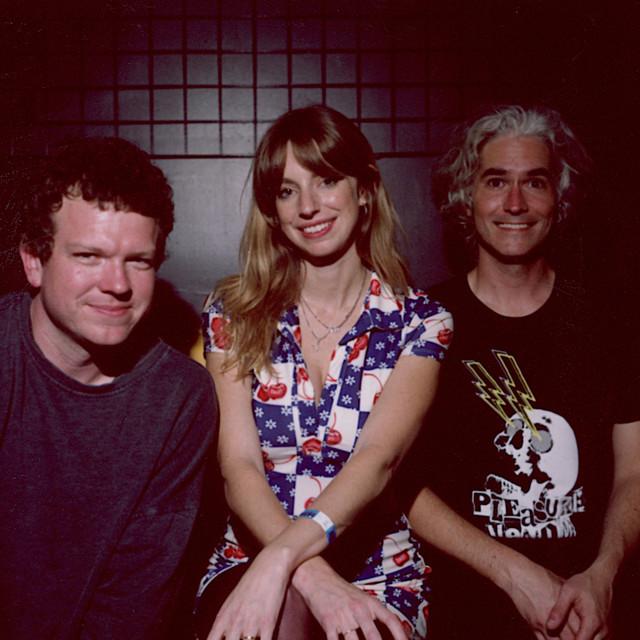
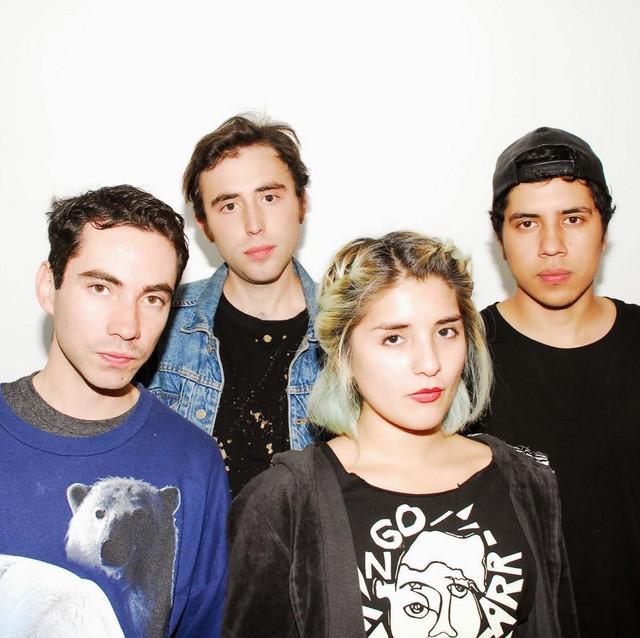
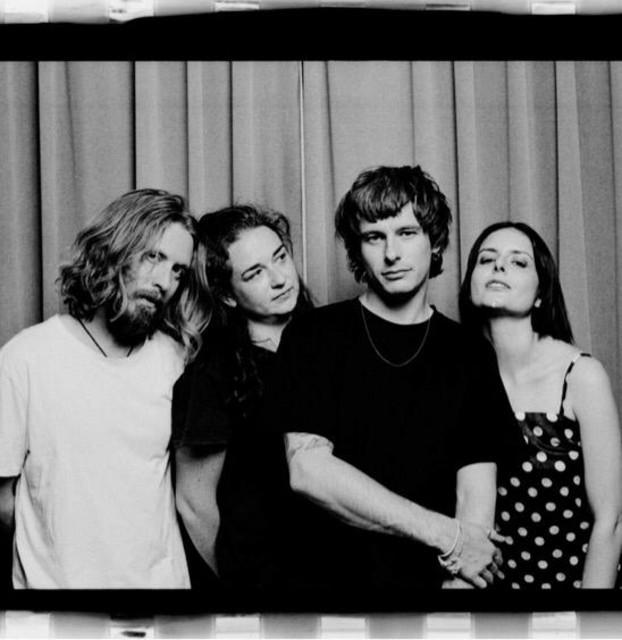
Pinkshinyultrablast’s Spotify BioSaint Petersburg, Russia may not be known as a hub for the shoegaze sound, but that didn't stop Pinkshinyultrablast, a band that took its name from an Astrobrite album. Made up of bassist Igor, drummer Sergey, synth player Rustam, guitarist Roman, and singer Lyubov, Pinkshinyultrablast draw from classic sources like My Bloody Valentine and the Cocteau Twins, but their knowledge of the shoegaze idiom runs deep, as evidenced by the obscurity of the group that gave them their name. The bandmembers also cite influences as diverse as Sabres of Paradise and Terry Riley. Over time, their sound has grown more complex and ambitious, incorporating genres such as Krautrock and prog rock on 2016's Grandfeathered, and Japanese pop on 2018's Miserable Miracles.
After debuting with a four-song EP titled Happy Songs for Happy Zombies in 2009, the group was quiet before resurfacing with a single ("Umi") for the U.K. label Club AC30 in late 2014. It was followed in early 2015 by their first full-length… album, Everything Else Matters, released by Club AC30 in the U.K. and Shelflife in the U.S. The album found Pinkshinyultrablast in debt to the past but creating something sleek and modern out of their influences, and was met with critical acclaim. The band returned a year later with its second album, the more ambitious, experimental Grandfeathered. The group digitally released a single titled "In the Hanging Gardens" in 2017, and a 10" EP containing remixes of the track was issued the following year. Pared down to a lineup of just Lyubov, Rustam, and Roman, Pinkshinyultrablast released their third album, Miserable Miracles, which expanded on their electronic pop influences, taking inspiration from Japanese artists like Yellow Magic Orchestra and Chiemi Manabe. ~ Tim Sendra, Rovi
Viberate is a music analytics platform built for A&Rs, artist managers, labels, booking agents, marketers, and artists.
It helps music professionals track artist growth, analyze audience data, monitor playlist activity, compare artists, follow song performance, and identify opportunities across the music market.
Public artist pages provide a free preview of selected artist data. Paid plans provide access to deeper analytics, historical data, charts, comparisons, playlist tools, exports, alerts, reports, and additional professional features.
Yes. Public Viberate artist pages provide selected artist analytics and music data for free.
Viberate also offers a 7-day free trial of the full platform. A credit card is required to start the trial. The trial includes access to the complete product so users can test deeper artist analytics, historical views, playlist insights, comparisons, charts, exports, alerts, and reporting features before choosing a paid plan.
Viberate provides artist analytics across streaming, playlists, social media, video, radio airplay, songs, and audience markets.
Users can analyze Spotify performance, Spotify and Apple Music playlists, YouTube activity, TikTok and Instagram growth, radio spins, song performance, audience locations, demographics, rankings, and overall artist momentum.
Artist profiles also connect to music charts, similar artists, and comparison tools, helping users benchmark performance and evaluate artists in context.
Viberate updates key artist and track data daily.
For followed artists and tracks, selected data is refreshed multiple times per day. This helps teams monitor playlist changes, streaming movement, audience growth, releases, and campaign performance with more current data.
Update frequency can vary depending on the metric and data source.
Yes. Viberate lets users compare up to five artists side by side across streaming, social media, audience, and engagement metrics.
Users can compare fanbase growth, audience demographics, locations, Spotify performance, social metrics, and other artist data over selected time periods.
Artist comparison can be used for A&R scouting, benchmarking, booking decisions, campaign planning, and evaluating artists with similar audiences or market positions.