Pink Cream 69

Rock
Hard Rock
Pop Rock
 Viberate Rank: 142656
 Viberate Rank: 142656
 Monthly ListenersFollowers
 Subscribers
 Followers
 Followers
 FansTop Spotify Songs
| Track | 7-Day Streams | |
|---|---|---|
1 | 2.71K | |
2 | 970 | |
3 | 959 | |
4 | 934 | |
5 | 679 |
Top YouTube VideosMonthly ListenersFeatured in Playlists| Playlist | Followers | |
|---|---|---|
1 |  80’s Hair Metal & Rock halun1 | 40.35K |
2 |  Power Speed and Metal Chris Entonie | 38.53K |
3 |  BEST OF GLAM METAL 👩🏻🎤👩🏼🎤 agustinmorenodelrio | 13.05K |
4 | GYM Raquel Gutierrez | 8.58K |
5 |  TESTOSTERONA RADIO Eduardo Mendes | 7.81K |
Audience| City | Monthly Listeners | |
|---|---|---|
1 |  | 465 |
2 | | 338 |
3 | | 315 |
4 | | 245 |
5 |  | 242 |
See full performance history, audience data, playlist activity, rankings, comparisons, and more in Viberate music analytics. Start with a free trial, then continue with a paid plan.
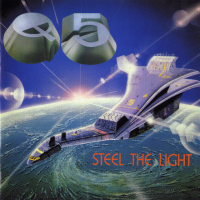
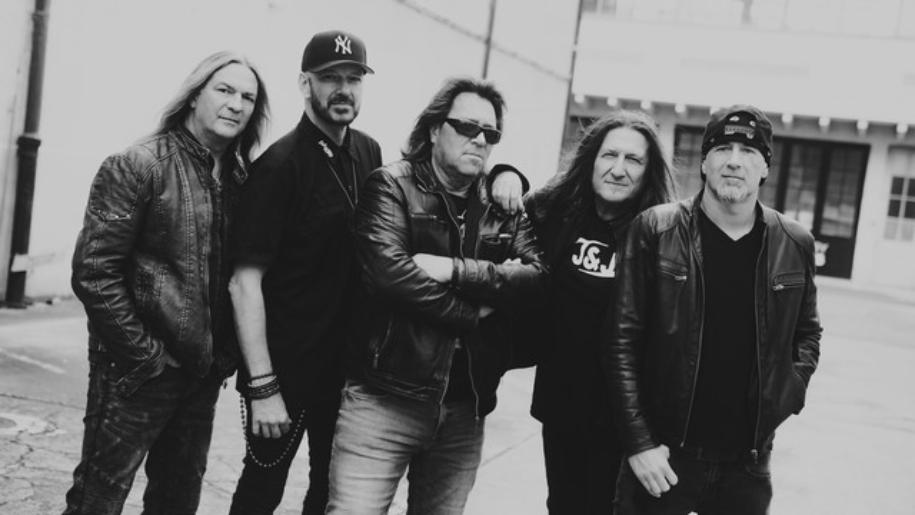
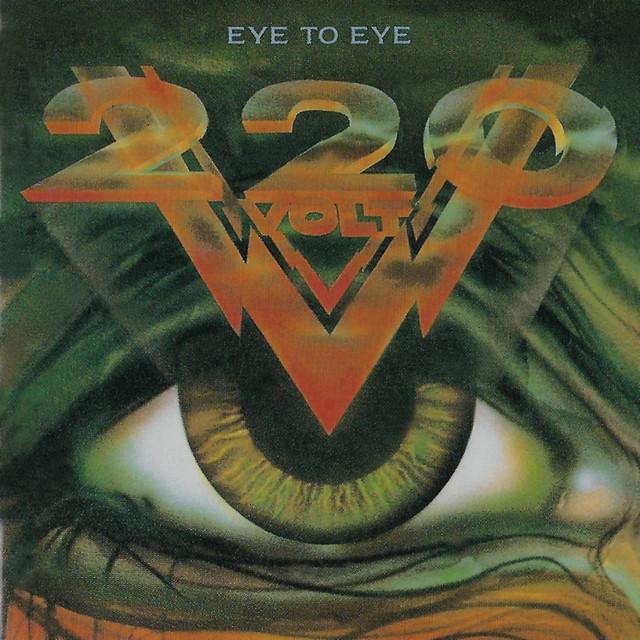
Pink Cream 69’s Spotify BioGerman rockers Pink Cream 69 caught the tail-end of the '80s party-metal boom before adopting a more traditional European hard rock/power metal approach that they would cultivate into the next century. Founded in 1987 by vocalist Andi Deris, guitarist Alfred Koffler, drummer Kosta Zafiriou, and bassist Dennis Ward, the band released their eponymous debut long-player in 1989 via Epic. Deris left the group in 1994 to join Helloween, and was replaced by British vocalist David Readman, who made his first appearance on the group's fourth LP, Change. The band became a five-piece in 2003 with the arrival of second guitarist Uwe Reitenauer, who was hired to help out Alfred Koffler, who was struggling with Focal Dystonia, a neurological condition that made playing difficult -- Reitenauer made his debut on 2007's In10sity. Another lineup change preceded the release of 2013's Ceremonial, which saw the departure of Kosta Zafiriou and the arrival of new drummer Chris Schmidt, who manned the kit on… 2017's Headstrong, the band's 12th full-length outing and first release for Frontiers Records. ~ James Christopher Monger, Rovi
Viberate is a music analytics platform built for A&Rs, artist managers, labels, booking agents, marketers, and artists.
It helps music professionals track artist growth, analyze audience data, monitor playlist activity, compare artists, follow song performance, and identify opportunities across the music market.
Public artist pages provide a free preview of selected artist data. Paid plans provide access to deeper analytics, historical data, charts, comparisons, playlist tools, exports, alerts, reports, and additional professional features.
Yes. Public Viberate artist pages provide selected artist analytics and music data for free.
Viberate also offers a 7-day free trial of the full platform. A credit card is required to start the trial. The trial includes access to the complete product so users can test deeper artist analytics, historical views, playlist insights, comparisons, charts, exports, alerts, and reporting features before choosing a paid plan.
Viberate provides artist analytics across streaming, playlists, social media, video, radio airplay, songs, and audience markets.
Users can analyze Spotify performance, Spotify and Apple Music playlists, YouTube activity, TikTok and Instagram growth, radio spins, song performance, audience locations, demographics, rankings, and overall artist momentum.
Artist profiles also connect to music charts, similar artists, and comparison tools, helping users benchmark performance and evaluate artists in context.
Viberate updates key artist and track data daily.
For followed artists and tracks, selected data is refreshed multiple times per day. This helps teams monitor playlist changes, streaming movement, audience growth, releases, and campaign performance with more current data.
Update frequency can vary depending on the metric and data source.
Yes. Viberate lets users compare up to five artists side by side across streaming, social media, audience, and engagement metrics.
Users can compare fanbase growth, audience demographics, locations, Spotify performance, social metrics, and other artist data over selected time periods.
Artist comparison can be used for A&R scouting, benchmarking, booking decisions, campaign planning, and evaluating artists with similar audiences or market positions.