Pinch

Electronic
Techno
Dubstep
Other Electronic Music
 Viberate Rank: 131890
 Viberate Rank: 131890
 Monthly ListenersFollowers
 Subscribers
 Followers
 Followers
 FansTop Spotify Songs
| Track | 7-Day Streams | |
|---|---|---|
1 | 2.91K | |
2 | 1.14K | |
3 | 677 | |
4 | 337 | |
5 | 312 |
Top YouTube Videos| Video | 7-Day Views | |
|---|---|---|
1 | 231 | |
2 | 30 | |
3 | 27 | |
4 | 19 | |
5 | 4 |
Monthly ListenersFeatured in Playlists| Playlist | Followers | |
|---|---|---|
1 |  Deep Rhythm Focus Spotify | 173.65K |
2 |  The Sound of Everything The Sounds of Spotify | 53.81K |
3 |  PS5 EDM PlayStation®️ | 45.71K |
4 |  DUB, DUBSTEP & REGGAE OMEGA NEBULA | 43.77K |
5 |  Coding Programming Hacking Slashing Techno Tim | 19.79K |
Audience| City | Monthly Listeners | |
|---|---|---|
1 | | 1.25K |
2 |  | 385 |
3 | | 381 |
4 |  | 290 |
5 | | 240 |
See full performance history, audience data, playlist activity, rankings, comparisons, and more in Viberate music analytics. Start with a free trial, then continue with a paid plan.
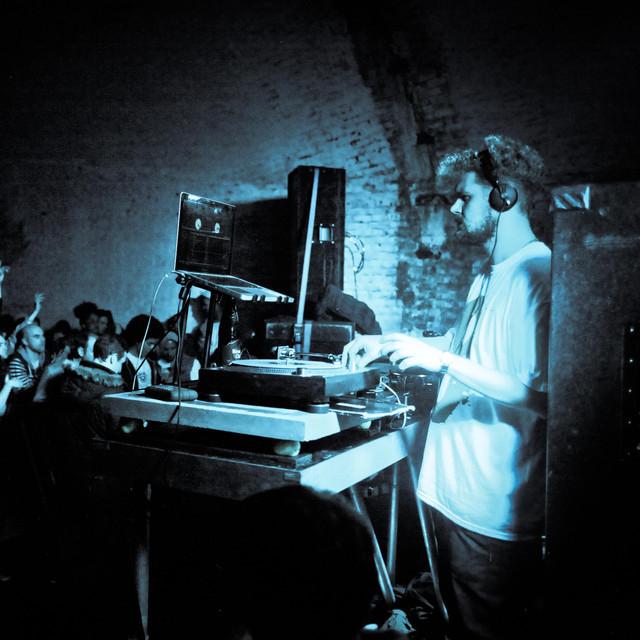
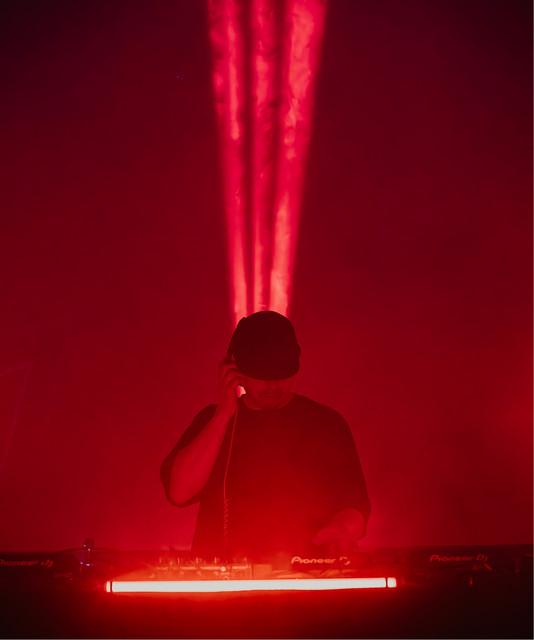
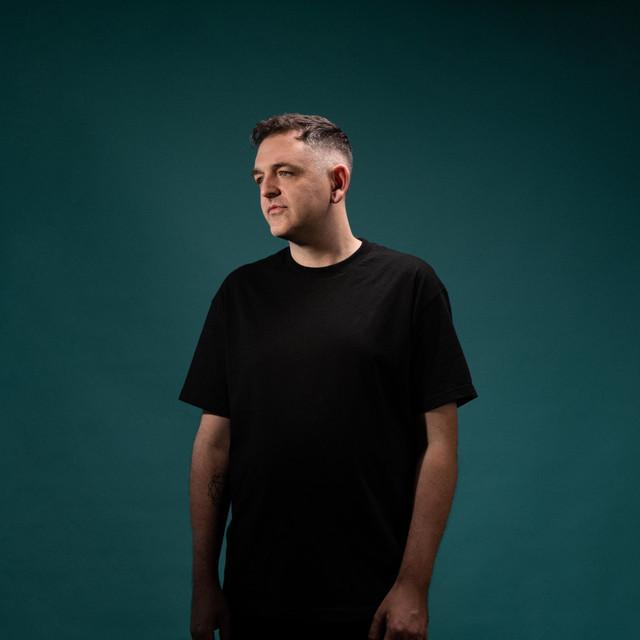
Pinch’s Spotify BioBristol, U.K. resident Pinch (Robert Ellis) is undoubtedly one of the key figures in the development of dubstep, both as a recording artist and as the founder of the Tectonic imprint and the Multiverse family of labels. His deep, spacious, subtle productions have always maintained a reverential connection to dubstep's reggae and dub roots, and he's collaborated with genre pioneers Scientist and Adrian Sherwood as well as younger dancehall vocalists such as New York-based MC Juakali. In addition to numerous 12" singles on labels such as Planet Mu, Punch Drunk, and Swamp 81, he released one of dubstep's first notable full-lengths, 2007's Underwater Dancehall, as well as several well-regarded collaboration albums and mix CDs. His dubplate-centric DJ sets have also received much fanfare, and he's spun sets around the world, from the expected London clubs and BBC radio programs to far-flung regions such as China, Russia, and New Zealand.
In 2004, Ellis co-founded Multiverse along with James… Ginzburg and James Fiddian. The publishing company aimed to provide an outlet for the forward-thinking producers associated with Bristol's underground electronic music scene. Ellis established Tectonic in 2005, with the label's first release being the sparse yet aggressive "War Dub" single, a collaboration between himself and Ginzburg (under the moniker P Dutty). The track caught the attention of Mike Paradinas, whose Planet Mu label was mainly known for releasing IDM and breakcore, but had embraced the emerging grime and dubstep scenes, with releases by Mark One, Vex'd, and Virus Syndicate. In early 2006, Planet Mu released Pinch's "Qawwali," a graceful, meditative track containing an echo-covered harmonium sample from a recording by Pakistani legend Nusrat Fateh Ali Khan. The haunting cut struck a chord with listeners, and became one of the genre's most recognizable and well-loved tunes, up there with Skream's "Midnight Request Line." Pinch became an in-demand DJ and remixer, and his label continued releasing seminal 12"s by producers such as Skream, Distance, and Digital Mystikz, many of which were collected on the Tectonic Plates, Vol. 1 compilation, which included a continuous mix CD by Pinch. He released another successful 12" on Planet Mu, the more sinister "Punisher" (containing a sample from Ed Rush's 1993 dark drum'n'bass classic "Bludclot Artattack"), which was followed by a 12" of remixes from Loefah and Skream.
Pinch released a third Planet Mu 12", the more uptempo "Pepper Spray," in October 2007. The following month, he released his debut album, Underwater Dancehall, on Tectonic. The double CD contained one disc of vocal-driven songs, including "Brighter Day" (a version of "Qawwali" with lyrics by dancehall MC Juakali) and the single "Get Up" (featuring R&B singer Yolanda), and one disc of instrumental versions of the same tunes. The album brought an accessibility to dubstep without watering down its innovative qualities, and was widely acclaimed. Pinch kept progressing from there, continuing to release tracks on labels including Soul Jazz and Tectonic, remixing tracks by Simian Mobile Disco and Gaudi + Nusrat Fateh Ali Khan, and issuing records by 2562, Peverelist, RSD, and others. Pinch and Distance started a side project called Deleted Scenes, debuting with the hair-raising "Memory Loss" 12" in October of 2008. In 2009, Pinch released one more 12" on Planet Mu, "Attack of the Giant Killer Robot Spiders!," and a single of remixes of the enduring "Get Up" appeared on Tectonic. Tectonic Plates, Vol. 2 was also released that year, containing tracks by Benga, Flying Lotus, and Martyn, as well as a continuous mix by Pinch.
Around 2010, Pinch's tracks began to merge dubstep with deep, dubby techno, with "Croydon House" on Swamp 81 being a notable example. In 2011, he collaborated with Shackleton for a dark, cavernous album on Honest Jon's Records. The following year, he worked with drum'n'bass pioneer Photek, who began to embrace the dubstep sound, on a 12" called "Acid Reign." He also contributed a volume to Fabric's long-running mix CD series (Fabriclive 61), and issued Missing in Action: A Collection of Selected Tracks, B-Sides and Remixes from 2006-2010 on Tectonic. The year 2013 saw the release of "Shoulda Rolla," a collaboration with U.K. garage producer Roska, also on Tectonic. Pinch also began collaborating with veteran producer Adrian Sherwood, releasing two vocal-driven 12"s on both Tectonic and Sherwood's On-U Sound. Also in 2013, Pinch started a new label, Cold Recordings, which focused more on techno and the general U.K. hardcore continuum, and primarily released singles by lesser-known artists such as Ipman and Elmono.
In 2014, Pinch began collaborating with genre-defying producer Mumdance, beginning with the 12" single "Turbo Mitzi" and continuing with the mix CD Pinch B2B Mumdance, both on Tectonic. Sherwood & Pinch's first joint full-length, Late Night Endless, appeared in early 2015, and Pinch and Mumdance continued releasing tracks, including "Big Slug," featuring grime MC Riko Dan. Another track with Riko Dan, "Screamer," appeared on Tectonic in early 2016. In 2017, Sherwood & Pinch released their second full-length collaboration, Man vs. Sofa. The album included contributions from Martin Duffy (Primal Scream, Felt), longtime Sherwood collaborator Skip McDonald (Little Axe, Tackhead), and the inimitable Lee "Scratch" Perry. Despite a multitude of collaborative work, it had been over a decade since his debut solo album, Underwater Dancehall, although that changed in 2020 upon the release of Reality Tunnels, a record which found Ellis reflecting on the evolution of the genres he helped to pioneer; the album saw a host of guest features, including appearances from Trim, Killa P, and Emika. ~ Paul Simpson, Rovi
Viberate is a music analytics platform built for A&Rs, artist managers, labels, booking agents, marketers, and artists.
It helps music professionals track artist growth, analyze audience data, monitor playlist activity, compare artists, follow song performance, and identify opportunities across the music market.
Public artist pages provide a free preview of selected artist data. Paid plans provide access to deeper analytics, historical data, charts, comparisons, playlist tools, exports, alerts, reports, and additional professional features.
Yes. Public Viberate artist pages provide selected artist analytics and music data for free.
Viberate also offers a 7-day free trial of the full platform. A credit card is required to start the trial. The trial includes access to the complete product so users can test deeper artist analytics, historical views, playlist insights, comparisons, charts, exports, alerts, and reporting features before choosing a paid plan.
Viberate provides artist analytics across streaming, playlists, social media, video, radio airplay, songs, and audience markets.
Users can analyze Spotify performance, Spotify and Apple Music playlists, YouTube activity, TikTok and Instagram growth, radio spins, song performance, audience locations, demographics, rankings, and overall artist momentum.
Artist profiles also connect to music charts, similar artists, and comparison tools, helping users benchmark performance and evaluate artists in context.
Viberate updates key artist and track data daily.
For followed artists and tracks, selected data is refreshed multiple times per day. This helps teams monitor playlist changes, streaming movement, audience growth, releases, and campaign performance with more current data.
Update frequency can vary depending on the metric and data source.
Yes. Viberate lets users compare up to five artists side by side across streaming, social media, audience, and engagement metrics.
Users can compare fanbase growth, audience demographics, locations, Spotify performance, social metrics, and other artist data over selected time periods.
Artist comparison can be used for A&R scouting, benchmarking, booking decisions, campaign planning, and evaluating artists with similar audiences or market positions.