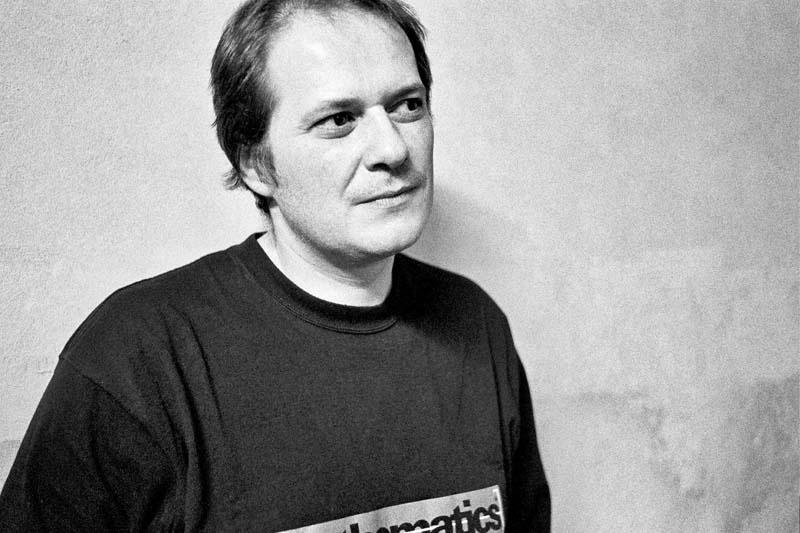
Pimmon

Electronic
Other Electronic Music
Psychedelic Rock
 Viberate Rank: 636402
 Viberate Rank: 636402
 Monthly ListenersFollowers
 Subscribers
 Followers
 Followers
 FansTop Spotify Songs
| Track | 7-Day Streams | |
|---|---|---|
1 | 9 | |
2 | 8 | |
3 | 8 | |
4 | 6 | |
5 | 6 |
Top YouTube VideosMonthly ListenersFeatured in Playlists| Playlist | Followers | |
|---|---|---|
1 |  Studying - drone/ambient Ua Fairbanks | 2.31K |
2 |  The Sound of Glitch The Sounds of Spotify | 1.25K |
Audience| City | Monthly Listeners | |
|---|---|---|
1 |  | 3 |
2 |  | 3 |
3 |  | 3 |
See full performance history, audience data, playlist activity, rankings, comparisons, and more in Viberate music analytics. Start with a free trial, then continue with a paid plan.
Pimmon’s Spotify BioThe folded and chopped, glitchy ambient of Sydney, Australia's Paul Gough and his Pimmon project can be traced back to a mid-'80s obsession with Severed Heads and a self-released cassette packaged in a mangled safety boot wrapped in plastic. Raising a family in the suburbs of Sydney, Gough found work as a senior engineer for a popular radio station but continued creating experimental laptop electronica in his home studio. After the non-response to his first cassette, Gough sat on his recordings at first, but a hesitant entry into a turntablist exhibition at the Tenement Gallery in Melbourne changed everything. At the urging of the galleries owners, Gough sent a CD-R to the Japanese Meme label. Meme released Pimmon's debut Waves and Particles in 1999 and Kid 606 offered Gough a deal with his Tigerbeat 6 label after hearing an Internet broadcast of the album. 2001 saw the release of Electronic Tax Return on Tigerbeat 6 and the CD and MP3 set Assembler on the English label Fallt. Live… appearances around the world followed along with releases on Staalplaat and Sirr afterward. Pimmon's relationship with Tigebeat 6 resumed with the release of Snaps Crackles Pops in 2003. ~ David Jeffries, Rovi
Viberate is a music analytics platform built for A&Rs, artist managers, labels, booking agents, marketers, and artists.
It helps music professionals track artist growth, analyze audience data, monitor playlist activity, compare artists, follow song performance, and identify opportunities across the music market.
Public artist pages provide a free preview of selected artist data. Paid plans provide access to deeper analytics, historical data, charts, comparisons, playlist tools, exports, alerts, reports, and additional professional features.
Yes. Public Viberate artist pages provide selected artist analytics and music data for free.
Viberate also offers a 7-day free trial of the full platform. A credit card is required to start the trial. The trial includes access to the complete product so users can test deeper artist analytics, historical views, playlist insights, comparisons, charts, exports, alerts, and reporting features before choosing a paid plan.
Viberate provides artist analytics across streaming, playlists, social media, video, radio airplay, songs, and audience markets.
Users can analyze Spotify performance, Spotify and Apple Music playlists, YouTube activity, TikTok and Instagram growth, radio spins, song performance, audience locations, demographics, rankings, and overall artist momentum.
Artist profiles also connect to music charts, similar artists, and comparison tools, helping users benchmark performance and evaluate artists in context.
Viberate updates key artist and track data daily.
For followed artists and tracks, selected data is refreshed multiple times per day. This helps teams monitor playlist changes, streaming movement, audience growth, releases, and campaign performance with more current data.
Update frequency can vary depending on the metric and data source.
Yes. Viberate lets users compare up to five artists side by side across streaming, social media, audience, and engagement metrics.
Users can compare fanbase growth, audience demographics, locations, Spotify performance, social metrics, and other artist data over selected time periods.
Artist comparison can be used for A&R scouting, benchmarking, booking decisions, campaign planning, and evaluating artists with similar audiences or market positions.