Pile

Rock
Alternative Rock
Noise Rock
 Viberate Rank: 103290
 Viberate Rank: 103290
 Monthly ListenersFollowers
 Subscribers
 Followers
 Followers
 FansTop Spotify Songs
| Track | 7-Day Streams | |
|---|---|---|
1 | 3.26K | |
2 | 3.24K | |
3 | 1.89K | |
4 | 1.64K | |
5 | 1.59K |
Top YouTube VideosMonthly ListenersFeatured in Playlists| Playlist | Followers | |
|---|---|---|
1 |  adrenaline Spotify | 874.20K |
2 |  Noisy Spotify | 295.07K |
3 |  Midwest Emo Classics Mike | 63.09K |
4 |  Compact Cassette David Dean Burkhart | 60.73K |
5 |  WonkoFM WonkoTheSane | 21.06K |
Audience| City | Monthly Listeners | |
|---|---|---|
1 | | 844 |
2 | | 742 |
3 | | 638 |
4 | | 619 |
5 | | 597 |
See full performance history, audience data, playlist activity, rankings, comparisons, and more in Viberate music analytics. Start with a free trial, then continue with a paid plan.
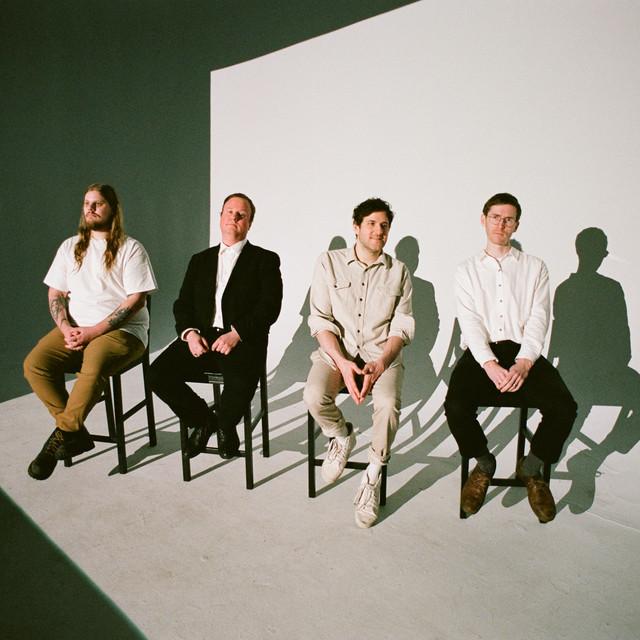
Pile’s Spotify Bio"A Million Sweaty Punks Can't Be Wrong" about Pile, says SPIN magazine. From their earliest days as the solo project of frontman Rick Maguire, Pile have followed an unusual path through an era in which rock bands have generally receded from the cultural spotlight. Starting out in 2007, in the then thriving Boston DIY scene, the band rapidly became heroes and standard-bearers for their hometown’s music community, garnering a cultish-adoration that has only intensified as that cult has grown, expanding by word of mouth across the country and throughout the globe.
For fifteen years Pile’s evolving take on rock has earned the group one oft-repeated superlative: “your favorite band’s favorite band.” Ceaseless touring, writing, recording, and touring took its members from Boston’s basement circuit to international festivals, hitting loftier technical apexes with each new record, and firmly establishing them as standard bearers of the American rock underground. Sunshine and Balance Beams,… Pile's ninth studio album, is out August 15, 2025 on Sooper Records. The band will immediately embark on a 37 city North American Tour, and a 25 City EU / UK Tour in support of the album. They hope to see you there. Tickets, merch, and other info can be found at pilemusic.com.
Pile is Rick Maguire, Kris Kuss, Matt Connery, and Alex Molini.
Viberate is a music analytics platform built for A&Rs, artist managers, labels, booking agents, marketers, and artists.
It helps music professionals track artist growth, analyze audience data, monitor playlist activity, compare artists, follow song performance, and identify opportunities across the music market.
Public artist pages provide a free preview of selected artist data. Paid plans provide access to deeper analytics, historical data, charts, comparisons, playlist tools, exports, alerts, reports, and additional professional features.
Yes. Public Viberate artist pages provide selected artist analytics and music data for free.
Viberate also offers a 7-day free trial of the full platform. A credit card is required to start the trial. The trial includes access to the complete product so users can test deeper artist analytics, historical views, playlist insights, comparisons, charts, exports, alerts, and reporting features before choosing a paid plan.
Viberate provides artist analytics across streaming, playlists, social media, video, radio airplay, songs, and audience markets.
Users can analyze Spotify performance, Spotify and Apple Music playlists, YouTube activity, TikTok and Instagram growth, radio spins, song performance, audience locations, demographics, rankings, and overall artist momentum.
Artist profiles also connect to music charts, similar artists, and comparison tools, helping users benchmark performance and evaluate artists in context.
Viberate updates key artist and track data daily.
For followed artists and tracks, selected data is refreshed multiple times per day. This helps teams monitor playlist changes, streaming movement, audience growth, releases, and campaign performance with more current data.
Update frequency can vary depending on the metric and data source.
Yes. Viberate lets users compare up to five artists side by side across streaming, social media, audience, and engagement metrics.
Users can compare fanbase growth, audience demographics, locations, Spotify performance, social metrics, and other artist data over selected time periods.
Artist comparison can be used for A&R scouting, benchmarking, booking decisions, campaign planning, and evaluating artists with similar audiences or market positions.