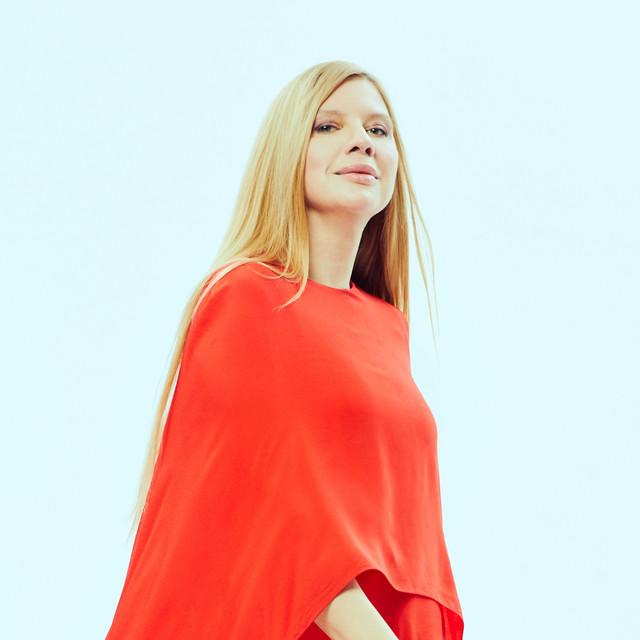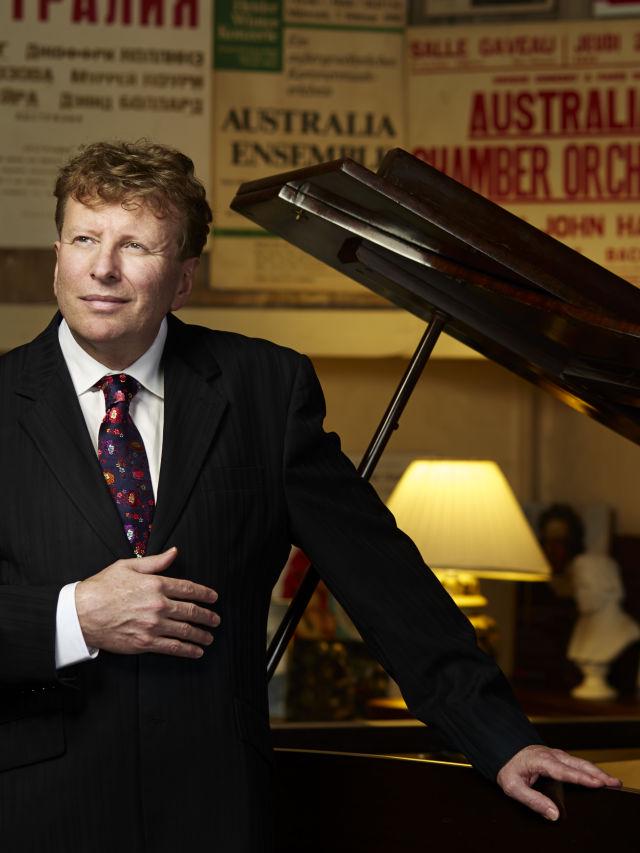
Piers Lane

Classical
Chamber Music
Orchestral
 Viberate Rank: 118798
 Viberate Rank: 118798
 Monthly ListenersFollowers
 Subscribers
 Followers
 Followers
 FansTop Spotify SongsTop YouTube VideosMonthly ListenersFeatured in Playlists
| Playlist | Followers | |
|---|---|---|
1 |  Classical Essentials Spotify | 3.82M |
2 |  Dark Academia Classical Spotify | 1.01M |
3 |  Morning Classical Spotify | 460.17K |
4 |  Música Clásica Que Sí Es Clásica José Gonzales | 339.76K |
5 |  Classical Garden Spotify | 244.62K |
Audience| City | Monthly Listeners | |
|---|---|---|
1 |  | 8.27K |
2 |  | 7.51K |
3 |  | 6.18K |
4 |  | 5.72K |
5 | | 5.40K |
See full performance history, audience data, playlist activity, rankings, comparisons, and more in Viberate music analytics. Start with a free trial, then continue with a paid plan.
Piers Lane’s Spotify BioPianist Piers Lane possesses a vast repertory of solo, chamber, and concertante works, which he has performed in more than 40 countries and on over 50 recordings. While he plays many standards by Mozart, Beethoven, Chopin, and Rachmaninov, he is unafraid to perform works by little-known composers.
Lane was born in London on January 8, 1958, and was raised in Brisbane, Australia. His parents were both pianists and young Piers showed rare talent early on. At age 12, he gave a broadcast recital over Australia's ABC Radio. Lane studied piano at the Brisbane Conservatorium with Nancy Weir. In 1977, he entered the Sydney International Piano Competition, and while he did not finish among the top prize-winners, he was named Best Australian Pianist. He later studied with Bela Siki at the University of Washington and at London's Royal College of Music, where his teachers included Yonty Solomon and Kendall Taylor. While making London his home, Lane steadily built his career in the 1980s. The Royal… Overseas League named him Outstanding Musician of the Year in 1982. He made an acclaimed tour of Latin America in 1989, and that same year became professor of piano at London's prestigious Royal Academy of Music.
Lane's tendency to take risks has spilled over even into major concert appearances: at his 1991 Wigmore Hall recital, he performed two Schnittke works, Variations on a Chord and Improvisations and Fugue, and at his 2006 appearance at Lincoln Center with the American Symphony Orchestra, Lane played the lengthy and rarely heard piano concerto of Arthur Bliss. In the chamber realm, Lane has regularly collaborated with violinist Tasmin Little, cellist Alexander Baillie, and clarinetist Michael Collins. Lane has made numerous major concert tours since the 1990s as his recordings were also drawing notice, like the complete Scriabin etudes (1993) and the complete Saint-Saëns etudes (1998), both on Hyperion. Lane made over 100 appearances on BBC Radio 3, most notably as the presenter and writer of the ambitious 54-part broadcast series The Piano.
Lane has made numerous recordings in the Romantic Concerto Series for the Hyperion label, performing concertos by the likes of Stanford, Parry, Sinding, Alexander Dreyschock, and other neglected composers. Besides Hyperion, Lane has recorded for EMI, Danacord, Chandos, and other major labels. In the new century, Lane has continued apace with successful major debuts and recordings. His 2004 debut at Lincoln Center led to his acclaimed return concert in 2006 with the Bliss concerto. In 2007, Lane accepted the post of artistic director of the Australian Festival of Chamber Music, holding this position until 2017. He served in the same capacity for the Myra Hess Day celebrations at London's National Gallery from 2006 until 2013. At the 2009 events, he performed music by Beethoven, Schubert, Brahms, and other composers as actress Patricia Routledge portrayed Hess in a theater work devised by Hess' great-nephew, Nigel Hess. The event was so successful that further performances by Lane and Routledge were given throughout England and Europe. Lane was named the artistic director of the Sydney International Piano Competition in 2016. In 2020, he released several albums, including Hyperion's 81st volume of the Romantic Concerto Series, and he accompanied Little on Chandos' third volume in the British Violin Sonatas Series. Lane returned in 2023 on Hyperion with the album Piers Lane Goes to Town Again, a sequel to 2013's Piers Lane Goes to Town; both albums featured short encore-type pieces, some of them influenced by or coming from the realm of popular music. By that time, Lane's recording catalog comprised some 60 items. ~ TiVo Staff, Rovi
Viberate is a music analytics platform built for A&Rs, artist managers, labels, booking agents, marketers, and artists.
It helps music professionals track artist growth, analyze audience data, monitor playlist activity, compare artists, follow song performance, and identify opportunities across the music market.
Public artist pages provide a free preview of selected artist data. Paid plans provide access to deeper analytics, historical data, charts, comparisons, playlist tools, exports, alerts, reports, and additional professional features.
Yes. Public Viberate artist pages provide selected artist analytics and music data for free.
Viberate also offers a 7-day free trial of the full platform. A credit card is required to start the trial. The trial includes access to the complete product so users can test deeper artist analytics, historical views, playlist insights, comparisons, charts, exports, alerts, and reporting features before choosing a paid plan.
Viberate provides artist analytics across streaming, playlists, social media, video, radio airplay, songs, and audience markets.
Users can analyze Spotify performance, Spotify and Apple Music playlists, YouTube activity, TikTok and Instagram growth, radio spins, song performance, audience locations, demographics, rankings, and overall artist momentum.
Artist profiles also connect to music charts, similar artists, and comparison tools, helping users benchmark performance and evaluate artists in context.
Viberate updates key artist and track data daily.
For followed artists and tracks, selected data is refreshed multiple times per day. This helps teams monitor playlist changes, streaming movement, audience growth, releases, and campaign performance with more current data.
Update frequency can vary depending on the metric and data source.
Yes. Viberate lets users compare up to five artists side by side across streaming, social media, audience, and engagement metrics.
Users can compare fanbase growth, audience demographics, locations, Spotify performance, social metrics, and other artist data over selected time periods.
Artist comparison can be used for A&R scouting, benchmarking, booking decisions, campaign planning, and evaluating artists with similar audiences or market positions.