Phobia

Metal
Grindcore
 Viberate Rank: 152189
 Viberate Rank: 152189
 Monthly ListenersFollowers
 Subscribers
 Followers
 Followers
 FansTop Spotify Songs
| Track | 7-Day Streams | |
|---|---|---|
1 | 3.67K | |
2 | 385 | |
3 | 360 | |
4 | 243 | |
5 | 241 |
Top YouTube VideosMonthly ListenersFeatured in Playlists| Playlist | Followers | |
|---|---|---|
1 |  Death Metal Classics @MansenSankari | 127.47K |
2 |  The Sound of Everything The Sounds of Spotify | 53.81K |
3 |  LFERDA🎃 Smaeel | 32.00K |
4 |  RAP Morocco 🇲🇦 𝘙 𝘈 𝘚 𝘏 𝘐 𝘋 | 21.13K |
5 |  GRINDCORE TeoDaCasteo | 16.57K |
Audience| City | Monthly Listeners | |
|---|---|---|
1 | | 115 |
2 |  | 69 |
3 |  | 54 |
4 | | 51 |
5 | | 48 |
See full performance history, audience data, playlist activity, rankings, comparisons, and more in Viberate music analytics. Start with a free trial, then continue with a paid plan.
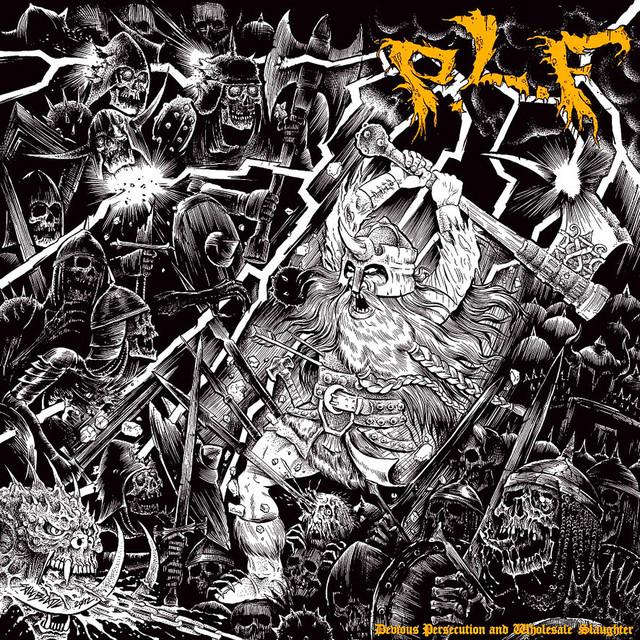
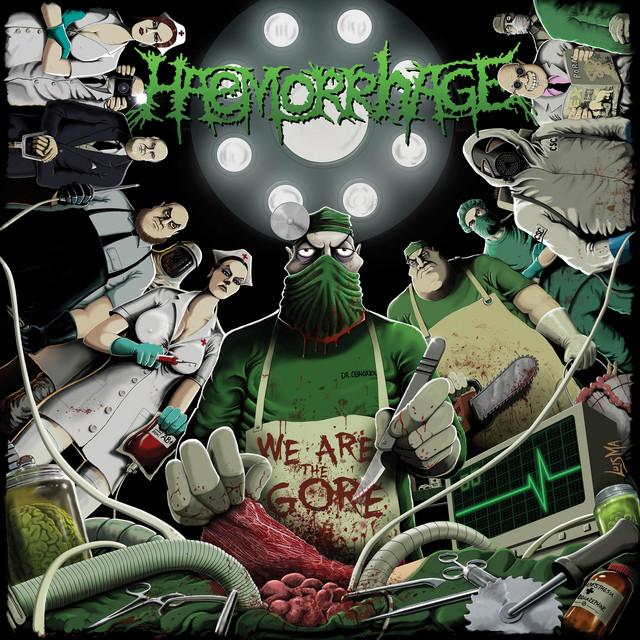
Phobia’s Spotify BioA band on a mission to show that not all is sunny and bright in its native Orange County, California (or anywhere else on the planet, for that matter), Phobia are a grindcore/crust-punk outfit founded in 1990 by vocalist Shane McLachlan (who also picks up guitars, bass, and drums, as needed in the studio), guitarists Bruce Reeves and Zach Southall, and drummer Marco Soriano -- the first of many lineups. Still, personnel turnover never affected Phobia's relentless touring and recording schedules, which have seen them crisscross the U.S., Europe, and elsewhere, and have included numerous singles, EPs, and a slew of albums (short on length, but long on track listings) in 1998's Means of Existence, 2001's Serenity Through Pain, 2003's Grind Your Fucking Head In, 2006's Cruel, and 2008's 22 Random Acts of Violence. In 2010, Phobia -- now featuring McLachlan, guitarist Steve Burda, bassist Calum MacKenzie, and drummer Bryan Fajardo -- renewed their ties to their original label, Relapse… Records, and unleashed a new EP entitled Unrelenting. The full-length Remnants of Filth and the Grindcore EP arrived in 2012 and 2014, respectively, and in 2017 the band released the sprawling four-disc box set/compilation Decades of Blastphemy. The politically charged Lifeless God was issued the following year via Willowtip. ~ Eduardo Rivadavia, Rovi
Viberate is a music analytics platform built for A&Rs, artist managers, labels, booking agents, marketers, and artists.
It helps music professionals track artist growth, analyze audience data, monitor playlist activity, compare artists, follow song performance, and identify opportunities across the music market.
Public artist pages provide a free preview of selected artist data. Paid plans provide access to deeper analytics, historical data, charts, comparisons, playlist tools, exports, alerts, reports, and additional professional features.
Yes. Public Viberate artist pages provide selected artist analytics and music data for free.
Viberate also offers a 7-day free trial of the full platform. A credit card is required to start the trial. The trial includes access to the complete product so users can test deeper artist analytics, historical views, playlist insights, comparisons, charts, exports, alerts, and reporting features before choosing a paid plan.
Viberate provides artist analytics across streaming, playlists, social media, video, radio airplay, songs, and audience markets.
Users can analyze Spotify performance, Spotify and Apple Music playlists, YouTube activity, TikTok and Instagram growth, radio spins, song performance, audience locations, demographics, rankings, and overall artist momentum.
Artist profiles also connect to music charts, similar artists, and comparison tools, helping users benchmark performance and evaluate artists in context.
Viberate updates key artist and track data daily.
For followed artists and tracks, selected data is refreshed multiple times per day. This helps teams monitor playlist changes, streaming movement, audience growth, releases, and campaign performance with more current data.
Update frequency can vary depending on the metric and data source.
Yes. Viberate lets users compare up to five artists side by side across streaming, social media, audience, and engagement metrics.
Users can compare fanbase growth, audience demographics, locations, Spotify performance, social metrics, and other artist data over selected time periods.
Artist comparison can be used for A&R scouting, benchmarking, booking decisions, campaign planning, and evaluating artists with similar audiences or market positions.