Philipp Rumsch Ensemble

Electronic
Downtempo
Other European Music
 Viberate Rank: 925301
 Viberate Rank: 925301
 Monthly ListenersFollowers
 Subscribers
 Followers
 Followers
 FansTop Spotify Songs
| Track | 7-Day Streams | |
|---|---|---|
1 | 7 | |
2 | 6 | |
3 | 6 | |
4 | 5 | |
5 | 3 |
Top YouTube VideosMonthly ListenersFeatured in Playlists| Playlist | Followers | |
|---|---|---|
1 |  Fusion Festival 2023 holly_california | 5.19K |
2 |  Contemporary Classical / Piano / Post-Classical Robby Gilson | 2.98K |
Audience| City | Monthly Listeners | |
|---|---|---|
1 | | 5 |
2 | | 3 |
3 | | 3 |
See full performance history, audience data, playlist activity, rankings, comparisons, and more in Viberate music analytics. Start with a free trial, then continue with a paid plan.
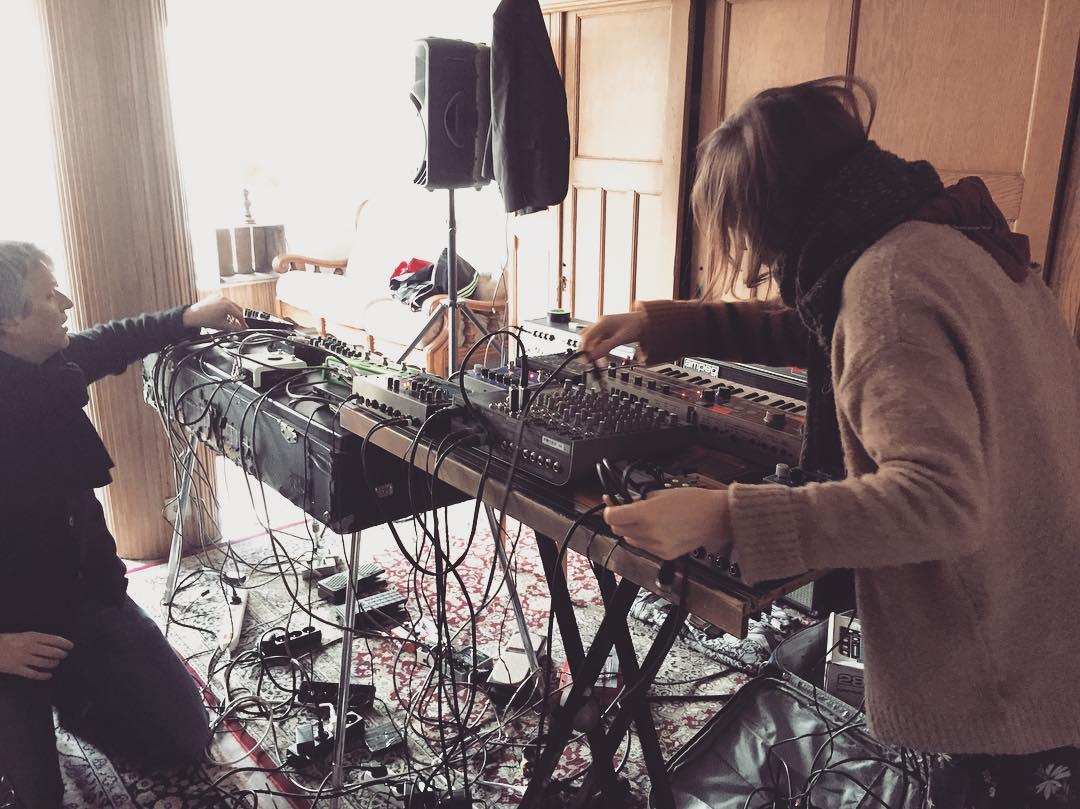
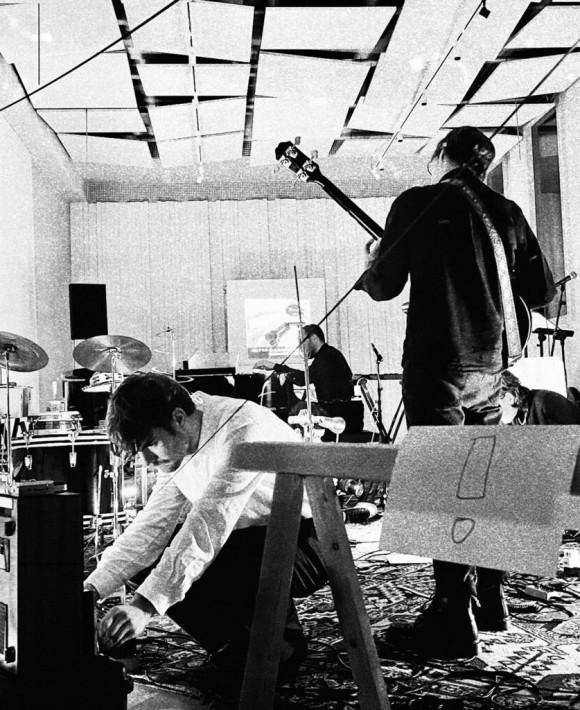
Philipp Rumsch Ensemble’s Spotify BioBased on the idea of transferring the sound language of Ambient, Minimal Music and Avant-Pop into an orchestral format, Leipzig-based pianist, composer and sound designer Philipp Rumsch founded his own ensemble in 2015. This ensemble consists of twelve artists working in various musical contexts and environments.
After his last LP Reflections (2018), Philipp Rumsch deals on his third Denovali release µ: of anxiety x discernment with the subject of anxiety. Based on his own researches, observations and interviews he made, Rumsch develops a multi-dimensional picture of this complex emotional state. Individual experience dissolves in order to explore a collective perception of this phenomena. To achieve an extraordinary listening experience, specialized artificial heads were used to record in binaural stereo.
µ: of anxiety x discernment was mastered by Valgeir Sigurðsson (collaborations with Björk, Sigur Rós, Ben Frost, Nico Muhly, Hildur Guðnadóttir et al.) who already was part of the… production process of Philipp Rumsch’s Solo-EP A Forward-Facing Review. The release of the album in April 2020 was praised by both the audience and various press institutions such as BBC, Electronic Sounds, NDR and Radioeins.
Viberate is a music analytics platform built for A&Rs, artist managers, labels, booking agents, marketers, and artists.
It helps music professionals track artist growth, analyze audience data, monitor playlist activity, compare artists, follow song performance, and identify opportunities across the music market.
Public artist pages provide a free preview of selected artist data. Paid plans provide access to deeper analytics, historical data, charts, comparisons, playlist tools, exports, alerts, reports, and additional professional features.
Yes. Public Viberate artist pages provide selected artist analytics and music data for free.
Viberate also offers a 7-day free trial of the full platform. A credit card is required to start the trial. The trial includes access to the complete product so users can test deeper artist analytics, historical views, playlist insights, comparisons, charts, exports, alerts, and reporting features before choosing a paid plan.
Viberate provides artist analytics across streaming, playlists, social media, video, radio airplay, songs, and audience markets.
Users can analyze Spotify performance, Spotify and Apple Music playlists, YouTube activity, TikTok and Instagram growth, radio spins, song performance, audience locations, demographics, rankings, and overall artist momentum.
Artist profiles also connect to music charts, similar artists, and comparison tools, helping users benchmark performance and evaluate artists in context.
Viberate updates key artist and track data daily.
For followed artists and tracks, selected data is refreshed multiple times per day. This helps teams monitor playlist changes, streaming movement, audience growth, releases, and campaign performance with more current data.
Update frequency can vary depending on the metric and data source.
Yes. Viberate lets users compare up to five artists side by side across streaming, social media, audience, and engagement metrics.
Users can compare fanbase growth, audience demographics, locations, Spotify performance, social metrics, and other artist data over selected time periods.
Artist comparison can be used for A&R scouting, benchmarking, booking decisions, campaign planning, and evaluating artists with similar audiences or market positions.