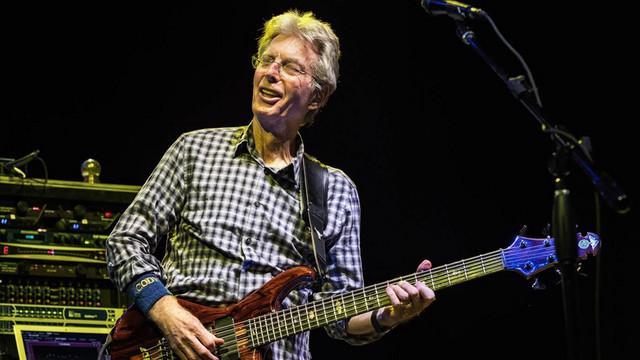
Phil Lesh

Rock
Funk Rock
Psychedelic Rock
 Viberate Rank: 214952
 Viberate Rank: 214952
 Monthly ListenersFollowers
 Subscribers
 Followers
 Followers
 FansTop Spotify Songs
| Track | 7-Day Streams | |
|---|---|---|
1 | 95 | |
2 | 80 | |
3 | 58 | |
4 | 49 | |
5 | 48 |
Top YouTube VideosMonthly ListenersFeatured in Playlists| Playlist | Followers | |
|---|---|---|
1 |  Newport Folk Festival 2019 Newport Folk Festival | 8.97K |
2 | Jazz Fusion, Progressive Rock, & Jam Bands Curator Seedpicker | 7.16K |
3 | Hiking Muse Chris Hillis | 6.52K |
4 | Jam Bands oldrow | 4.18K |
5 |  Clegg's Choice Nuggs John Taylor | 3.69K |
Audience| City | Monthly Listeners | |
|---|---|---|
1 | | 13 |
2 | | 13 |
3 | | 11 |
4 | | 9 |
5 | | 8 |
See full performance history, audience data, playlist activity, rankings, comparisons, and more in Viberate music analytics. Start with a free trial, then continue with a paid plan.
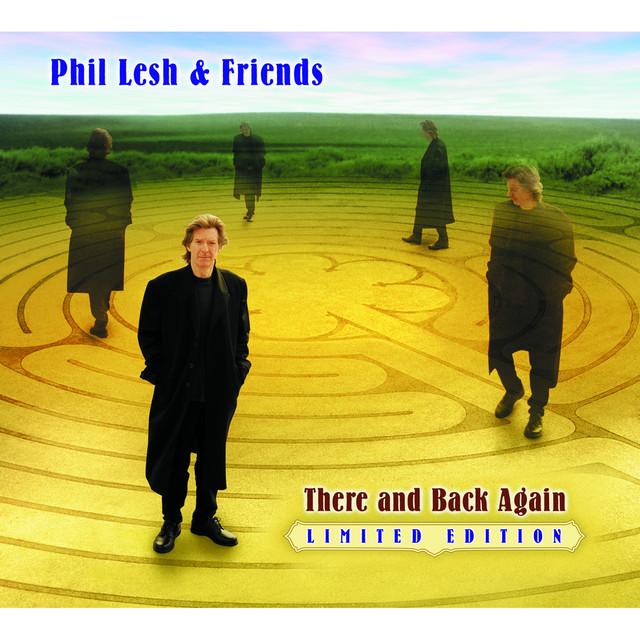
Phil Lesh’s Spotify BioFamed for his three-decade stint as the bassist with the Grateful Dead, Phil Lesh was born March 15, 1940, in Berkeley, California; rooted in jazz and classical performance, he initially explored the violin and trumpet and, while attending Mills College, studied avant-garde composition and electronic music under the tutelage of Luciano Berio. In 1965, Lesh joined his friend Jerry Garcia's band the Warlocks, soon rechristened the Grateful Dead. He remained with the group for the remainder of its existence, becoming a fan favorite as much for his distinctive bass playing as for his single-minded devotion to the Dead's music (no long-term side projects) and custodianship of their recorded archives, overseeing the quality of each legitimate live release. After Garcia's 1995 death spelled the end of the Dead as a touring entity, Lesh reunited with bandmates Bob Weir and Mickey Hart in the Other Ones, which headlined the 1998 Further Festival. Later that year he learned he was in need of a… liver transplant, he successfully underwent surgery in December. The Sunday before he went under, Deadheads across the globe joined in Five Minutes for Phil, a worldwide prayer circle he later credited as a major factor in his speedy recovery. Lesh hit the road in 1999 as headliner, issuing his solo debut, Love Will See You Through, in the autumn. The live album was a success, so after extensive touring he settled back into the studio for his first studio-recorded album since his days in the Dead. The result, There and Back Again, was released in the spring of 2002. Lesh has since toured as Phil Lesh & Friends. Several live albums were released in 2006, including Live at the Warfield from Image Records, and a stop-by-stop series from Instant Live Records that covered his tour that year. In 2012, he opened a venue in San Raphael, California, called Terrapin Crossroads, where his band Phil Lesh & Friends often played, as well as a variety of Dead-related acts. It would be the hub of his creative activities until it closed in 2021, though Lesh continued to book concerts periodically. He died on October 25, 2024, at the age of 84. ~ Jason Ankeny, Rovi
Viberate is a music analytics platform built for A&Rs, artist managers, labels, booking agents, marketers, and artists.
It helps music professionals track artist growth, analyze audience data, monitor playlist activity, compare artists, follow song performance, and identify opportunities across the music market.
Public artist pages provide a free preview of selected artist data. Paid plans provide access to deeper analytics, historical data, charts, comparisons, playlist tools, exports, alerts, reports, and additional professional features.
Yes. Public Viberate artist pages provide selected artist analytics and music data for free.
Viberate also offers a 7-day free trial of the full platform. A credit card is required to start the trial. The trial includes access to the complete product so users can test deeper artist analytics, historical views, playlist insights, comparisons, charts, exports, alerts, and reporting features before choosing a paid plan.
Viberate provides artist analytics across streaming, playlists, social media, video, radio airplay, songs, and audience markets.
Users can analyze Spotify performance, Spotify and Apple Music playlists, YouTube activity, TikTok and Instagram growth, radio spins, song performance, audience locations, demographics, rankings, and overall artist momentum.
Artist profiles also connect to music charts, similar artists, and comparison tools, helping users benchmark performance and evaluate artists in context.
Viberate updates key artist and track data daily.
For followed artists and tracks, selected data is refreshed multiple times per day. This helps teams monitor playlist changes, streaming movement, audience growth, releases, and campaign performance with more current data.
Update frequency can vary depending on the metric and data source.
Yes. Viberate lets users compare up to five artists side by side across streaming, social media, audience, and engagement metrics.
Users can compare fanbase growth, audience demographics, locations, Spotify performance, social metrics, and other artist data over selected time periods.
Artist comparison can be used for A&R scouting, benchmarking, booking decisions, campaign planning, and evaluating artists with similar audiences or market positions.