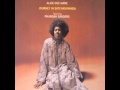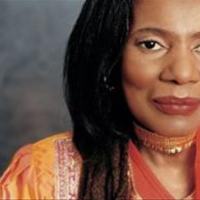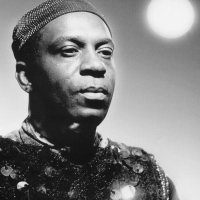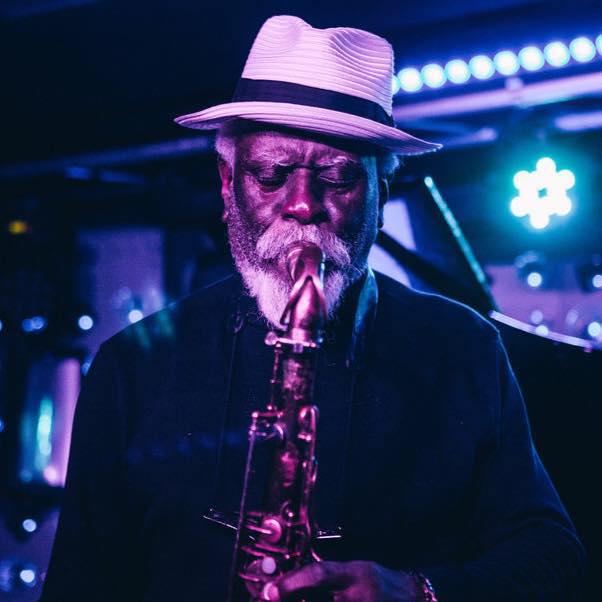
Pharoah Sanders

Jazz
Free Jazz
Avant-garde Jazz
 Viberate Rank: 40361
 Viberate Rank: 40361
 Monthly ListenersFollowers
 Subscribers
 Followers
 Followers
 FansTop Spotify Songs
| Track | 7-Day Streams | |
|---|---|---|
1 | 45.57K | |
2 | 28.50K | |
3 | 18.28K | |
4 | 14.78K | |
5 | 13.70K |
Top YouTube Videos| Video | 7-Day Views | |
|---|---|---|
1 | 2.57K | |
2 | 831 | |
3 | 470 | |
4 | 399 | |
5 | 381 |
Monthly ListenersFeatured in Playlists| Playlist | Followers | |
|---|---|---|
1 |  Jazz Classics Spotify | 5.08M |
2 |  Women of Jazz Spotify | 865.65K |
3 |  66 GREENE _BY.ALEXANDER | 396.42K |
4 |  Barack Obama's 2024 Summer Playlist Spotify | 268.51K |
5 |  🪐🪐🪐🪐🪐🪐🪐🪐☼:̴͓̞̑̌̂̆̊͋̀:̸͎̟̯̂̓̌:̶̢͙͙͕̠̩͆ ⃝🟠 ̴̤̻̀(̵̙̺̳̩͐͗́͑͋̓̕͜ͅ(̵̺͖̤͌͂͑̐̕o̶̢̘͔̒̈̑̒͊v̴̢͚͚͎͎̞͒͊̎ȯ̶̞̮͖̑̈́̿ ☼:̴͓̞̑̌̂̆̊͋̀:̸͎̟̯̂̓̌:̶̢͙͙͕̠̩͆(̷̮͍͚̫͚͂̍)̵̳̗̊( 🟠🟢⦿🔵🟡\̸̧͔̰̳̦̣̪̈̏̓ ̴̡̛̅͐͛̀̽/̶̱̼̣̤̰̲̣̈́̋͌̿̄̍̊\̴̲̣̝̀͜ͅ🔴🫧✨🫧 ̵̨̛̱̥͕́̎́̐͝/̸̠̜̅̐͊̋̿̐̓\̸̧͔̰̳̦̣̪̈̏̓ ̴̡̛̅͐͛̀̽🥏🟠/̶̱̼̣̤̰̲̣̈́̋͌̿̄̍̊\̴̲̣̝̀͜ͅ💥 ̸̝̮̟̹̀̆̋̿ ̴̤̻̀🥭(̵̙̺̳̩͐͗́͑͋̓̕͜ͅ(̵̺͖̤͌͂͑̐̕o̶̢̘͔̒̈̑̒͊🔵:̸͎̟̯̂̓̌:̶̢͙͙͕̠̩͆(̷̮͍͚̫͚͂̍)̵̳̗̊(🟠🪐 Four Tet | 210.49K |
Audience| City | Monthly Listeners | |
|---|---|---|
1 |  | 7.39K |
2 | | 5.15K |
3 | | 4.52K |
4 | | 4.52K |
5 |  | 3.25K |
See full performance history, audience data, playlist activity, rankings, comparisons, and more in Viberate music analytics. Start with a free trial, then continue with a paid plan.
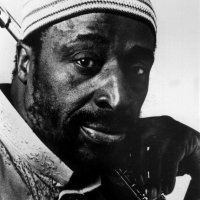
Pharoah Sanders’ Spotify BioTenor saxophonist Pharoah Sanders was among the most important contributors to the evolution of spiritual jazz, creating emotionally complex and uncompromisingly passionate music for over 60 years. Sanders got his start playing alongside John Coltrane in the mid-'60s, just as Coltrane's playing was turning to more chaotic free jazz expressions, and Sanders carried over some of that same euphoric upheaval into his own albums. Across multiple classics he recorded for the Impulse label in the late '60s and early '70s, however, Sanders incorporated elements of world music and even more pop-adjacent vocalizations into his sometimes chaotic style, crossing over to audiences who weren't primarily jazz listeners with the poetic mysticism of 1969's Karma or the sociopolitical sentiments of 1971's Black Unity. He remained highly active throughout the '80s and '90s, his sound mellowing somewhat into patient but no less powerful form on albums like 1987's Oh Lord, Let Me Do No Wrong. Though his… output slowed in the new millennium, Sanders would continue performing and recording into his eighties, collaborating with electronic producer Floating Points and the London Symphony Orchestra on 2021's critically acclaimed album Promises.
Pharoah Sanders was born Ferrell Sanders in Little Rock, Arkansas, in 1940. Both his mother and father taught music, his mother privately and his father in public schools. His first instrument was the clarinet, but he switched to tenor sax as a high school student, under the influence of his band director, Jimmy Cannon, who also exposed Sanders to jazz for the first time. His early favorites included Harold Land, James Moody, Sonny Rollins, Charlie Parker, and John Coltrane. As a teenager, he played blues gigs for 10 and 15 dollars a night around Little Rock, backing such blues greats as Bobby "Blue" Bland and Junior Parker. After high school, Sanders moved to Oakland, California, where he lived with relatives. He attended Oakland Junior College, studying art and music. Known in the San Francisco Bay Area as "Little Rock," he soon began playing bebop, rhythm & blues, and free jazz with many of the region's finest musicians, including fellow saxophonists Dewey Redman and Sonny Simmons, as well as pianist Ed Kelly and drummer Smiley Winters.
In 1961, Sanders moved to New York, where he struggled. Unable to make a living with his music, he took to pawning his horn, working nonmusical jobs, and sometimes sleeping on the subway. During this period, he played with a number of free jazz luminaries, including Sun Ra, Don Cherry, and Billy Higgins. Sanders formed his first group in 1963, with pianist John Hicks (with whom he would continue to play off-and-on into the '90s), bassist Wilbur Ware, and drummer Higgins. When the group played an engagement at New York's Village Gate, a member of the audience was John Coltrane, who apparently liked what he heard. In late 1964, Coltrane asked Sanders to sit in with his band. By the next year, he was playing regularly with the Coltrane group, although he was never made an official member of the band. Coltrane's ensembles with Sanders were some of the most controversial in the history of jazz. Their music, as represented by the group's recordings -- Om, Live at the Village Vanguard Again, and Live in Seattle among them -- represents a near total desertion of traditional jazz concepts, like swing and functional harmony in favor of a teeming, irregularly structured, organic mixture of sound for sound's sake. Strength was a necessity in that band, and as Coltrane soon realized, Sanders had it in abundance.
Sanders made his first record as a leader in 1964 for the ESP label. After Coltrane's death in 1967, Sanders worked briefly with his widow, Alice Coltrane. From the late '60s on, however, he worked primarily as a leader of his own ensembles. From 1966 to 1971, he released several albums on Impulse including Tauhid (1966), Karma (1969), Black Unity (1971), and Thembi (1971). In the mid-'70s he recorded his most commercial effort, Love Will Find a Way (Arista, 1977); it turned out to be a brief detour. From the late '70s until 1987, he recorded for the small independent label Theresa. Starting in 1987, Sanders recorded for the Evidence and Timeless labels. The former bought Theresa Records in 1991 and subsequently re-released Sanders' output for that company.
In 1995, he made his first major-label album in many years, Message from Home (produced by Bill Laswell for Verve). The two followed that one up in 1999 with Save Our Children. In 2000, Sanders released Spirits -- a multi-ethnic live suite with Hamid Drake and Adam Rudolph. In the decades after his first recordings with Coltrane, Sanders developed into a more well-rounded artist, capable of playing convincingly in a variety of contexts, from free to mainstream.
Throughout the 2000s, Sanders played the festival circuit and collaborated on record with various artists including Sleep Walker, Chicago Underground, Joey DeFrancesco, and others. In 2015, he was granted an NEA Jazz Master Award, along with Gary Burton, Wendy Oxenhorn, and Archie Shepp. It is North America's highest award for the genre. In 2020, an archival concert performance was released as Live in Paris (1975). The next year, Sanders worked with Floating Points and the London Symphony Orchestra on an album of entirely new material called Promises. Released in March 2021, the record was met with almost universal critical praise. It proved to be the last album he would release in his lifetime. Pharoah Sanders died on September 24, 2022, at his home in Los Angeles at the age of 81. ~ Chris Kelsey, Rovi
Viberate is a music analytics platform built for A&Rs, artist managers, labels, booking agents, marketers, and artists.
It helps music professionals track artist growth, analyze audience data, monitor playlist activity, compare artists, follow song performance, and identify opportunities across the music market.
Public artist pages provide a free preview of selected artist data. Paid plans provide access to deeper analytics, historical data, charts, comparisons, playlist tools, exports, alerts, reports, and additional professional features.
Yes. Public Viberate artist pages provide selected artist analytics and music data for free.
Viberate also offers a 7-day free trial of the full platform. A credit card is required to start the trial. The trial includes access to the complete product so users can test deeper artist analytics, historical views, playlist insights, comparisons, charts, exports, alerts, and reporting features before choosing a paid plan.
Viberate provides artist analytics across streaming, playlists, social media, video, radio airplay, songs, and audience markets.
Users can analyze Spotify performance, Spotify and Apple Music playlists, YouTube activity, TikTok and Instagram growth, radio spins, song performance, audience locations, demographics, rankings, and overall artist momentum.
Artist profiles also connect to music charts, similar artists, and comparison tools, helping users benchmark performance and evaluate artists in context.
Viberate updates key artist and track data daily.
For followed artists and tracks, selected data is refreshed multiple times per day. This helps teams monitor playlist changes, streaming movement, audience growth, releases, and campaign performance with more current data.
Update frequency can vary depending on the metric and data source.
Yes. Viberate lets users compare up to five artists side by side across streaming, social media, audience, and engagement metrics.
Users can compare fanbase growth, audience demographics, locations, Spotify performance, social metrics, and other artist data over selected time periods.
Artist comparison can be used for A&R scouting, benchmarking, booking decisions, campaign planning, and evaluating artists with similar audiences or market positions.