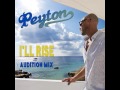
Peyton

Electronic
Dance
House
 Viberate Rank: 99571
 Viberate Rank: 99571
 Monthly ListenersFollowers
 Subscribers
 Followers
 Followers
 FansTop Spotify Songs
| Track | 7-Day Streams | |
|---|---|---|
1 | 3.95K | |
2 | 2.61K | |
3 | 1.54K | |
4 | 1.23K | |
5 | 700 |
Top YouTube VideosMonthly ListenersFeatured in Playlists| Playlist | Followers | |
|---|---|---|
1 |  80s Remix 90s Remix Club & Dance Lazerboyz | 134.31K |
2 | Mat Young | 67.69K |
3 | Gerson Berrio | 51.64K |
4 | İngilizce Öğreten Geliştiren Şarkılar nnursrtdmr | 32.01K |
5 | Mathias Blaavand Mathias Blaavand | 28.45K |
Audience| City | Monthly Listeners | |
|---|---|---|
1 |  | 2.18K |
2 | | 657 |
3 |  | 402 |
4 | | 347 |
5 | | 309 |
See full performance history, audience data, playlist activity, rankings, comparisons, and more in Viberate music analytics. Start with a free trial, then continue with a paid plan.
Peyton’s Spotify BioChristopher Peyton (artiste name: Peyton) is an American/British singer, songwriter and performer whose music career started with the release of his self-penned single A Higher Place on Hed Kandi Records, which topped dance charts worldwide in 2003 and is now considered to be a club classic. Since then, Peyton’s voice and lyrics have been synonymous with soulful house, while his trademark gospel-infused uplifting sound borrows inspiration from his childhood as the real-life son of a preacher man in Virginia where he grew up. For the past two decades Peyton has performed in over sixty countries and across six continents, making headline appearances at events like Sydney’s Mardi Gras and the official Beijing Olympics after-party, while holding summer residencies in Ibiza at Blue Marlin and Space. He has collaborated with some of house music’s most beloved all-stars, including the late godfather of house, Frankie Knuckles, and the legendary Eric Kupper.
In 2022 Peyton co-founded and… launched Revival Records, a new label and music collective committed to creating high quality dance productions as well as more opportunities for artists. He currently lives between London, England and Düsseldorf, Germany
Viberate is a music analytics platform built for A&Rs, artist managers, labels, booking agents, marketers, and artists.
It helps music professionals track artist growth, analyze audience data, monitor playlist activity, compare artists, follow song performance, and identify opportunities across the music market.
Public artist pages provide a free preview of selected artist data. Paid plans provide access to deeper analytics, historical data, charts, comparisons, playlist tools, exports, alerts, reports, and additional professional features.
Yes. Public Viberate artist pages provide selected artist analytics and music data for free.
Viberate also offers a 7-day free trial of the full platform. A credit card is required to start the trial. The trial includes access to the complete product so users can test deeper artist analytics, historical views, playlist insights, comparisons, charts, exports, alerts, and reporting features before choosing a paid plan.
Viberate provides artist analytics across streaming, playlists, social media, video, radio airplay, songs, and audience markets.
Users can analyze Spotify performance, Spotify and Apple Music playlists, YouTube activity, TikTok and Instagram growth, radio spins, song performance, audience locations, demographics, rankings, and overall artist momentum.
Artist profiles also connect to music charts, similar artists, and comparison tools, helping users benchmark performance and evaluate artists in context.
Viberate updates key artist and track data daily.
For followed artists and tracks, selected data is refreshed multiple times per day. This helps teams monitor playlist changes, streaming movement, audience growth, releases, and campaign performance with more current data.
Update frequency can vary depending on the metric and data source.
Yes. Viberate lets users compare up to five artists side by side across streaming, social media, audience, and engagement metrics.
Users can compare fanbase growth, audience demographics, locations, Spotify performance, social metrics, and other artist data over selected time periods.
Artist comparison can be used for A&R scouting, benchmarking, booking decisions, campaign planning, and evaluating artists with similar audiences or market positions.