Petite League

Rock
Indie Rock
Garage Rock
 Viberate Rank: 145809
 Viberate Rank: 145809
 Monthly ListenersFollowers
 Subscribers
 Followers
 Followers
 FansTop Spotify Songs
| Track | 7-Day Streams | |
|---|---|---|
1 | 15.35K | |
2 | 15.11K | |
3 | 8.61K | |
4 | 3.77K | |
5 | 3.76K |
Top YouTube VideosMonthly ListenersFeatured in Playlists| Playlist | Followers | |
|---|---|---|
1 |  Feel Good Dinner Spotify | 846.63K |
2 |  The Indie Station🍿 The Indie Station🍿 | 50.41K |
3 |  ARTIFAXING.mp3 💿 ARTIFAXING | 36.78K |
4 |  Good Morning Matthew Meyer | 31.54K |
5 |  An actual good indie playlist Mehyo | 27.04K |
Audience| City | Monthly Listeners | |
|---|---|---|
1 | | 3.76K |
2 | | 3.02K |
3 | | 2.62K |
4 | | 1.88K |
5 | | 1.73K |
See full performance history, audience data, playlist activity, rankings, comparisons, and more in Viberate music analytics. Start with a free trial, then continue with a paid plan.
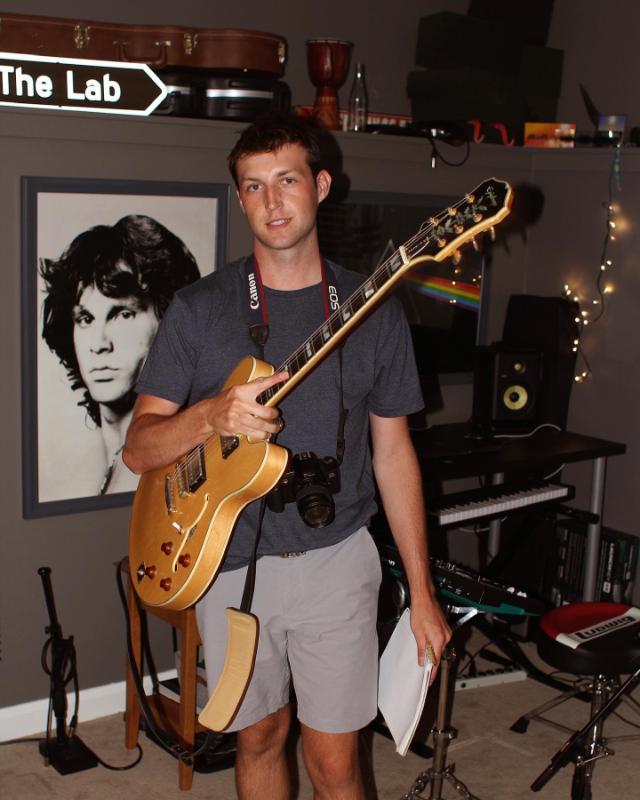
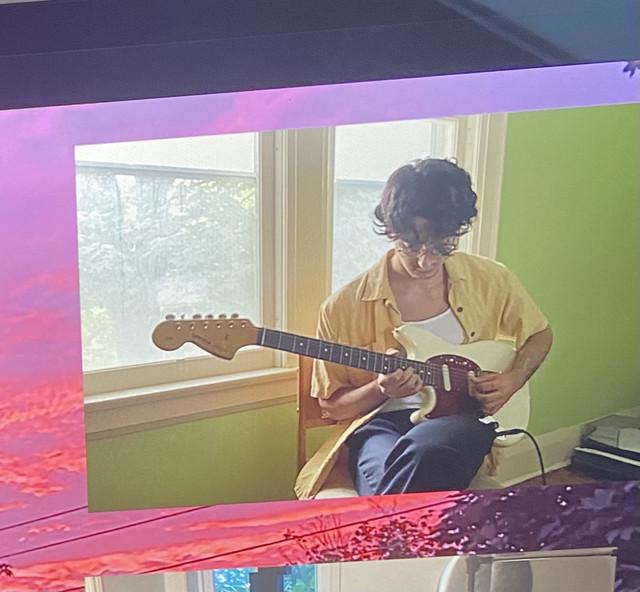
Petite League’s Spotify BioLiving together in famed Syracuse house venue Scarier Dome hosting shows for touring bands, producing live video sessions, starting a screen printing business while also learning the ins-and-outs of self-recording and releasing records was the foundational stepping stone upon which Petite League was created.
Lorenzo Gillis Cook, songwriter and composer, along with drummer Henry Schoonmaker, came out of the gates swinging with their signature infectious lo-fi power pop releasing their two first records before graduating from college that same year. Petite League’s melodic summer-y brand of indie rock started the buzz right away with some immediate industry, streaming, and publication recognition which helped propel the band forward.
Petite League continued to shape itself into a staple of the New York indie rock scene as the band moved to Queens in 2016 enlisting the help of other ex-Scarier Dome residents Adam Greenberg and Kevin McCallum as part of the live band. The DIY mindset of… operating Scarier Dome is still the backbone of what Petite League runs on to this day as they continue to release music prolifically, cultivate their online presence, and tour throughout the United States.
Viberate is a music analytics platform built for A&Rs, artist managers, labels, booking agents, marketers, and artists.
It helps music professionals track artist growth, analyze audience data, monitor playlist activity, compare artists, follow song performance, and identify opportunities across the music market.
Public artist pages provide a free preview of selected artist data. Paid plans provide access to deeper analytics, historical data, charts, comparisons, playlist tools, exports, alerts, reports, and additional professional features.
Yes. Public Viberate artist pages provide selected artist analytics and music data for free.
Viberate also offers a 7-day free trial of the full platform. A credit card is required to start the trial. The trial includes access to the complete product so users can test deeper artist analytics, historical views, playlist insights, comparisons, charts, exports, alerts, and reporting features before choosing a paid plan.
Viberate provides artist analytics across streaming, playlists, social media, video, radio airplay, songs, and audience markets.
Users can analyze Spotify performance, Spotify and Apple Music playlists, YouTube activity, TikTok and Instagram growth, radio spins, song performance, audience locations, demographics, rankings, and overall artist momentum.
Artist profiles also connect to music charts, similar artists, and comparison tools, helping users benchmark performance and evaluate artists in context.
Viberate updates key artist and track data daily.
For followed artists and tracks, selected data is refreshed multiple times per day. This helps teams monitor playlist changes, streaming movement, audience growth, releases, and campaign performance with more current data.
Update frequency can vary depending on the metric and data source.
Yes. Viberate lets users compare up to five artists side by side across streaming, social media, audience, and engagement metrics.
Users can compare fanbase growth, audience demographics, locations, Spotify performance, social metrics, and other artist data over selected time periods.
Artist comparison can be used for A&R scouting, benchmarking, booking decisions, campaign planning, and evaluating artists with similar audiences or market positions.