Peter Wolf

Rock
Pop Rock
Folk Rock
 Viberate Rank: 113626
 Viberate Rank: 113626
 Monthly ListenersFollowers
 Subscribers
 Followers
 Followers
 FansTop Spotify Songs
| Track | 7-Day Streams | |
|---|---|---|
1 | 10.59K | |
2 | 4.82K | |
3 | 4.82K | |
4 | 4.06K | |
5 | 3.83K |
Top YouTube Videos| Video | 7-Day Views | |
|---|---|---|
1 | 40 | |
2 | 6 |
Monthly ListenersFeatured in Playlists| Playlist | Followers | |
|---|---|---|
1 |  feltzy891 | 40.28K |
2 | Rock of ages soundtrack Eduardo Segovia | 27.66K |
3 |  Slow Blues & Blues Rock | Don's Tunes Don's Tunes | 19.74K |
4 | BSO Selectas: Selección de Bandas Sonoras OST Jesus Prieto Mier | 19.69K |
5 |  Rock Instrumental Piano Covers Tickled Ivories | 18.65K |
Audience| City | Monthly Listeners | |
|---|---|---|
1 |  | 3.03K |
2 |  | 883 |
3 |  | 725 |
4 | | 692 |
5 | | 509 |
See full performance history, audience data, playlist activity, rankings, comparisons, and more in Viberate music analytics. Start with a free trial, then continue with a paid plan.
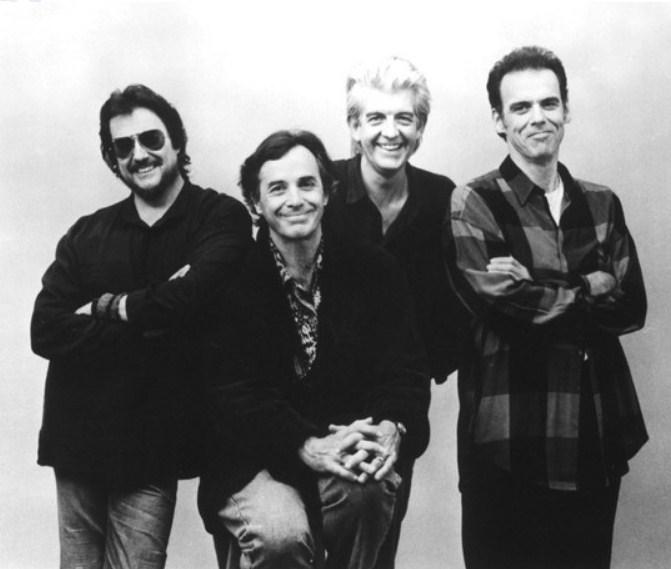
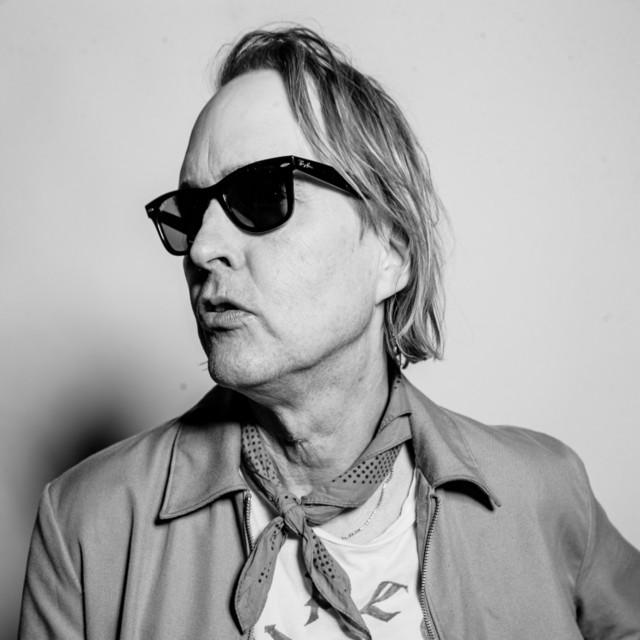
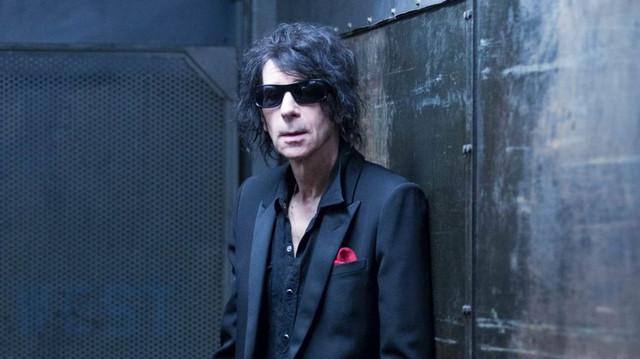
Peter Wolf’s Spotify BioBest known for his tenure fronting the J. Geils Band, singer Peter Wolf was born and raised in the Bronx, and came from a family active in show business. His father was a dancer, song plugger, disc jockey, and singer of light opera; his mother, an organizer for the civil rights and labor movements, was a teacher for inner-city children in the Bronx. Wolf's earliest passion was painting, and he was accepted on a scholarship to the Museum of Modern Art's Special Studies for Children, and later to the High School of Music and Art, just blocks from the Apollo Theater, where the young Wolf would make weekly visits. Seeing performers like Jackie Wilson, Dinah Washington, Otis Redding, and James Brown sparked his early interest in blues and R&B. After graduating from high school, he hitchhiked through the Midwest; in Chicago, he became involved in a couple of blues and folk music societies while studying painting at the University of Chicago. While there, he visited the South Side blues… clubs, drawing influences from the musicians he saw there.
With a grant to study at the Boston Museum School of Fine Arts, he became a disc jockey on WBCN-FM, hosting a show called The All-Night House Party. The show touched on many musical bases, and reflected Wolf's own broad musical interests. While still in college in Boston, Wolf joined his first musical group, comprised of fellow art students. They played blues music, and later got to meet and tour with their heroes John Lee Hooker and Muddy Waters. In 1967, he formed the group that would go on to become the J. Geils Band, which began playing clubs around New England. Their first big break was a chance to play at the Fillmore East in New York City, and they became known for their marathon live performances, with Wolf establishing a reputation as a particularly dynamic frontman. The group was signed to Atlantic Records by producer/impresario Jerry Wexler, and toured constantly over the next couple of years, performing as special guests with the Rolling Stones throughout the U.S. and Europe. At one of these concerts, Wolf met actress Faye Dunaway, whom he later married for a short time.
In 1983, the group was at the height of its popularity, and had gone 17 years without a personnel change. Finally, the bandmembers went their separate ways and Wolf went on to produce numerous film soundtracks and run art exhibits of his original paintings. In 1984, he released his first solo album, Lights Out, followed in 1987 by Come as You Are, which spurred the hit single of the same name. In between albums he worked on duets with Mick Jagger and Aretha Franklin, who recruited him specifically for her Who's Zoomin' Who album. In 1989, after a six-month songwriting retreat in Nashville, he recorded his third solo album, Up to No Good, which appeared the following year. In 1994, Wolf assembled a group of musicians and began playing clubs as a way to test out newer material on live audiences. It was the live feeling he so successfully captured on Long Line, his 1996 Reprise release. While on tour in 1997, Wolf met producer Kenny White, and together the pair recorded Fool's Parade, which was released in 1998 on Mercury. It was selected by Rolling Stone magazine as one of the "50 most influential records of the decade." In 1998, he toured with the Royal Soul Review, a star-studded gathering of soul artists including Lloyd Price, Chuck Jackson, Sam Moore, Ben E. King, Irma Thomas, Percy Sledge, Gene Chandler, and Jerry Butler. Soon after, Wolf was asked to record with blues great Little Milton. They worked at the famed Muscle Shoals Sound Studios and are featured on the Malaco album Welcome to Little Milton.
In 1999, J. Geils reunited for an end-of-the-century tour. Wolf reentered the studio with White and cut Sleepless for the Artemis label in 2002. This set, with guests including Mick Jagger, Keith Richards, and Steve Earle, was almost universally regarded as Wolf's finest solo moment and garnered -- again from Rolling Stone -- the honor of being "one of the greatest 500 albums of all time." In 2005, the J. Geils Band reunited once more for a special charity event to benefit the Cam Neely Cancer Foundation, Denis Leary's Firefighters Association of New England, and Michael J. Fox's Parkinson's Disease Research Foundation. The band later reunited in 2009 for a short series of sold-out shows across the U.S.; Wolf claims they were more than likely their very last. He finally re-emerged from his own recording silence in 2010 with Midnight Souvenirs on Verve, co-produced with White; the pair enlisted duet help from Shelby Lynne, Neko Case, and one of Wolf's true heroes, Merle Haggard.
The singer promoted the set on the major network late night shows, his own tour of intimate rock and folk venues, and festival performances. The recording received favorable reviews and landed inside the Top 50 on the album charts. Afterwards, Wolf resumed reunion work with J. Geils Band over the next few summers, playing the large outdoor sheds. During breaks, he was writing new material.
When ready to record, Wolf enlisted members of his road band the Midnight Travelers (including keyboardist Kenny White, his co-producer). A Cure for Loneliness marked the singer's debut for Concord. It included nine new originals and three covers -- most notably a bluegrass reworking of the J. Geils Band hit "Love Stinks." It was released in early 2016. ~ Richard Skelly, Rovi
Viberate is a music analytics platform built for A&Rs, artist managers, labels, booking agents, marketers, and artists.
It helps music professionals track artist growth, analyze audience data, monitor playlist activity, compare artists, follow song performance, and identify opportunities across the music market.
Public artist pages provide a free preview of selected artist data. Paid plans provide access to deeper analytics, historical data, charts, comparisons, playlist tools, exports, alerts, reports, and additional professional features.
Yes. Public Viberate artist pages provide selected artist analytics and music data for free.
Viberate also offers a 7-day free trial of the full platform. A credit card is required to start the trial. The trial includes access to the complete product so users can test deeper artist analytics, historical views, playlist insights, comparisons, charts, exports, alerts, and reporting features before choosing a paid plan.
Viberate provides artist analytics across streaming, playlists, social media, video, radio airplay, songs, and audience markets.
Users can analyze Spotify performance, Spotify and Apple Music playlists, YouTube activity, TikTok and Instagram growth, radio spins, song performance, audience locations, demographics, rankings, and overall artist momentum.
Artist profiles also connect to music charts, similar artists, and comparison tools, helping users benchmark performance and evaluate artists in context.
Viberate updates key artist and track data daily.
For followed artists and tracks, selected data is refreshed multiple times per day. This helps teams monitor playlist changes, streaming movement, audience growth, releases, and campaign performance with more current data.
Update frequency can vary depending on the metric and data source.
Yes. Viberate lets users compare up to five artists side by side across streaming, social media, audience, and engagement metrics.
Users can compare fanbase growth, audience demographics, locations, Spotify performance, social metrics, and other artist data over selected time periods.
Artist comparison can be used for A&R scouting, benchmarking, booking decisions, campaign planning, and evaluating artists with similar audiences or market positions.