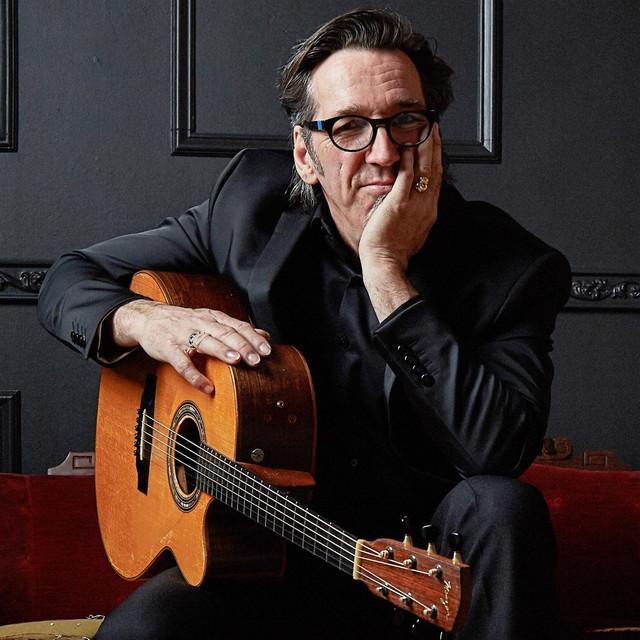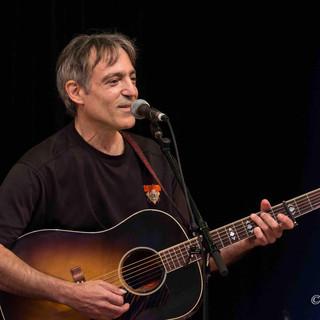
Peter Mulvey

Country
Americana/Alt Country
Folk
 Viberate Rank: 176880
 Viberate Rank: 176880
 Monthly ListenersFollowers
 Subscribers
 Followers
 Followers
 FansTop Spotify Songs
| Track | 7-Day Streams | |
|---|---|---|
1 | 431 | |
2 | 214 | |
3 | 179 | |
4 | 155 | |
5 | 153 |
Top YouTube VideosMonthly ListenersFeatured in Playlists| Playlist | Followers | |
|---|---|---|
1 |  Skins UK Songs Romina Adriana | 37.73K |
2 |  Freakonomics podcast André Nordbø | 15.88K |
3 |  Backroad Anthems Venture Music | 6.53K |
4 |  Ultimate Chill Taze | 3.79K |
5 | Songs before Palosanto por E. BUNBURY BUNBURY | 3.02K |
Audience| City | Monthly Listeners | |
|---|---|---|
1 | | 102 |
2 | | 85 |
3 | | 82 |
4 | | 82 |
5 | | 77 |
See full performance history, audience data, playlist activity, rankings, comparisons, and more in Viberate music analytics. Start with a free trial, then continue with a paid plan.
Peter Mulvey’s Spotify BioA contemporary singer/songwriter who draws broadly from folk, rock, and jazz with a propensity for contemporary folk, Peter Mulvey has lived an artist's life since adolescence -- he was a college theater major, spent time busking in Dublin, Ireland, and founded the Milwaukee band Big Sky, all before his early twenties. But his professional music career didn't really begin until 1991, when he was fired from a job at a Kinko's copy shop in Boston. Flat broke and in need of immediate cash to entertain his visiting brother, Mulvey starting playing his guitar in the subway. He supported himself that way for a couple of years, working ten-hour days in the smog-drenched underground. In the meantime, he released two CDs on his own, 1992's Brother Rabbit Speaks and 1993's Rain.
Mulvey's rising star hit the accelerator in 1994 when he won the Boston Acoustic Underground competition. In 1995, he signed with Eastern Front Records and recorded the Boston Award-nominated Rapture, which won consistent… raves for his dazzlingly funky acoustic fretwork. He tossed off the acoustic EP Goodbye Bob before releasing the much more aggressive acoustic modern rock album Deep Blue (also on Eastern Front) in 1997. As a side project, the prolific guitarist also rejoined his old colleagues from Big Sky in 1997 to record a CD entitled Lately under the band name Little Sky. After Black Walnut Records issued the live solo album Glencree in 1999, he signed with Signature Sounds Recordings, where he stayed for over a decade beginning with The Trouble with Poets in the spring of 2000.
In 2002, Mulvey released the covers album Ten Thousand Mornings, which included works by Paul Simon, Bob Dylan, and Elvis Costello, among others. He returned with originals on 2004's Kitchen Radio, and 2006's The Knuckleball Suite included one cover song, U2's "The Fly." The next year's Notes from Elsewhere collected select songs from across his career to that point, with Mulvey re-recording them for just voice and acoustic guitar. Written while in transit to visit his nieces and nephews, 2009's Letters from a Flying Machine combined songs and readings of letters, and he partnered with composer/guitarist David Goodrich for a record of instrumentals called Nine Days Wonder in 2011. The solo album The Good Stuff followed a year later, and 2014's Silver Ladder featured drums by frequent Bob Dylan drummer David Kemper.
On June 17, 2015, while Mulvey was on tour opening for Ani DiFranco, he wrote "Take Down Your Flag," a response to the mass shooting at a church in Charleston, South Carolina (later officially designated a federal hate crime). DiFranco covered the song in her own set in the days that followed, and it was soon reinterpreted by dozens of other singers, including Peter Yarrow and Keb' Mo'. DiFranco also produced Mulvey's next album, Are You Listening?, which saw release in 2017 by Righteous Babe Records. ~ Darryl Cater & Marcy Donelson, Rovi
Viberate is a music analytics platform built for A&Rs, artist managers, labels, booking agents, marketers, and artists.
It helps music professionals track artist growth, analyze audience data, monitor playlist activity, compare artists, follow song performance, and identify opportunities across the music market.
Public artist pages provide a free preview of selected artist data. Paid plans provide access to deeper analytics, historical data, charts, comparisons, playlist tools, exports, alerts, reports, and additional professional features.
Yes. Public Viberate artist pages provide selected artist analytics and music data for free.
Viberate also offers a 7-day free trial of the full platform. A credit card is required to start the trial. The trial includes access to the complete product so users can test deeper artist analytics, historical views, playlist insights, comparisons, charts, exports, alerts, and reporting features before choosing a paid plan.
Viberate provides artist analytics across streaming, playlists, social media, video, radio airplay, songs, and audience markets.
Users can analyze Spotify performance, Spotify and Apple Music playlists, YouTube activity, TikTok and Instagram growth, radio spins, song performance, audience locations, demographics, rankings, and overall artist momentum.
Artist profiles also connect to music charts, similar artists, and comparison tools, helping users benchmark performance and evaluate artists in context.
Viberate updates key artist and track data daily.
For followed artists and tracks, selected data is refreshed multiple times per day. This helps teams monitor playlist changes, streaming movement, audience growth, releases, and campaign performance with more current data.
Update frequency can vary depending on the metric and data source.
Yes. Viberate lets users compare up to five artists side by side across streaming, social media, audience, and engagement metrics.
Users can compare fanbase growth, audience demographics, locations, Spotify performance, social metrics, and other artist data over selected time periods.
Artist comparison can be used for A&R scouting, benchmarking, booking decisions, campaign planning, and evaluating artists with similar audiences or market positions.