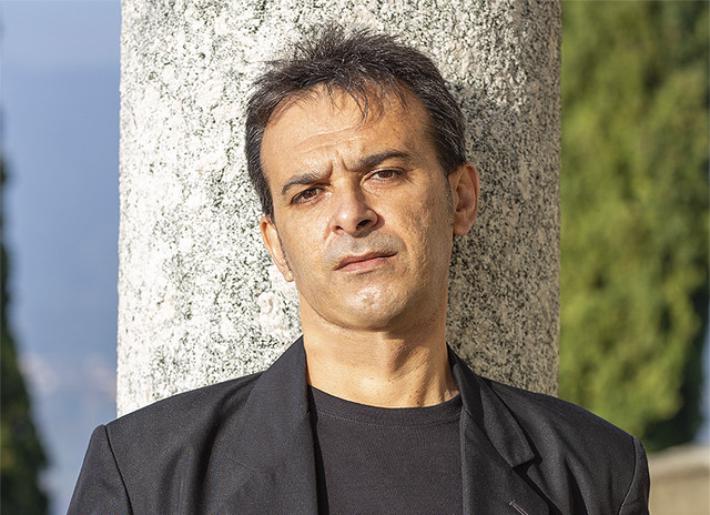
Peter Groesdonk

Classical
Chamber Music
 Viberate Rank: 589074
 Viberate Rank: 589074
 Monthly ListenersFollowers
 Subscribers
 Followers
 Followers
 FansTop Spotify Songs
| Track | 7-Day Streams | |
|---|---|---|
1 | 10 | |
2 | 7 | |
3 | 7 | |
4 | 5 | |
5 | 4 |
Top YouTube VideosMonthly ListenersFeatured in PlaylistsAudience| City | Monthly Listeners | |
|---|---|---|
1 | | 3 |
See full performance history, audience data, playlist activity, rankings, comparisons, and more in Viberate music analytics. Start with a free trial, then continue with a paid plan.
Peter Groesdonk’s Spotify BioThe acoustic guitarist Peter Groesdonk found his way to the guitar at the age of 8. Always supported by his guitar teacher Peter Karkowski, he has since then enjoyed an extensive classical education in instrument and theory. Another important element on the way to today's musician was the encounter with guitarist Jimmy Wahlsteen and his music. For the first time he came into contact with the guitar style 'fingerstyle'. Soon arrangements of great well-known hits and own compositions, which make up most of his live program today, were created. He found new inspiration in various Master Classes, including Adam Rafferty, Michael Fix and Kosho. In order to pursue the path of becoming a full musician even more, he initially decided to study at the Institute für Musik in Osnabrück in 2015. A year later he moved to Dresden to study at Hochschule für Musik Carl Maria von Weber with renowned musicians such as Reentko Dirks, Stephan Bormann or Thomas Fellow. In 2018 he successfully finished his… study with a Bachelor of Music.
From an early age, Peter Groesdonk already gained stage experience, in class preludes but also in numerous competitions. In addition to his solo concerts, he already shared the stage with stars from the guitar scene, such as Jimmy Wahlsteen, Don Ross, Klaus Boesser-Ferrari and Peter Kroll-Ploeger.
Furthermore he had the opportunity to participate in a production in one of Germany's most renowned opera houses, the Semperoper in 2018.
Viberate is a music analytics platform built for A&Rs, artist managers, labels, booking agents, marketers, and artists.
It helps music professionals track artist growth, analyze audience data, monitor playlist activity, compare artists, follow song performance, and identify opportunities across the music market.
Public artist pages provide a free preview of selected artist data. Paid plans provide access to deeper analytics, historical data, charts, comparisons, playlist tools, exports, alerts, reports, and additional professional features.
Yes. Public Viberate artist pages provide selected artist analytics and music data for free.
Viberate also offers a 7-day free trial of the full platform. A credit card is required to start the trial. The trial includes access to the complete product so users can test deeper artist analytics, historical views, playlist insights, comparisons, charts, exports, alerts, and reporting features before choosing a paid plan.
Viberate provides artist analytics across streaming, playlists, social media, video, radio airplay, songs, and audience markets.
Users can analyze Spotify performance, Spotify and Apple Music playlists, YouTube activity, TikTok and Instagram growth, radio spins, song performance, audience locations, demographics, rankings, and overall artist momentum.
Artist profiles also connect to music charts, similar artists, and comparison tools, helping users benchmark performance and evaluate artists in context.
Viberate updates key artist and track data daily.
For followed artists and tracks, selected data is refreshed multiple times per day. This helps teams monitor playlist changes, streaming movement, audience growth, releases, and campaign performance with more current data.
Update frequency can vary depending on the metric and data source.
Yes. Viberate lets users compare up to five artists side by side across streaming, social media, audience, and engagement metrics.
Users can compare fanbase growth, audience demographics, locations, Spotify performance, social metrics, and other artist data over selected time periods.
Artist comparison can be used for A&R scouting, benchmarking, booking decisions, campaign planning, and evaluating artists with similar audiences or market positions.