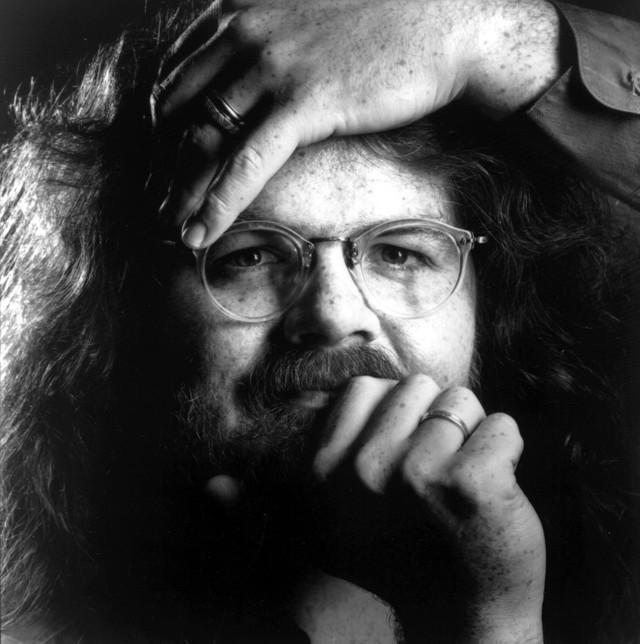
Peter Finger

European
Other European Music
Chamber Music
 Viberate Rank: 248310
 Viberate Rank: 248310
 Monthly ListenersFollowers
 Subscribers
 Followers
 Followers
 FansTop Spotify Songs
| Track | 7-Day Streams | |
|---|---|---|
1 | 1.21K | |
2 | 1.14K | |
3 | 1.07K | |
4 | 533 | |
5 | 276 |
Top YouTube VideosMonthly ListenersFeatured in Playlists| Playlist | Followers | |
|---|---|---|
1 |  The Sound of Everything The Sounds of Spotify | 53.81K |
2 |  The NTS Breakfast Show w/ Flo - NTS NTS ᵇᵒᵗ (killed 2026/03) | 12.70K |
3 |  Concentration & Chill - beats without words. Music for studying, coding etc. Maciej Błędkowski | 8.23K |
4 | Raxx's Radio raxxanterax | 6.61K |
5 | CONCENTRACIÓN EN EL TRABAJO Karla Suárez | 6.13K |
Audience| City | Monthly Listeners | |
|---|---|---|
1 |  | 233 |
2 |  | 231 |
3 |  | 142 |
4 |  | 126 |
5 |  | 83 |
See full performance history, audience data, playlist activity, rankings, comparisons, and more in Viberate music analytics. Start with a free trial, then continue with a paid plan.
Peter Finger’s Spotify BioAcoustic guitarist Peter Finger was born in Weimar, Germany, in 1954 (his father was a conductor). Before beginning guitar lessons at the age of 13, Finger studied both violin and piano. Since the mid-'70s, Finger has been issuing albums (1975's Detlef & Finger and Bottleneck Guitar Solos, plus 1977's Acoustic Rock Guitar), and toured the world on a regular basis, including shows in his native Germany, as well as the U.S.A., Canada, Japan, England, Switzerland, Austria, Belgium, Holland, Luxembourg, France, Italy, Finland, Poland, Estonia, and Russia. The guitarist then branched out into other areas, including producing music for both TV, radio, and film, plus composing for orchestras. In 1988, Finger founded his own publishing company and record label (Acoustic Music Records), and in 1995, he became the publisher of Akustik Gitarre magazine. The '90s also saw further solo releases from Finger, including such titles as 1990's The Colors of the Night, 1995's Innenleben and Solo, 1999's… Open Strings, and a ten-track 2001 compilation, The Collection. ~ Greg Prato, Rovi
Viberate is a music analytics platform built for A&Rs, artist managers, labels, booking agents, marketers, and artists.
It helps music professionals track artist growth, analyze audience data, monitor playlist activity, compare artists, follow song performance, and identify opportunities across the music market.
Public artist pages provide a free preview of selected artist data. Paid plans provide access to deeper analytics, historical data, charts, comparisons, playlist tools, exports, alerts, reports, and additional professional features.
Yes. Public Viberate artist pages provide selected artist analytics and music data for free.
Viberate also offers a 7-day free trial of the full platform. A credit card is required to start the trial. The trial includes access to the complete product so users can test deeper artist analytics, historical views, playlist insights, comparisons, charts, exports, alerts, and reporting features before choosing a paid plan.
Viberate provides artist analytics across streaming, playlists, social media, video, radio airplay, songs, and audience markets.
Users can analyze Spotify performance, Spotify and Apple Music playlists, YouTube activity, TikTok and Instagram growth, radio spins, song performance, audience locations, demographics, rankings, and overall artist momentum.
Artist profiles also connect to music charts, similar artists, and comparison tools, helping users benchmark performance and evaluate artists in context.
Viberate updates key artist and track data daily.
For followed artists and tracks, selected data is refreshed multiple times per day. This helps teams monitor playlist changes, streaming movement, audience growth, releases, and campaign performance with more current data.
Update frequency can vary depending on the metric and data source.
Yes. Viberate lets users compare up to five artists side by side across streaming, social media, audience, and engagement metrics.
Users can compare fanbase growth, audience demographics, locations, Spotify performance, social metrics, and other artist data over selected time periods.
Artist comparison can be used for A&R scouting, benchmarking, booking decisions, campaign planning, and evaluating artists with similar audiences or market positions.