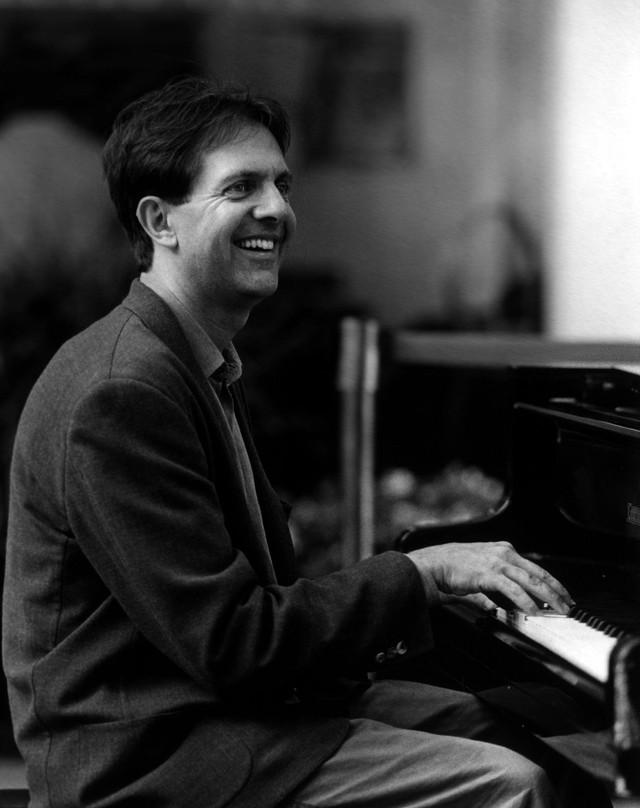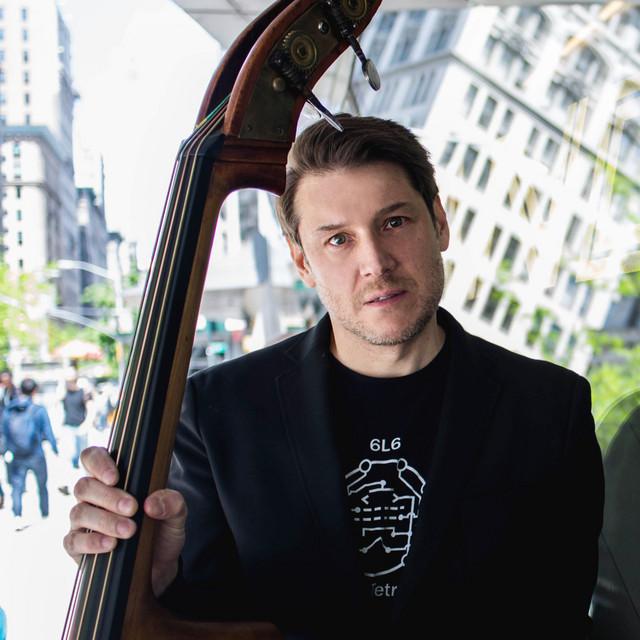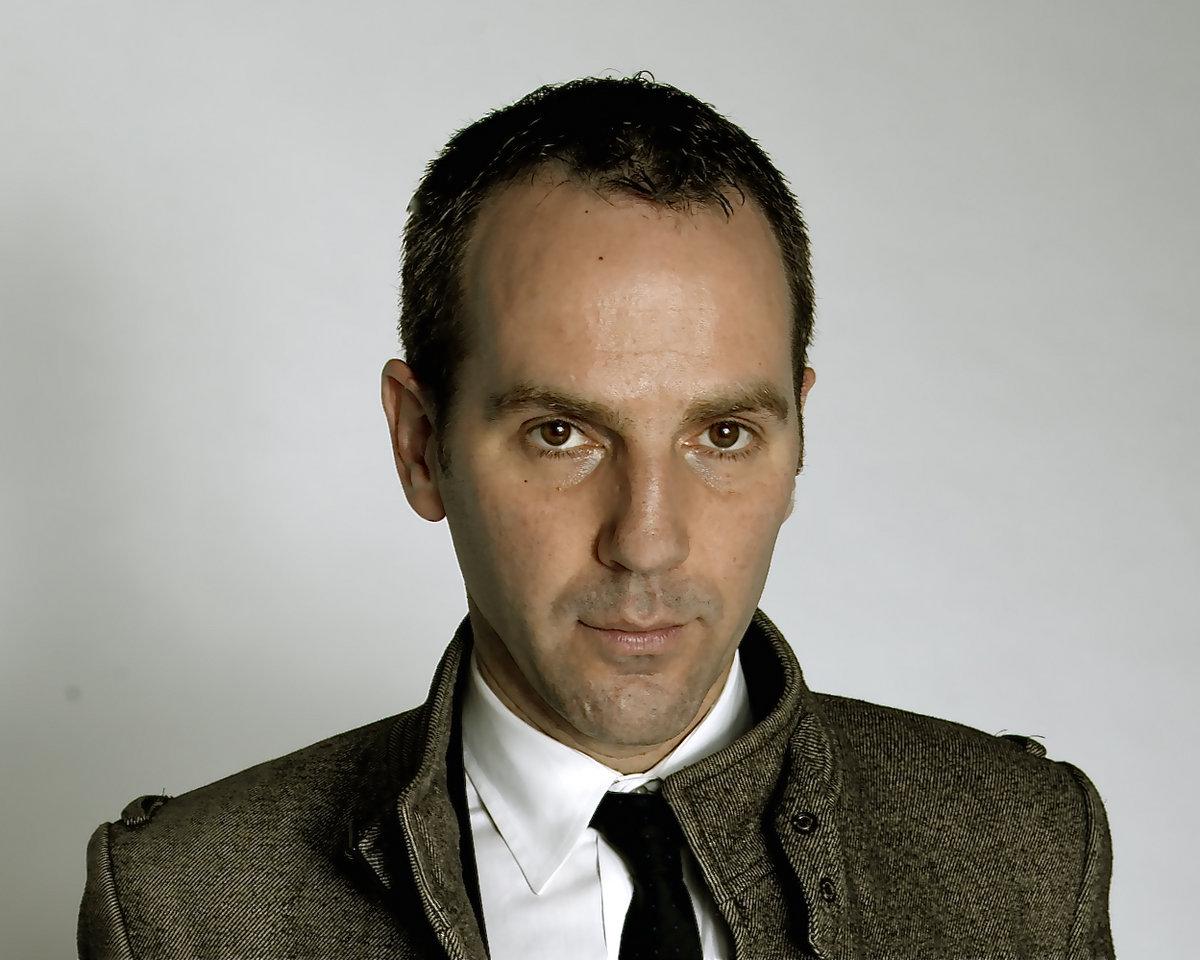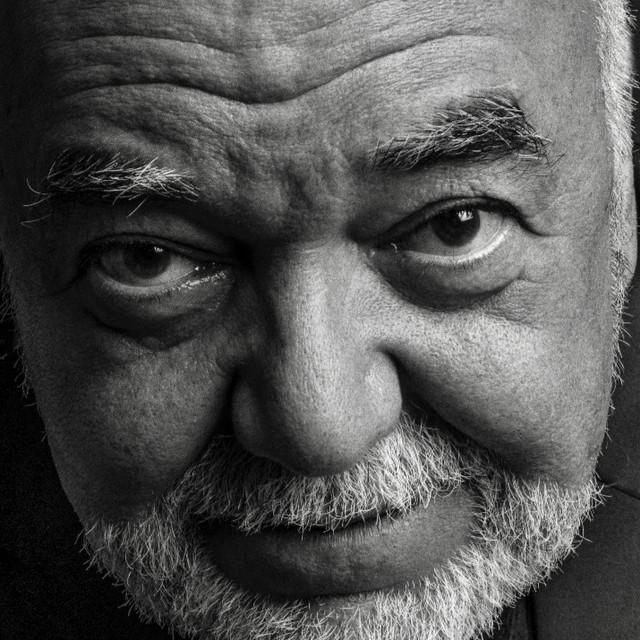
Peter Erskine

Jazz
Smooth Jazz
 Viberate Rank: 93665
 Viberate Rank: 93665
 Monthly ListenersFollowers
 Subscribers
 Followers
 Followers
 FansTop Spotify Songs
| Track | 7-Day Streams | |
|---|---|---|
1 | 6.35K | |
2 | 2.07K | |
3 | 1.23K | |
4 | 1.22K | |
5 | 1.17K |
Top YouTube VideosMonthly ListenersFeatured in Playlists| Playlist | Followers | |
|---|---|---|
1 |  Soft Jazz Spotify | 359.30K |
2 |  Sweet Jazz Spotify | 301.71K |
3 |  Saxophone Classics Spotify | 142.18K |
4 |  Instrumental Jazz Valdemar Bille-Lauridsen | 45.25K |
5 |  Hi-fi Test Music (High Quality Audio) Ben Koomen | 31.07K |
Audience| City | Monthly Listeners | |
|---|---|---|
1 |  | 498 |
2 | | 446 |
3 | | 354 |
4 |  | 334 |
5 |  | 330 |
See full performance history, audience data, playlist activity, rankings, comparisons, and more in Viberate music analytics. Start with a free trial, then continue with a paid plan.
Peter Erskine’s Spotify BioOne of the most skilled and versatile jazz drummers of his generation, Peter Erskine has anchored big bands, jazz-rock fusion ensembles, and his own small groups. As adept at sophisticated polyrhythms as he is at powerful, rippling solos, Erskine played with the Stan Kenton and Maynard Ferguson big bands before gaining widespread acclaim as a member of the iconic fusion band Weather Report in the '70s and '80s. He was also a member of the Brecker Brothers' adjacent Steps Ahead before embarking on a vibrant solo career with 1982's post-bop-oriented Peter Erskine. He has recorded for ECM, including albums with John Abercrombie, as well as with his trio with pianist John Taylor and bassist Palle Danielsson. Since founding his own Fuzzy Music, he has recorded regularly with his Dr. Um Band featuring keyboardist John Beasley, and collaborated on varied projects with Ron Carter, Alan Pasqua, and Danny Grissett, the latter of which joined him on 2024's Bernstein in Vienna.
Born in 1954 in… Somers Point, New Jersey, Erskine began drumming at three, and participated in Stan Kenton's National Stage Band Camps from the age of six. He studied with Alan Dawson and Ed Soph, attending the Interlochen Arts Academy in Michigan and Indiana University. He played with Kenton from 1972 to 1975, then from 1976 to 1978 with Maynard Ferguson. From 1978 to 1982, Erskine was the main drummer and percussionist with Weather Report, appearing on such albums as Mr. Gone, 8:30, and Night Passage. He also did several West Coast sessions in the late '70s, including playing on albums by Joni Mitchell, Bobby Hutcherson, Joe Henderson, and Joe Farrell.
Returning to the East Coast, he joined Michael and Randy Brecker in the contemporary fusion group Steps and Steps Ahead, contributing to 1983's Steps Ahead, 1984's Modern Times, and 1986's Magnetic. During the '80s he also worked with John Scofield, Bob Mintzer, Lew Soloff, Mike Mandel, Kenny Werner, Stanley Jordan, and Ricki Lee Jones, among others.
As a leader, he debuted with Peter Erskine in 1982 on Contemporary, an engaging post-bop album that featured contributions by Michael and Randy Brecker, his fellow Steps Ahead bandmate Mike Mainieri, Kenny Kirkland, and others. He returned to a more fusion-informed style on 1986's Transition, the latter of which included his five-part, 22-minute "Suite: Music from Shakespeare's 'King Richard II'."
It was also during the late '80s that he developed a good relationship with ECM, collaborating on projects with Gary Peacock (Guamba), John Abercrombie (Getting There), and Marc Johnson (Bass Desires). Big Theatre, an album of percussion heavy music Erskine recorded for several theatrical productions of works by William Shakespeare arrived in 1990.
He made his ECM debut as leader with 1992's You Never Know, showcasing a trio with pianist John Taylor and bassist Palle Danielsson. Several more ECM dates featuring the trio followed, including 1995's As It Is and 1998's Juni. Also during the '90s, Erskine founded his own Fuzzy Music label, delivering such albums as 1995's From Kenton to Now with tenor saxophonist Richard Torres and 1998's Lava Jazz.
In the 2000s, Erskine continued to release albums via Fuzzy Music with 2002's Badlands, 2005's The Lounge Art Ensemble: Music for Moderns, and 2016's Dr. Um, which introduced his Dr. Um Band featuring keyboardist John Beasley. In 2017, Erskine reunited Beasley and the Dr. Um Band for Second Opinion, followed again in 2018 by On Call. That same year, he joined Ron Carter and Airto Moreira for Sides Of: Jazz.
Another Collaboration, Accidental Tourists: The Alaska Sessions with Markus Burger and Bob Magnusson appeared in 2019, followed by Live in Italy with the Dr. Um Band and a second concert album also recorded in Italy with pianist Alan Pasqua and bassist Darek Oles. Bernstein in Vienna, an exploration of the music of composer Leonard Bernstein, arrived in 2024 and captured Erskine's live performance with Danny Grissett and members of the Vienna JAM Music Lab University during his 2021 artist in residency at the Austrian school. ~ Matt Collar, Rovi
Viberate is a music analytics platform built for A&Rs, artist managers, labels, booking agents, marketers, and artists.
It helps music professionals track artist growth, analyze audience data, monitor playlist activity, compare artists, follow song performance, and identify opportunities across the music market.
Public artist pages provide a free preview of selected artist data. Paid plans provide access to deeper analytics, historical data, charts, comparisons, playlist tools, exports, alerts, reports, and additional professional features.
Yes. Public Viberate artist pages provide selected artist analytics and music data for free.
Viberate also offers a 7-day free trial of the full platform. A credit card is required to start the trial. The trial includes access to the complete product so users can test deeper artist analytics, historical views, playlist insights, comparisons, charts, exports, alerts, and reporting features before choosing a paid plan.
Viberate provides artist analytics across streaming, playlists, social media, video, radio airplay, songs, and audience markets.
Users can analyze Spotify performance, Spotify and Apple Music playlists, YouTube activity, TikTok and Instagram growth, radio spins, song performance, audience locations, demographics, rankings, and overall artist momentum.
Artist profiles also connect to music charts, similar artists, and comparison tools, helping users benchmark performance and evaluate artists in context.
Viberate updates key artist and track data daily.
For followed artists and tracks, selected data is refreshed multiple times per day. This helps teams monitor playlist changes, streaming movement, audience growth, releases, and campaign performance with more current data.
Update frequency can vary depending on the metric and data source.
Yes. Viberate lets users compare up to five artists side by side across streaming, social media, audience, and engagement metrics.
Users can compare fanbase growth, audience demographics, locations, Spotify performance, social metrics, and other artist data over selected time periods.
Artist comparison can be used for A&R scouting, benchmarking, booking decisions, campaign planning, and evaluating artists with similar audiences or market positions.