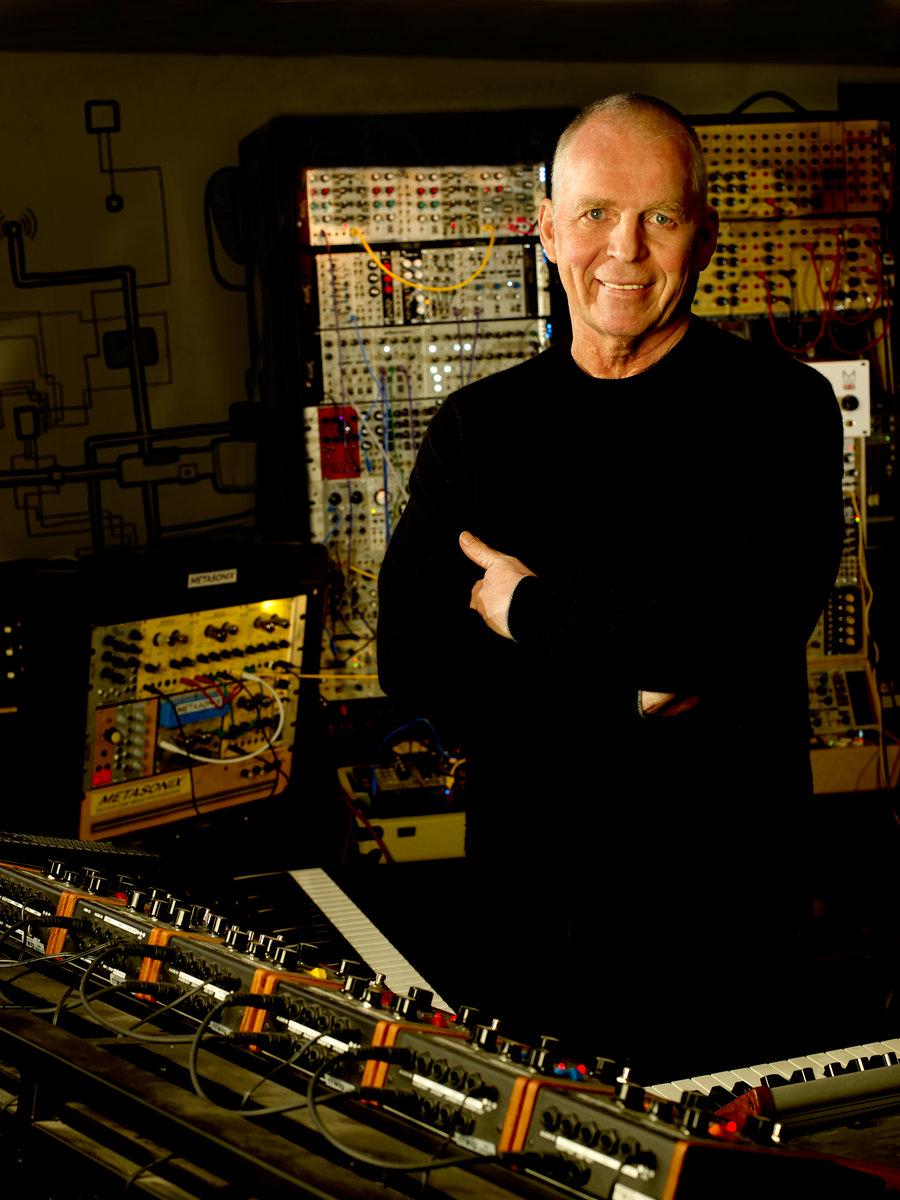
Peter Baumann

Electronic
Downtempo
Progressive Rock
 Viberate Rank: 211466
 Viberate Rank: 211466
 Monthly ListenersFollowers
 Subscribers
 Followers
 Followers
 FansTop Spotify Songs
| Track | 7-Day Streams | |
|---|---|---|
1 | 1.38K | |
2 | 737 | |
3 | 695 | |
4 | 507 | |
5 | 383 |
Top YouTube VideosMonthly ListenersFeatured in Playlists| Playlist | Followers | |
|---|---|---|
1 |  MoogTube Spotify | 132.70K |
2 |  INSTRUMENTAL MUSIC TO WORK TO: Chill, Ambient, Electronic Instrumental Mix Keats Handwriting | 51.84K |
3 |  Cheat Sheet: J Dilla Okayplayer | 26.93K |
4 |  Now Again - Egon's Selections Egon | 14.09K |
5 |  80s Sci-Fi Ambience / Synthwave sorrowschild | 9.14K |
Audience| City | Monthly Listeners | |
|---|---|---|
1 |  | 185 |
2 |  | 169 |
3 |  | 135 |
4 | | 119 |
5 |  | 112 |
See full performance history, audience data, playlist activity, rankings, comparisons, and more in Viberate music analytics. Start with a free trial, then continue with a paid plan.
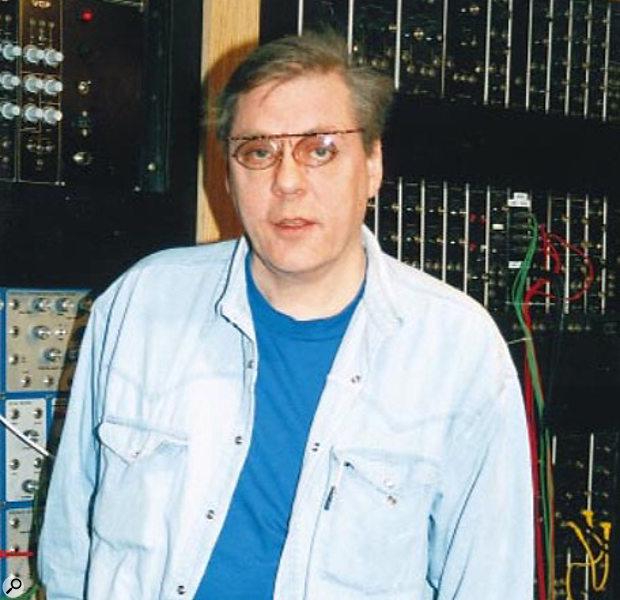
Peter Baumann’s Spotify BioA longtime member of the groundbreaking electronic group Tangerine Dream, keyboardist and composer Peter Baumann was born in Berlin on January 29, 1953. A classically trained performer, he formed his first rock band at age 14, appearing in a series of short-lived groups before joining Tangerine Dream in 1971. With only a few temporary breaks, Baumann remained with the project for seven years, during that time greatly expanding the parameters of electronic music through his contributions to landmark records including Zeit, Atem, and Phaedra. Although he left Tangerine Dream in 1977, Baumann mounted a solo career a year earlier with the release of Romance '76, which heralded a move toward electronic pop structures. Baumann produced Cluster's 1979 album Grosses Wasser, as well as solo work by the duo's Hans-Joachim Roedelius.
In the wake of his 1979 solo album Trans-Harmonic Nights, Baumann relocated from Germany to New York City and began work on 1981's Repeat Repeat, his most… club-oriented effort to date. In 1982, Baumann collaborated with Conrad Schnitzler and his son Gregor Schnitzler for a new wave side project called Berlin Express, who released a single titled "The Russians Are Coming." Upon completing 1983's more pop-focused Strangers in the Night, Baumann formed his own label, Private Music, which later emerged as a major new age outlet thanks to signings including Yanni, John Tesh, and Shadowfax. The label consumed much of his energy for the remainder of the decade, but in 1990 Baumann appeared poised to return to performing as a member of Blue Room alongside Paul Haslinger and John Baxter. However, the group's planned debut was scrapped two years later. A disheartened Baumann eventually sold his interests in Private Music and retired from the music business. He later moved to San Francisco, and in 2009 he established the Baumann Foundation, an organization that focuses on the nature of awareness in relation to human health and well-being.
In late 2014, Baumann got the urge to began creating music again. He set up a recording studio in his basement in order to work on new music, and he flew to Austria to meet up with his former bandmate, Tangerine Dream founder Edgar Froese, with the intention of a renewed collaboration. Unfortunately, Froese passed away shortly afterwards, but Baumann worked with the remaining lineup of Tangerine Dream during the year. Baumann made his return to the music world with his first solo album since 1983, Machines of Desire, which was issued by Bureau B in 2016. ~ Jason Ankeny, Rovi
Viberate is a music analytics platform built for A&Rs, artist managers, labels, booking agents, marketers, and artists.
It helps music professionals track artist growth, analyze audience data, monitor playlist activity, compare artists, follow song performance, and identify opportunities across the music market.
Public artist pages provide a free preview of selected artist data. Paid plans provide access to deeper analytics, historical data, charts, comparisons, playlist tools, exports, alerts, reports, and additional professional features.
Yes. Public Viberate artist pages provide selected artist analytics and music data for free.
Viberate also offers a 7-day free trial of the full platform. A credit card is required to start the trial. The trial includes access to the complete product so users can test deeper artist analytics, historical views, playlist insights, comparisons, charts, exports, alerts, and reporting features before choosing a paid plan.
Viberate provides artist analytics across streaming, playlists, social media, video, radio airplay, songs, and audience markets.
Users can analyze Spotify performance, Spotify and Apple Music playlists, YouTube activity, TikTok and Instagram growth, radio spins, song performance, audience locations, demographics, rankings, and overall artist momentum.
Artist profiles also connect to music charts, similar artists, and comparison tools, helping users benchmark performance and evaluate artists in context.
Viberate updates key artist and track data daily.
For followed artists and tracks, selected data is refreshed multiple times per day. This helps teams monitor playlist changes, streaming movement, audience growth, releases, and campaign performance with more current data.
Update frequency can vary depending on the metric and data source.
Yes. Viberate lets users compare up to five artists side by side across streaming, social media, audience, and engagement metrics.
Users can compare fanbase growth, audience demographics, locations, Spotify performance, social metrics, and other artist data over selected time periods.
Artist comparison can be used for A&R scouting, benchmarking, booking decisions, campaign planning, and evaluating artists with similar audiences or market positions.