Peter and the Wolf

Rock
Folk Rock
Indie Folk
 Viberate Rank: 358271
 Viberate Rank: 358271
 Monthly ListenersFollowers
 Subscribers
 Followers
 Followers
 FansTop Spotify Songs
| Track | 7-Day Streams | |
|---|---|---|
1 | 360 | |
2 | 110 | |
3 | 31 | |
4 | 18 | |
5 | 13 |
Top YouTube VideosMonthly ListenersFeatured in Playlists| Playlist | Followers | |
|---|---|---|
1 | -•STARBUCKS•- coffee playlist 1131564493 | 26.49K |
2 |  El Foraster (llista completa) 3Cat | 8.14K |
3 | My Favorite Coffeehouse Smith | 4.86K |
4 |  Coffee House Favs Shark Attack | 4.66K |
5 | 3 Op Reis nummers Kirsten Schmidt | 4.17K |
Audience| City | Monthly Listeners | |
|---|---|---|
1 |  | 25 |
2 |  | 23 |
3 | | 22 |
4 | | 19 |
5 |  | 16 |
See full performance history, audience data, playlist activity, rankings, comparisons, and more in Viberate music analytics. Start with a free trial, then continue with a paid plan.
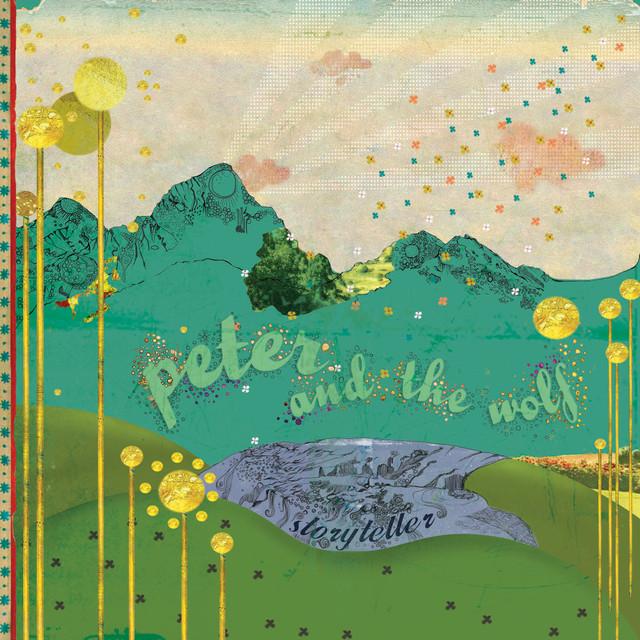
Peter and the Wolf’s Spotify BioThis Liverpudlian trio started to take shape back in 2002 when vocalist Marc Sunderland and drummer Donna Dosanjh met at university, and immediately began sketching tracks together, turning up at the open-mic nights across the city to perform them. Marc completed Team Wolf in 2004 with the addition of double-bassist Hugo Harrison. After being signed to Skinny Dog records by Elbow frontman Guy Garvey, the release of EP ‘Storyteller’ was received with critical acclaim, receiving 4 stars in the Independent. The band then expanded their sonic palette on debut album ‘Golden Stars’ with producer Gavin Monaghan (Editors, Robert Plant, Scott Matthews). Since the trio split in 2011, the band’s songs have reached worldwide with ‘The Reason’ at over 7.1 million plays on Spotify. These days you can find double bass player virtuoso Hugo playing jazz at various Liverpool venues. Marc is a member of ‘The Drifting Classroom’ and has recently started a new guitar/synth project called ‘Peter and the… Werewolf’. Marc has talked about releasing another record from his vault of material, so time only knows what the future holds for ‘Peter and the Wolf’.
Viberate is a music analytics platform built for A&Rs, artist managers, labels, booking agents, marketers, and artists.
It helps music professionals track artist growth, analyze audience data, monitor playlist activity, compare artists, follow song performance, and identify opportunities across the music market.
Public artist pages provide a free preview of selected artist data. Paid plans provide access to deeper analytics, historical data, charts, comparisons, playlist tools, exports, alerts, reports, and additional professional features.
Yes. Public Viberate artist pages provide selected artist analytics and music data for free.
Viberate also offers a 7-day free trial of the full platform. A credit card is required to start the trial. The trial includes access to the complete product so users can test deeper artist analytics, historical views, playlist insights, comparisons, charts, exports, alerts, and reporting features before choosing a paid plan.
Viberate provides artist analytics across streaming, playlists, social media, video, radio airplay, songs, and audience markets.
Users can analyze Spotify performance, Spotify and Apple Music playlists, YouTube activity, TikTok and Instagram growth, radio spins, song performance, audience locations, demographics, rankings, and overall artist momentum.
Artist profiles also connect to music charts, similar artists, and comparison tools, helping users benchmark performance and evaluate artists in context.
Viberate updates key artist and track data daily.
For followed artists and tracks, selected data is refreshed multiple times per day. This helps teams monitor playlist changes, streaming movement, audience growth, releases, and campaign performance with more current data.
Update frequency can vary depending on the metric and data source.
Yes. Viberate lets users compare up to five artists side by side across streaming, social media, audience, and engagement metrics.
Users can compare fanbase growth, audience demographics, locations, Spotify performance, social metrics, and other artist data over selected time periods.
Artist comparison can be used for A&R scouting, benchmarking, booking decisions, campaign planning, and evaluating artists with similar audiences or market positions.