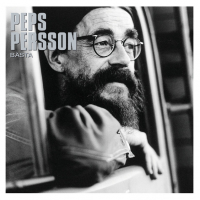
Peps Persson

Reggae
Roots Reggae
Mainstream Pop
 Viberate Rank: 179504
 Viberate Rank: 179504
 Monthly ListenersFollowers
 Subscribers
 Followers
 Followers
 FansTop Spotify Songs
| Track | 7-Day Streams | |
|---|---|---|
1 | 15.99K | |
2 | 2.58K | |
3 | 2.56K | |
4 | 1.21K | |
5 | 1.13K |
Top YouTube Videos| Video | 7-Day Views | |
|---|---|---|
1 | 790 | |
2 | 110 |
Monthly ListenersFeatured in Playlists| Playlist | Followers | |
|---|---|---|
1 |  Svenska låtar alla kan! 🇸🇪 Filtr Sweden | 111.64K |
2 |  SVENSKA BANGERS Are Högsnes | 73.82K |
3 |  Sommarklassiker 🇸🇪 Filtr Legacy Sweden | 68.62K |
4 |  90-tals Hits ✨ 90-talets bästa låtar Filtr Sweden | 63.28K |
5 |  Svenska Klassiker 🇸🇪 hits & favoriter Filtr Sweden | 47.37K |
Audience| City | Monthly Listeners | |
|---|---|---|
1 | | 12.73K |
2 | | 8.77K |
3 | | 8.33K |
4 | | 1.58K |
5 | | 1.56K |
See full performance history, audience data, playlist activity, rankings, comparisons, and more in Viberate music analytics. Start with a free trial, then continue with a paid plan.
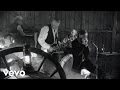
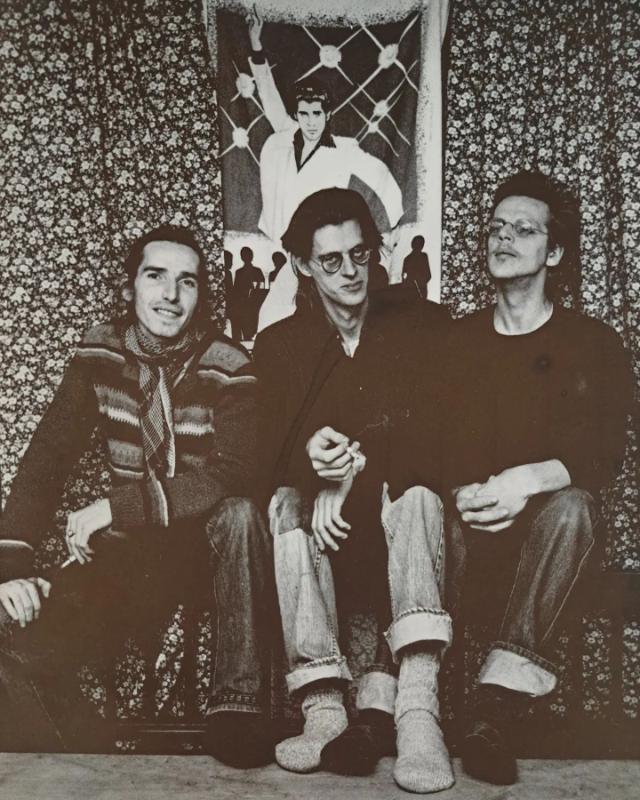
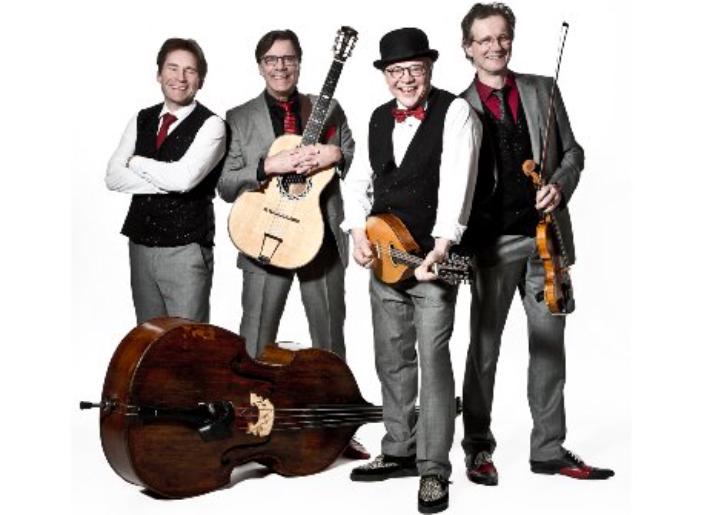
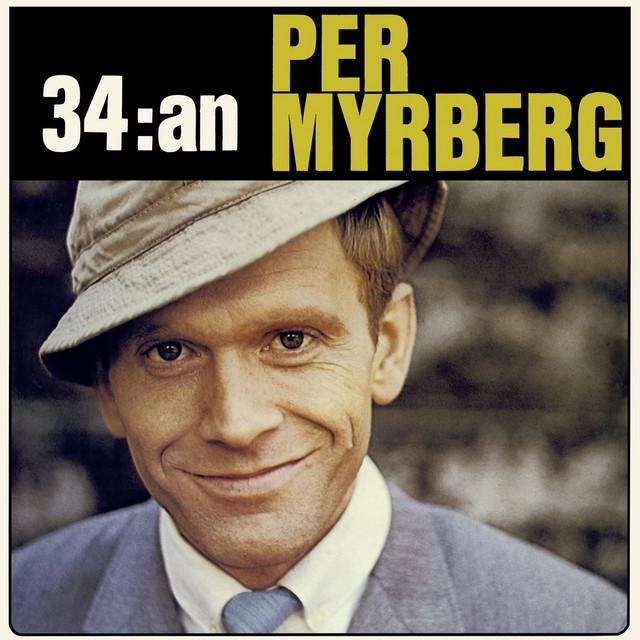
Peps Persson’s Spotify BioPeps Persson was probably the most important artist in introducing blues to Sweden in the late '60s and early '70s. Since then he has had a reputation of being mainly a blues artist, but his discography shows a much wider range, including Afro-pop, reggae, R&B, and folk. Peps Persson is most easily recognized by his full and trembling voice, and his extreme deep south (Swedish) dialect that gives him a wide selection of words and rhymes. In a peculiar way it also helps him to adapt Swedish to blues music, a thing not many have mastered.
In 1966, Peps Persson formed the group Downbeat Crowd and released a cover of Muddy Waters' "Got My Mojo Working" as a single. The first LP, Blues Connection, was released 1968 on Gazell and the name of the band was now Linkin' Louisiana Peps. The coming few records were released on Sonet, a label he would keep to for most of his career, and followed a traditional blues and R&B formula. The Week Peps Came to Chicago was recorded in Chicago 1972 with Sunn…yland Slim and Jimmy Dawkins and in 1973 he formed Peps Blodsband. This was to be his longest lasting group and consisted of organist and percussionist Brynn Settels, bassist Rolf Alm, and drummer Bosse Skoglund, with many musicians added on the various albums. His last pure blues album in a longtime was Blues Pa Svenska, recorded in 1975 together with pianist Slim Notini and containing translated blues standards. The main influences the coming years were instead to be Afro-pop and reggae, and blended with R&B and blues it made up a very personal sound. This formula was tried already the same year on Hog Standard, Peps Persson's most well-known album and one that contained highly political lyrics about low wages and solidarity with liberation fronts. Such a social conscience was to show on many of his recordings, but nevertheless he was never fully accepted by the hardcore ideologists of the political 1970s, who accused him of being too commercial. The exploration of reggae continued with Peps Blodsband and other constellations on records like Droppen Urholkar Stenen and Spar, and some excursions into Swedish folk music was made on Fyra Tunnland Bedor Om Dan and Persson Sjonger Persson, where he covered classic Swedish comedy actor and singer Edward Persson. During the '80s, Peps Perssons political messages were seen as old fashioned and that helped to marginalize him. Most of the century he held a low profile, with an exception for the rock-reggae hit "Lived Po Lanned," originally "Give Me the Country" by Robert Parker. While playing blues gigs, he stayed out of the blues revival of the late '80s and early '90s and the albums instead showed an increasing influence from Afro-pop. In 1997 Peps Persson finally returned to his blues roots on the album Rotblos, which again contained blues standards translated into Swedish, a difficult task, but one that was awarded both with critical acclaim and commercial success. In playing blues Peps Persson gets to show that except for being a soulful and good singer, he is a skilled guitarist and a brilliant harmonica player, a fact that is often overlooked. ~ Lars Lovén, Rovi
Viberate is a music analytics platform built for A&Rs, artist managers, labels, booking agents, marketers, and artists.
It helps music professionals track artist growth, analyze audience data, monitor playlist activity, compare artists, follow song performance, and identify opportunities across the music market.
Public artist pages provide a free preview of selected artist data. Paid plans provide access to deeper analytics, historical data, charts, comparisons, playlist tools, exports, alerts, reports, and additional professional features.
Yes. Public Viberate artist pages provide selected artist analytics and music data for free.
Viberate also offers a 7-day free trial of the full platform. A credit card is required to start the trial. The trial includes access to the complete product so users can test deeper artist analytics, historical views, playlist insights, comparisons, charts, exports, alerts, and reporting features before choosing a paid plan.
Viberate provides artist analytics across streaming, playlists, social media, video, radio airplay, songs, and audience markets.
Users can analyze Spotify performance, Spotify and Apple Music playlists, YouTube activity, TikTok and Instagram growth, radio spins, song performance, audience locations, demographics, rankings, and overall artist momentum.
Artist profiles also connect to music charts, similar artists, and comparison tools, helping users benchmark performance and evaluate artists in context.
Viberate updates key artist and track data daily.
For followed artists and tracks, selected data is refreshed multiple times per day. This helps teams monitor playlist changes, streaming movement, audience growth, releases, and campaign performance with more current data.
Update frequency can vary depending on the metric and data source.
Yes. Viberate lets users compare up to five artists side by side across streaming, social media, audience, and engagement metrics.
Users can compare fanbase growth, audience demographics, locations, Spotify performance, social metrics, and other artist data over selected time periods.
Artist comparison can be used for A&R scouting, benchmarking, booking decisions, campaign planning, and evaluating artists with similar audiences or market positions.