Penta

Electronic
Psy Trance
 Viberate Rank: 192564
 Viberate Rank: 192564
 Monthly ListenersFollowers
 Subscribers
 Followers
 Followers
 FansTop Spotify Songs
| Track | 7-Day Streams | |
|---|---|---|
1 | 187 | |
2 | 130 | |
3 | 87 | |
4 | 58 | |
5 | 53 |
Top YouTube Videos| Video | 7-Day Views | |
|---|---|---|
1 | 50 | |
2 | 43 | |
3 | 24 | |
4 | 11 | |
5 | 9 |
Monthly ListenersFeatured in Playlists| Playlist | Followers | |
|---|---|---|
1 |  Goa Trance/Psy Trance Zazie Productions | 31.29K |
2 |  Forest/Dark Psytrance Kim Söderholm | 10.66K |
3 | Cardio Session Renata Barreto | 5.61K |
4 | Psy/Goa/Prog/Dark-trance jo0ppe | 5.26K |
5 | Hitech 🌗 Darkpsy Alex Josue | 4.26K |
Audience| City | Monthly Listeners | |
|---|---|---|
1 |  | 52 |
2 |  | 48 |
3 |  | 45 |
4 | | 19 |
5 |  | 18 |
See full performance history, audience data, playlist activity, rankings, comparisons, and more in Viberate music analytics. Start with a free trial, then continue with a paid plan.
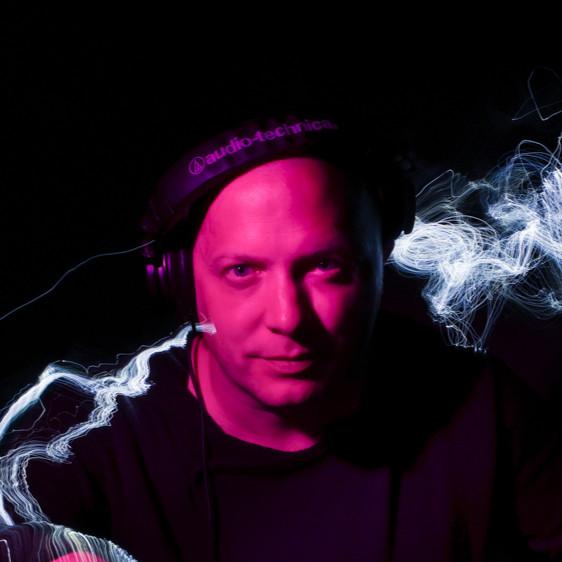
Penta’s Spotify BioNikita Tselovalnikov, the psytrance producer behind Penta, has been making music since 1988. Having played as a trance producer in around 40 countries around the world, appearing repeatedly in every major festival such as Boom, Voov, Universo Paralello, Full Moon and Burning Man, Nikita has gained reputation as one of the pioneers and innovators in the psytrance world. Being identified with darkpsy, full-on and progressive genres at the same time, Penta’s unique futuristic sound has brought together people of different scenes into one swirling psychedelic dance. You will find Penta’s tracks on dozens of compilations as well as six albums – “Pentafiles”, “Funraiser”, “Horn Please”, “Portuguese Abduction”, “Give MeFive!”, and “All Shots Double” all available as either CDs or digital downloads in on-line stores such as Beatport and iTunes.
Apart from being a producer, Nikita is the designer, web developer, and, along with his wife Catia, the owner of AuraQuake record label, as well as the… creator of AuraQuake t-shirt line. He is also the man behind spontaneous projects, such as psynebula.com psytrance radio, Boom festival radio and Universo Paralello YouTube broadcasts. Since 2008, Nikita is performing his own electro house music under the name Azorsky. He is currently living between Portugal and Mexico.
Viberate is a music analytics platform built for A&Rs, artist managers, labels, booking agents, marketers, and artists.
It helps music professionals track artist growth, analyze audience data, monitor playlist activity, compare artists, follow song performance, and identify opportunities across the music market.
Public artist pages provide a free preview of selected artist data. Paid plans provide access to deeper analytics, historical data, charts, comparisons, playlist tools, exports, alerts, reports, and additional professional features.
Yes. Public Viberate artist pages provide selected artist analytics and music data for free.
Viberate also offers a 7-day free trial of the full platform. A credit card is required to start the trial. The trial includes access to the complete product so users can test deeper artist analytics, historical views, playlist insights, comparisons, charts, exports, alerts, and reporting features before choosing a paid plan.
Viberate provides artist analytics across streaming, playlists, social media, video, radio airplay, songs, and audience markets.
Users can analyze Spotify performance, Spotify and Apple Music playlists, YouTube activity, TikTok and Instagram growth, radio spins, song performance, audience locations, demographics, rankings, and overall artist momentum.
Artist profiles also connect to music charts, similar artists, and comparison tools, helping users benchmark performance and evaluate artists in context.
Viberate updates key artist and track data daily.
For followed artists and tracks, selected data is refreshed multiple times per day. This helps teams monitor playlist changes, streaming movement, audience growth, releases, and campaign performance with more current data.
Update frequency can vary depending on the metric and data source.
Yes. Viberate lets users compare up to five artists side by side across streaming, social media, audience, and engagement metrics.
Users can compare fanbase growth, audience demographics, locations, Spotify performance, social metrics, and other artist data over selected time periods.
Artist comparison can be used for A&R scouting, benchmarking, booking decisions, campaign planning, and evaluating artists with similar audiences or market positions.