Penny Was Right

Punk
Punk Rock
Skate Punk
 Viberate Rank: 408788
 Viberate Rank: 408788
 Monthly ListenersFollowers
 Subscribers
 Followers
 Followers
 FansTop Spotify Songs
| Track | 7-Day Streams | |
|---|---|---|
1 | 5 | |
2 | 2 | |
3 | 2 | |
4 | 2 | |
5 | 2 |
Top YouTube VideosMonthly ListenersFeatured in PlaylistsAudience| City | Monthly Listeners | |
|---|---|---|
1 | | 3 |
See full performance history, audience data, playlist activity, rankings, comparisons, and more in Viberate music analytics. Start with a free trial, then continue with a paid plan.
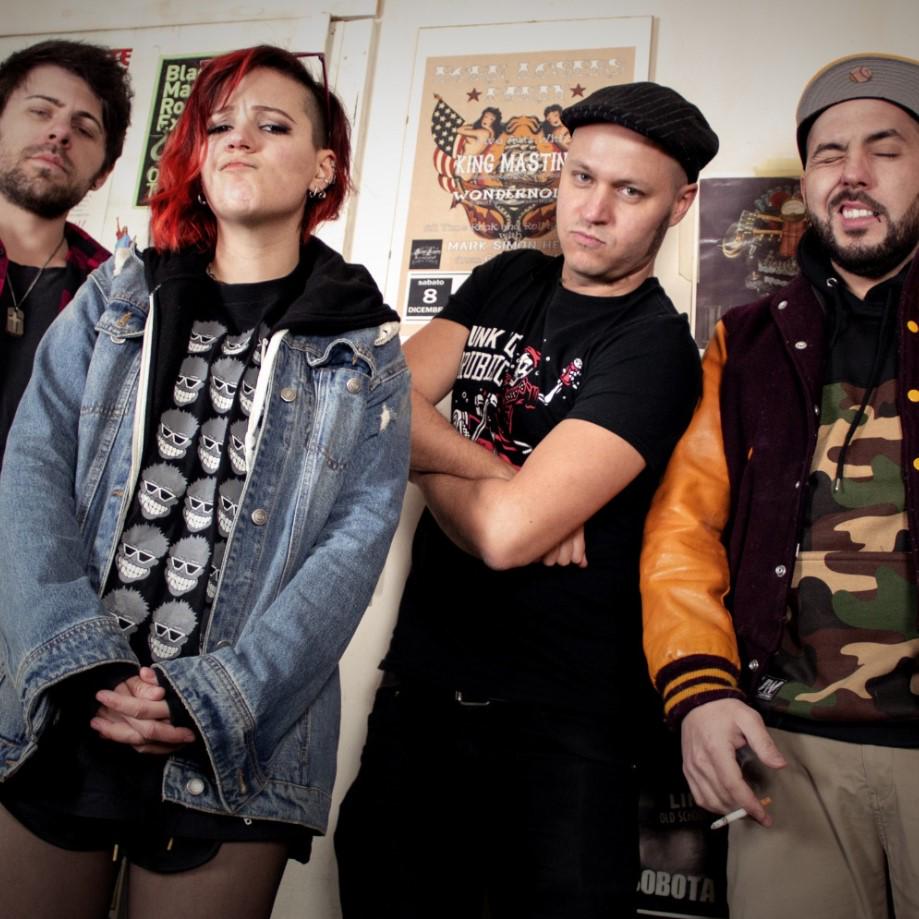
Penny Was Right’s Spotify BioCreated in 2013 by Dalia Al Shahawi, Penny Was Right is a punk rock quintet from Paris composed of Caradec Rio & Loïc Perrin on guitar, Clément Schepens on bass and Alexis Labro on drums.
The band delivers an energetic and unpretentious music at the crossroads of Californian punk rock and pop rock, especially with Dalia's voice, which sometimes reminds us of P!nk. Influenced by the icons of the movement (Blink 182, Sum41, Billy Talent), Penny Was Right is also inspired by other bands such as Rise Against, Alter Bridge, The Distillers or even Bring Me the Horizon.
Penny Was Right first released a self-titled debut EP in 2013 and the single ''Zebra Style Losers'' in 2015. The band then released the EP ''We Were Kids'' in 2016 and opened for bands like Wheatus, Courage My Love, FatLiners and Bad Cop/Bad Cop on Parisian stages.
In 2018, the band released their very first album, "Dumb & Wild" recorded in Italy. This was followed by numerous dates in France but especially abroad with tours in… Belgium, England and Eastern Europe.
At the end of 2019, Penny was right changed their line-up and welcomed their new drummer Alexis. The band then decided to work on an album, which would be more in line with their artistic expectations. A rather good timing, as 2020 turned out to be a year without live performances for the band – as for everyone else. The band returned to the studio in early 2021 to record Happy Machine, which is scheduled for release on December 10th, 2021.
Viberate is a music analytics platform built for A&Rs, artist managers, labels, booking agents, marketers, and artists.
It helps music professionals track artist growth, analyze audience data, monitor playlist activity, compare artists, follow song performance, and identify opportunities across the music market.
Public artist pages provide a free preview of selected artist data. Paid plans provide access to deeper analytics, historical data, charts, comparisons, playlist tools, exports, alerts, reports, and additional professional features.
Yes. Public Viberate artist pages provide selected artist analytics and music data for free.
Viberate also offers a 7-day free trial of the full platform. A credit card is required to start the trial. The trial includes access to the complete product so users can test deeper artist analytics, historical views, playlist insights, comparisons, charts, exports, alerts, and reporting features before choosing a paid plan.
Viberate provides artist analytics across streaming, playlists, social media, video, radio airplay, songs, and audience markets.
Users can analyze Spotify performance, Spotify and Apple Music playlists, YouTube activity, TikTok and Instagram growth, radio spins, song performance, audience locations, demographics, rankings, and overall artist momentum.
Artist profiles also connect to music charts, similar artists, and comparison tools, helping users benchmark performance and evaluate artists in context.
Viberate updates key artist and track data daily.
For followed artists and tracks, selected data is refreshed multiple times per day. This helps teams monitor playlist changes, streaming movement, audience growth, releases, and campaign performance with more current data.
Update frequency can vary depending on the metric and data source.
Yes. Viberate lets users compare up to five artists side by side across streaming, social media, audience, and engagement metrics.
Users can compare fanbase growth, audience demographics, locations, Spotify performance, social metrics, and other artist data over selected time periods.
Artist comparison can be used for A&R scouting, benchmarking, booking decisions, campaign planning, and evaluating artists with similar audiences or market positions.