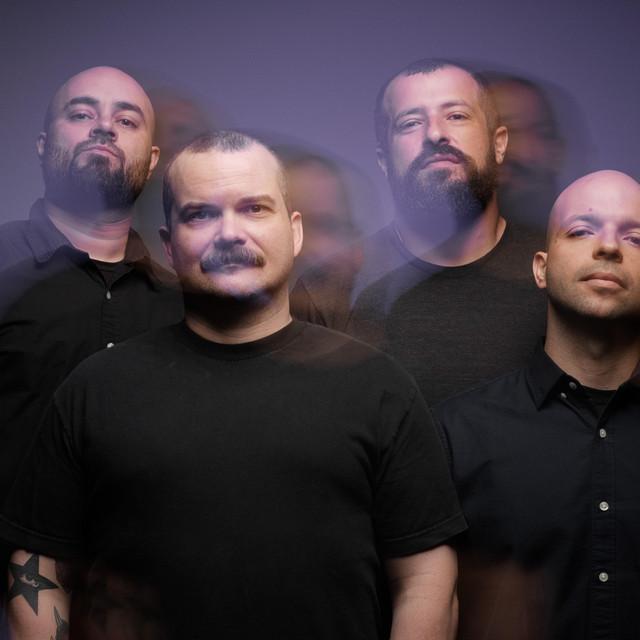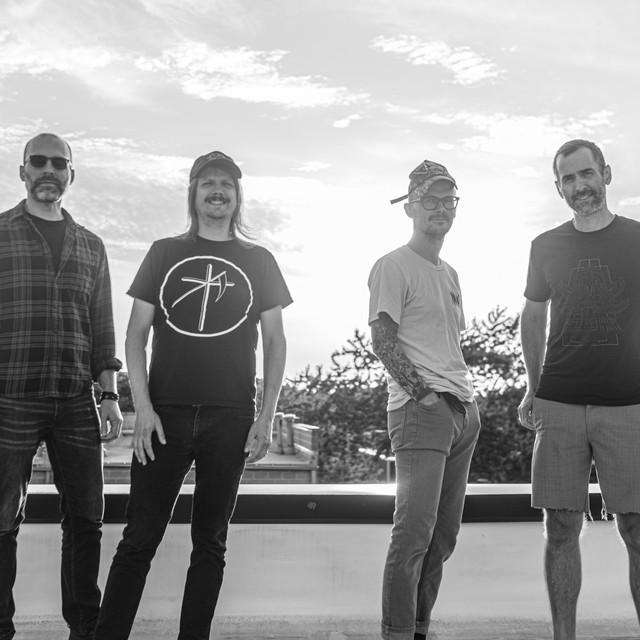
Pelican

Metal
Doom/Sludge Metal
Post Rock
Alternative Metal
 Viberate Rank: 54956
 Viberate Rank: 54956
 Monthly ListenersFollowers
 Subscribers
 Followers
 Followers
 FansTop Spotify Songs
| Track | 7-Day Streams | |
|---|---|---|
1 | 5.75K | |
2 | 4.67K | |
3 | 2.57K | |
4 | 2.26K | |
5 | 1.90K |
Top YouTube VideosMonthly ListenersFeatured in Playlists| Playlist | Followers | |
|---|---|---|
1 |  TOOL - rock inspired by Maynard Keenan, the Deftones, Nine Inch Nails, A Perfect Circle and Puscifer Jerry G | 72.40K |
2 |  Post-Rock Spotify | 70.37K |
3 |  SAMURAI CHAMPLOO Phyllis Chen | 68.44K |
4 |  Stoner Rock & Psychedelic Space Rock StonerRock.Space | 36.07K |
5 |  True Blood Sountrack Seasons 1 – 7 Carolyn Hall | 32.16K |
Audience| City | Monthly Listeners | |
|---|---|---|
1 | | 700 |
2 | | 458 |
3 |  | 455 |
4 | | 412 |
5 | | 407 |
See full performance history, audience data, playlist activity, rankings, comparisons, and more in Viberate music analytics. Start with a free trial, then continue with a paid plan.
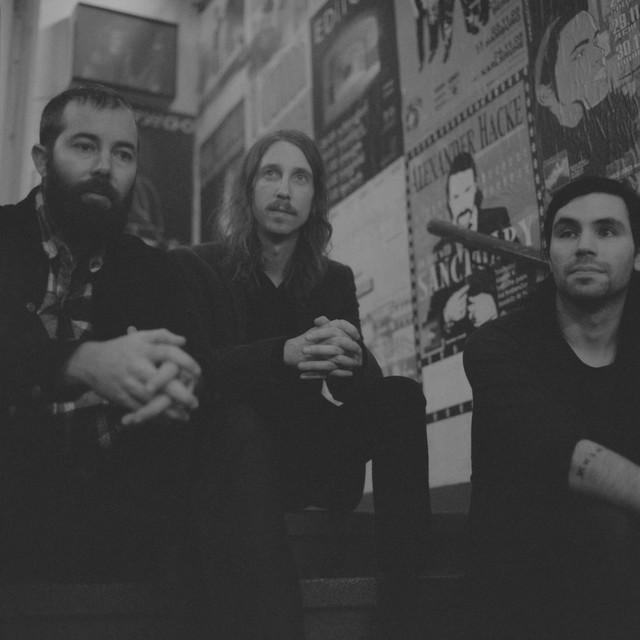
Pelican’s Spotify BioPelican has always been a band not just from Chicago, but distinctly of Chicago. Formed in 2000 by guitarists Trevor Shelley de Brauw and Laurent Schroeder-Lebec alongside brothers Bryan and Larry Herweg on bass and drums, Pelican emerged from the city’s free-spirited, genre-fluid scene. “The ‘90s in Chicago was a free-for-all. Everyone was just coming from a place of pure creativity,” says Shelley de Brauw. With Schroeder-Lebec returning after Dallas Thomas’ 2022 exit, the band embraced their roots while forging something new on Flickering Resonance.
Longtime fans will recognize Pelican’s ever-evolving ethos, now underscored by their partnership with Run For Cover Records. The new album highlights the band’s broad influences—not just from titanic metal acts like Godflesh and Goatsnake, but also ‘90s post-hardcore, space-rock, and emo. Quicksand, Christie Front Drive, and Hum shaped their sound as much as heavier bands did. “A lot of people didn’t hear it,” Schroeder-Lebec says. “I was… like, well, I guess the metal world is where we fit. But now, I’m willing to acknowledge all the suits we’re wearing.”
With Flickering Resonance, Pelican shifts their focus from pure catharsis to an appreciation of fleeting joy, finding light even in the heaviest moments. This reinvigorated lineup proves that their sound remains as dynamic and vital as ever.
Viberate is a music analytics platform built for A&Rs, artist managers, labels, booking agents, marketers, and artists.
It helps music professionals track artist growth, analyze audience data, monitor playlist activity, compare artists, follow song performance, and identify opportunities across the music market.
Public artist pages provide a free preview of selected artist data. Paid plans provide access to deeper analytics, historical data, charts, comparisons, playlist tools, exports, alerts, reports, and additional professional features.
Yes. Public Viberate artist pages provide selected artist analytics and music data for free.
Viberate also offers a 7-day free trial of the full platform. A credit card is required to start the trial. The trial includes access to the complete product so users can test deeper artist analytics, historical views, playlist insights, comparisons, charts, exports, alerts, and reporting features before choosing a paid plan.
Viberate provides artist analytics across streaming, playlists, social media, video, radio airplay, songs, and audience markets.
Users can analyze Spotify performance, Spotify and Apple Music playlists, YouTube activity, TikTok and Instagram growth, radio spins, song performance, audience locations, demographics, rankings, and overall artist momentum.
Artist profiles also connect to music charts, similar artists, and comparison tools, helping users benchmark performance and evaluate artists in context.
Viberate updates key artist and track data daily.
For followed artists and tracks, selected data is refreshed multiple times per day. This helps teams monitor playlist changes, streaming movement, audience growth, releases, and campaign performance with more current data.
Update frequency can vary depending on the metric and data source.
Yes. Viberate lets users compare up to five artists side by side across streaming, social media, audience, and engagement metrics.
Users can compare fanbase growth, audience demographics, locations, Spotify performance, social metrics, and other artist data over selected time periods.
Artist comparison can be used for A&R scouting, benchmarking, booking decisions, campaign planning, and evaluating artists with similar audiences or market positions.