Pele

Electronic
House
Math Rock
 Viberate Rank: 184794
 Viberate Rank: 184794
 Monthly ListenersFollowers
 Subscribers
 Followers
 Followers
 FansTop Spotify Songs
| Track | 7-Day Streams | |
|---|---|---|
1 | 30.03K | |
2 | 5.68K | |
3 | 2.34K | |
4 | 2.23K | |
5 | 2.17K |
Top YouTube VideosMonthly ListenersFeatured in Playlists| Playlist | Followers | |
|---|---|---|
1 |  Duyster (all tracks ever played) Wike | 8.15K |
2 | Postrock Brantley Booth | 5.89K |
3 | Music for Writing Hans-Peter Akkerman | 5.84K |
4 | Volcano Choir Extended Family volcanochoir | 3.54K |
5 |  Studio Brussel: duyster (all tracks ever played) Studio Brussel | 3.29K |
Audience| City | Monthly Listeners | |
|---|---|---|
1 |  | 19.21K |
2 |  | 5.67K |
3 |  | 2.07K |
4 |  | 1.83K |
5 |  | 1.64K |
See full performance history, audience data, playlist activity, rankings, comparisons, and more in Viberate music analytics. Start with a free trial, then continue with a paid plan.
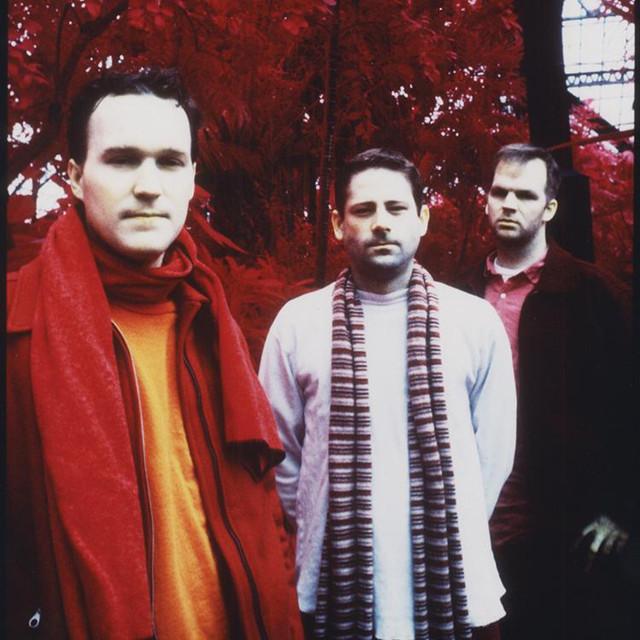
Pele’s Spotify BioMilwaukee post-rock combo Pele was formed in 1997 by guitarist Chris Rosenau, bassist Scott Schoenbeck and drummer Jon Mueller; two weeks before recording their debut record Teaching the History of Teaching Geography, the trio recruited former Promise Ring member Scott Beschta to play keyboards, ultimately the dominant musical element both of the LP and its companion remix disc People Living with Animals. Animals Kill People. After the sessions were completed, Schoenbeck agreed to assume Beschta's onetime bass duties in the Promise Ring, with Beschta himself moving on to other projects as well; the remaining duo of Rosenau and Mueller recruited bassist Matt Tennessen, with whom they'd worked in a pre-Pele group dubbed Tussin, to record 1999's Elephant and 2000's The Nudes. After issuing these intense and complex records, Pele took time away from recording to play live and keep writing. By the fall of 2002, Enemies (which was recorded in a women's shower room) was released on the Polyvi…nyl Records label. In 2004 the band called it quits, but the members continued in other projects: Rosenau, Mueller, and laptopist Jon Minor performed as Collections of Colonies of Bees; and Tennessen played with Paris, Texas. In 2009, the anthology A Scuttled Bender in a Watery Closet looked back at the band's seven years and 13 releases. ~ Jason Ankeny, Rovi
Viberate is a music analytics platform built for A&Rs, artist managers, labels, booking agents, marketers, and artists.
It helps music professionals track artist growth, analyze audience data, monitor playlist activity, compare artists, follow song performance, and identify opportunities across the music market.
Public artist pages provide a free preview of selected artist data. Paid plans provide access to deeper analytics, historical data, charts, comparisons, playlist tools, exports, alerts, reports, and additional professional features.
Yes. Public Viberate artist pages provide selected artist analytics and music data for free.
Viberate also offers a 7-day free trial of the full platform. A credit card is required to start the trial. The trial includes access to the complete product so users can test deeper artist analytics, historical views, playlist insights, comparisons, charts, exports, alerts, and reporting features before choosing a paid plan.
Viberate provides artist analytics across streaming, playlists, social media, video, radio airplay, songs, and audience markets.
Users can analyze Spotify performance, Spotify and Apple Music playlists, YouTube activity, TikTok and Instagram growth, radio spins, song performance, audience locations, demographics, rankings, and overall artist momentum.
Artist profiles also connect to music charts, similar artists, and comparison tools, helping users benchmark performance and evaluate artists in context.
Viberate updates key artist and track data daily.
For followed artists and tracks, selected data is refreshed multiple times per day. This helps teams monitor playlist changes, streaming movement, audience growth, releases, and campaign performance with more current data.
Update frequency can vary depending on the metric and data source.
Yes. Viberate lets users compare up to five artists side by side across streaming, social media, audience, and engagement metrics.
Users can compare fanbase growth, audience demographics, locations, Spotify performance, social metrics, and other artist data over selected time periods.
Artist comparison can be used for A&R scouting, benchmarking, booking decisions, campaign planning, and evaluating artists with similar audiences or market positions.