Pearl Django

Jazz
Swing
Jazz Fusion
 Viberate Rank: 145984
 Viberate Rank: 145984
 Monthly ListenersFollowers
 Subscribers
 Followers
 Followers
 FansTop Spotify Songs
| Track | 7-Day Streams | |
|---|---|---|
1 | 27.50K | |
2 | 6.67K | |
3 | 4.28K | |
4 | 4.02K | |
5 | 1.65K |
Top YouTube VideosMonthly ListenersFeatured in Playlists| Playlist | Followers | |
|---|---|---|
1 |  Café de Paris Spotify | 488.96K |
2 |  French Cafe Lounge Kam Diba | 469.36K |
3 |  Hot Club Swing Spotify | 289.85K |
4 |  Nancy Meyers' Kitchen Michael Bernardini | 62.79K |
5 |  Paris Cafe Jazz gym377 | 35.63K |
Audience| City | Monthly Listeners | |
|---|---|---|
1 |  | 1.67K |
2 |  | 927 |
3 | | 892 |
4 |  | 811 |
5 | | 803 |
See full performance history, audience data, playlist activity, rankings, comparisons, and more in Viberate music analytics. Start with a free trial, then continue with a paid plan.
Pearl Django’s Spotify BioThis popular acoustic jazz band in the Django Reinhardt style grew out of a duo playing relationship between two widely different but somehow similar guitarists. Neil Anderson had begun his professional music career as a member of the garage band the Wailers, often pointed out as an early version of what would later be thought of as a punk band. Dudley Hill didn't really like rock as a teenager, being an oddball type who was more drawn to old-time music and wound up playing with legendary Texas fiddler Benny Thomasson in the '70s. By the time the two guitarists got together in the late '80s, both were on musical journeys that would lead to the formation of an acoustic swing band, to be known as Pearl Django. At first, the two guitarists stuck to a duo act centering around blues and jazz, but with the addition of bassist David Firman, an ensemble was born. In 1995, Vancouver luthier and guitarist Michael Dunn set up a gig for the new band a few hours North in Vancouver, Canada. One of… Dunn's students named Shelley Park showed up to check out the gig. At that point, she was a member of a group whose name suggests a fusion of gypsy jazz and Sun Ra, Michael's Hot Club of Mars. Park jumped off the spaceship and joined Pearl Django, the move leading to one of those sweet combinations of players that makes certain combos really sounds good to the ears. The group recorded its first album, Le Jazz Hot, in the same year, and a follow-up the next year, in which violinist Michael Gray was added to the lineup. For several years, the band enjoyed rave reviews and a steady stream of festival and club engagements.
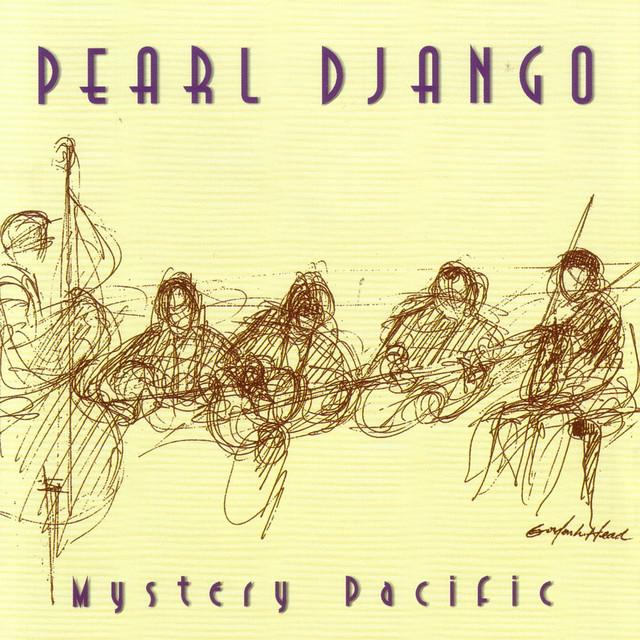
Firman left the group in 1998 and was replaced by bassist Rick Leppanen. The new version of the band recorded the CD Mystery Pacific in 1999. In May of the same year, the band began work on a tribute to famous swing violinist Stephane Grappelli, one of their idol Django's closest cohorts. The group formed its own label, Modern Hot Records, around the time of this project's completion. In 2000, the band released its fifth CD and was featured on National Public Radio's All Things Considered in 2001. ~ Eugene Chadbourne, Rovi
Viberate is a music analytics platform built for A&Rs, artist managers, labels, booking agents, marketers, and artists.
It helps music professionals track artist growth, analyze audience data, monitor playlist activity, compare artists, follow song performance, and identify opportunities across the music market.
Public artist pages provide a free preview of selected artist data. Paid plans provide access to deeper analytics, historical data, charts, comparisons, playlist tools, exports, alerts, reports, and additional professional features.
Yes. Public Viberate artist pages provide selected artist analytics and music data for free.
Viberate also offers a 7-day free trial of the full platform. A credit card is required to start the trial. The trial includes access to the complete product so users can test deeper artist analytics, historical views, playlist insights, comparisons, charts, exports, alerts, and reporting features before choosing a paid plan.
Viberate provides artist analytics across streaming, playlists, social media, video, radio airplay, songs, and audience markets.
Users can analyze Spotify performance, Spotify and Apple Music playlists, YouTube activity, TikTok and Instagram growth, radio spins, song performance, audience locations, demographics, rankings, and overall artist momentum.
Artist profiles also connect to music charts, similar artists, and comparison tools, helping users benchmark performance and evaluate artists in context.
Viberate updates key artist and track data daily.
For followed artists and tracks, selected data is refreshed multiple times per day. This helps teams monitor playlist changes, streaming movement, audience growth, releases, and campaign performance with more current data.
Update frequency can vary depending on the metric and data source.
Yes. Viberate lets users compare up to five artists side by side across streaming, social media, audience, and engagement metrics.
Users can compare fanbase growth, audience demographics, locations, Spotify performance, social metrics, and other artist data over selected time periods.
Artist comparison can be used for A&R scouting, benchmarking, booking decisions, campaign planning, and evaluating artists with similar audiences or market positions.