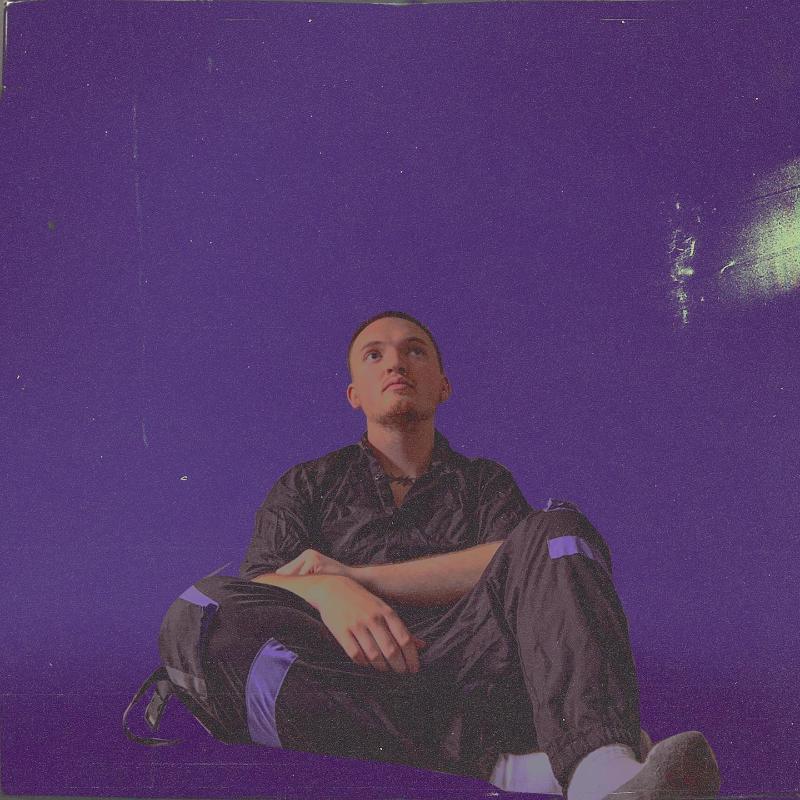
PAYCHECK

Hip Hop
Alternative Hip Hop
 Viberate Rank: 71707
 Viberate Rank: 71707
 Monthly ListenersFollowers
 Subscribers
 Followers
 Followers
 FansTop Spotify Songs
| Track | 7-Day Streams | |
|---|---|---|
1 | 53.38K | |
2 | 40.42K | |
3 | 35.71K | |
4 | 15.38K | |
5 | 15.26K |
Top YouTube Videos| Video | 7-Day Views | |
|---|---|---|
1 | 2.67K | |
2 | 2.05K | |
3 | 2.02K | |
4 | 758 | |
5 | 194 |
Monthly ListenersFeatured in Playlists| Playlist | Followers | |
|---|---|---|
1 |  Sad Trap Promoting Sounds | 118.83K |
2 |  Emotional Rap/Trap Promoting Sounds | 104.45K |
3 |  New Rap Brandon Edwards | 79.60K |
4 |  sad chill Promoting Sounds | 71.76K |
5 |  Non Copyright Music For Twitch Streams Promoting Sounds | 64.61K |
Audience| City | Monthly Listeners | |
|---|---|---|
1 |  | 3.55K |
2 | | 3.26K |
3 | | 3.12K |
4 | | 2.81K |
5 | | 2.71K |
See full performance history, audience data, playlist activity, rankings, comparisons, and more in Viberate music analytics. Start with a free trial, then continue with a paid plan.
PAYCHECK’s Spotify BioPaycheck is an underground artist from Raleigh, North Carolina. Entering the music scene at the age of 14, he released four mixtapes throughout late 2017 and early 2019, gaining traction with songs like "losing interest", "insomnia" & "forgive me for my honesty". Consolidating these mixtapes into one project titled "identity crisis", the artist then went quiet on social media in order to focus on his craft.
After switching to online school and spending time in Los Angeles throughout 2019 and early 2020 courting management groups and A&R's, during the worldwide lockdowns, Paycheck began to double down on refining his creative process. In Fall of 2020, he released the single "Broken Glass" featuring Eredaze, which quickly gained momentum reaching one million streams on Spotify in less than a month, all while still keeping a low profile on social media.
After leaving online school and moving out in 2021, he quietly rolled out the "ANGEL OF DEATH" EP, with a much darker and edgier sound than… before. The first half of 2022 saw him continue this sound, with the singles "SUCKER4PAIN" and "TOXIC TWINS". That same summer, Paycheck released "HIGHSCHOOL DROPOUT", an energetic hyperpop track, signifying another shift in sound for the artist. After releasing subsequent singles, Paycheck released the album "i woke up in september" in Spring of 2023, blending influences of Pop, Hip Hop/Rap, R&B/Soul & Psychedelic Rock.
♛ ࿏ ✣ ᕯ ♝
Instagram: @paycheck.wav
Booking: contact@iampaycheck.com
Viberate is a music analytics platform built for A&Rs, artist managers, labels, booking agents, marketers, and artists.
It helps music professionals track artist growth, analyze audience data, monitor playlist activity, compare artists, follow song performance, and identify opportunities across the music market.
Public artist pages provide a free preview of selected artist data. Paid plans provide access to deeper analytics, historical data, charts, comparisons, playlist tools, exports, alerts, reports, and additional professional features.
Yes. Public Viberate artist pages provide selected artist analytics and music data for free.
Viberate also offers a 7-day free trial of the full platform. A credit card is required to start the trial. The trial includes access to the complete product so users can test deeper artist analytics, historical views, playlist insights, comparisons, charts, exports, alerts, and reporting features before choosing a paid plan.
Viberate provides artist analytics across streaming, playlists, social media, video, radio airplay, songs, and audience markets.
Users can analyze Spotify performance, Spotify and Apple Music playlists, YouTube activity, TikTok and Instagram growth, radio spins, song performance, audience locations, demographics, rankings, and overall artist momentum.
Artist profiles also connect to music charts, similar artists, and comparison tools, helping users benchmark performance and evaluate artists in context.
Viberate updates key artist and track data daily.
For followed artists and tracks, selected data is refreshed multiple times per day. This helps teams monitor playlist changes, streaming movement, audience growth, releases, and campaign performance with more current data.
Update frequency can vary depending on the metric and data source.
Yes. Viberate lets users compare up to five artists side by side across streaming, social media, audience, and engagement metrics.
Users can compare fanbase growth, audience demographics, locations, Spotify performance, social metrics, and other artist data over selected time periods.
Artist comparison can be used for A&R scouting, benchmarking, booking decisions, campaign planning, and evaluating artists with similar audiences or market positions.