Payback

Metal
Thrash Metal
Death Metal
 Viberate Rank: 421007
 Viberate Rank: 421007
 Monthly ListenersFollowers
 Subscribers
 Followers
 Followers
 FansTop Spotify Songs
| Track | 7-Day Streams | |
|---|---|---|
1 | 34 | |
2 | 11 | |
3 | 11 | |
4 | 5 | |
5 | 5 |
Top YouTube VideosMonthly ListenersFeatured in Playlists| Playlist | Followers | |
|---|---|---|
1 |  New Wave Of Thrash Metal Andrew Saalmann | 4.41K |
2 |  Crossover, Thrash & Hardcore - Brasil Punkzilla! | 2.42K |
3 | Wanna listen to some tunes? Eris | 1.84K |
Audience| City | Monthly Listeners | |
|---|---|---|
1 | | 27 |
2 | | 13 |
3 | | 5 |
4 |  | 3 |
5 | | 3 |
See full performance history, audience data, playlist activity, rankings, comparisons, and more in Viberate music analytics. Start with a free trial, then continue with a paid plan.
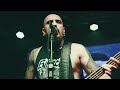
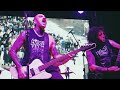
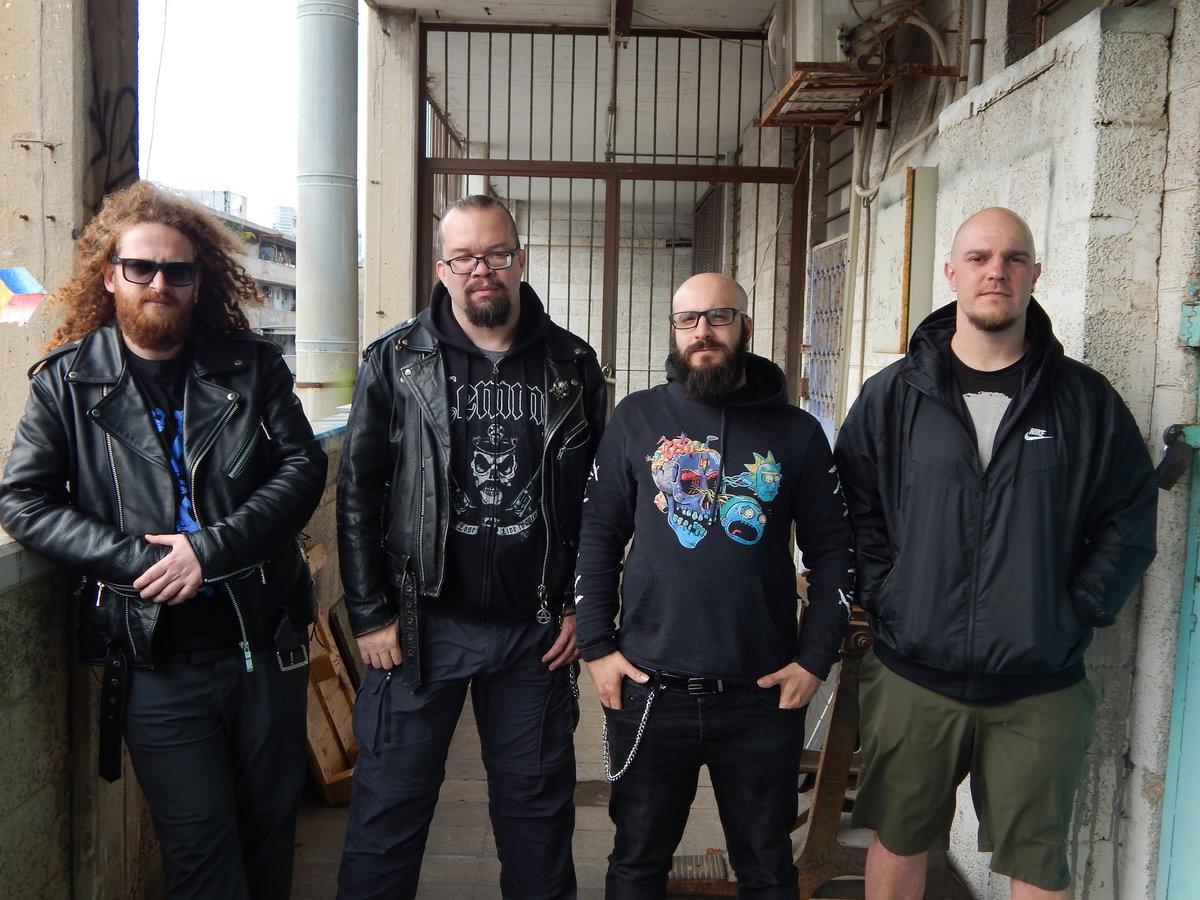
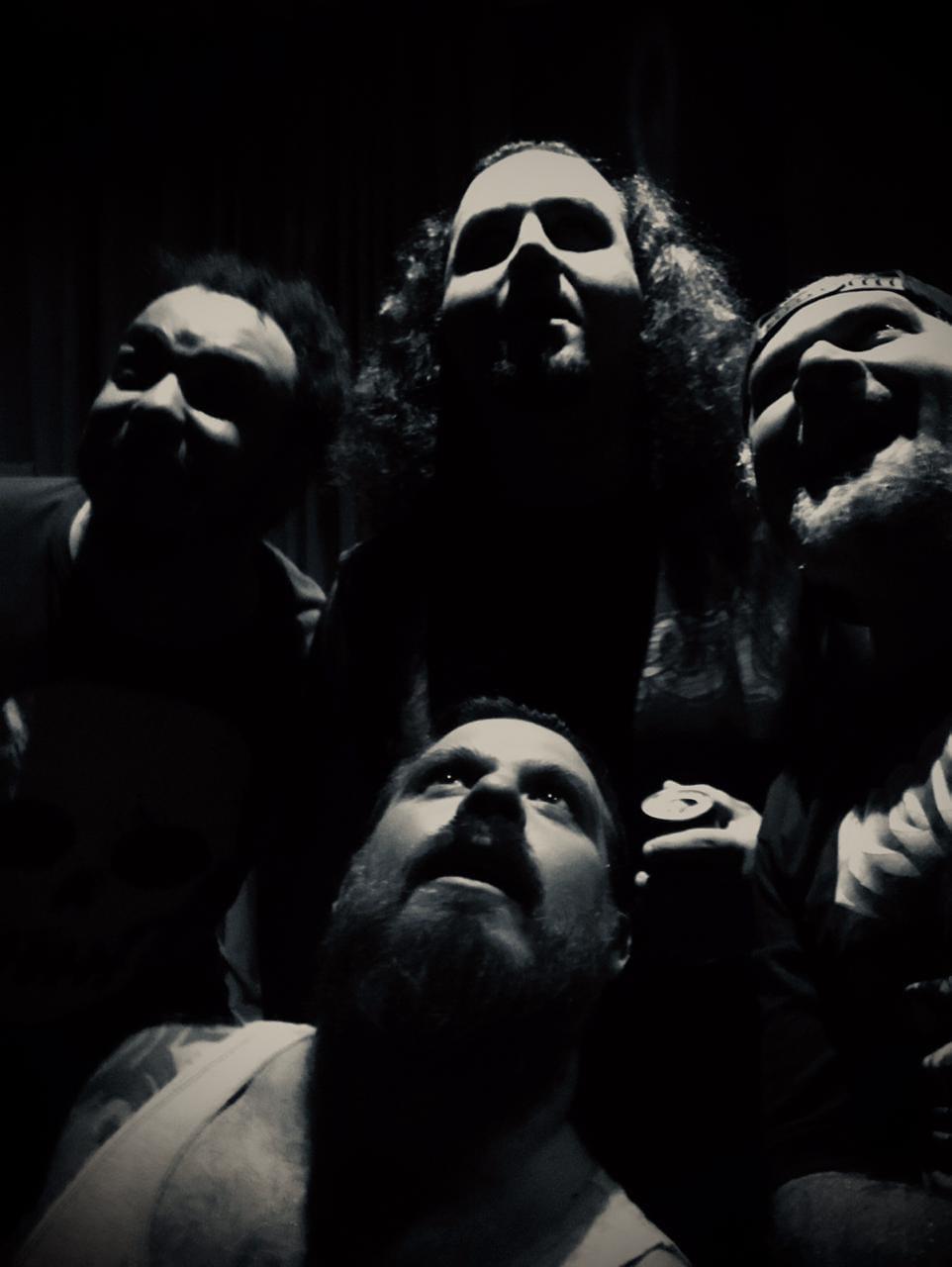
Payback’s Spotify BioENG: Payback was born in 2011, in Belo Horizonte, Minas Gerais. In 2020, the band entered the studio and recorded their first official release, "Padecer", by Black Hole Productions. "Padecer" was very well rated by specialized critics, earning praise from magazines such as Roadie Crew, Raro Zine, Canal Scena and figures such as João Gordo, among others.
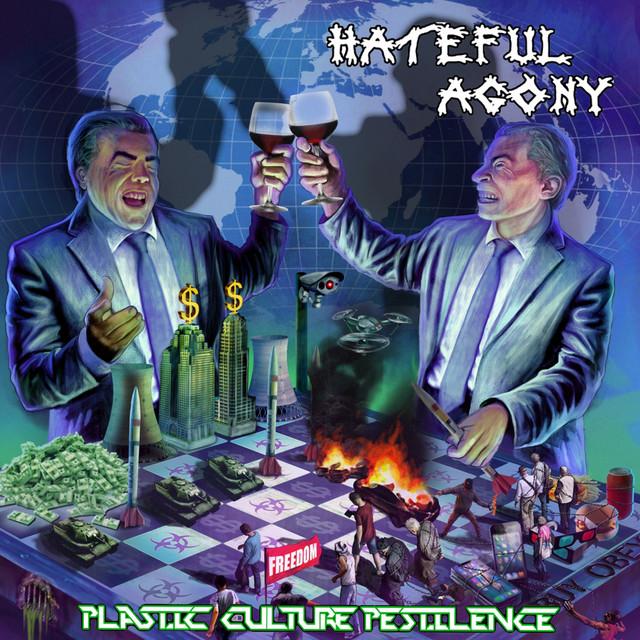
In August 2023, “Violent Ecstasy” was released, Payback's second full-lenght.
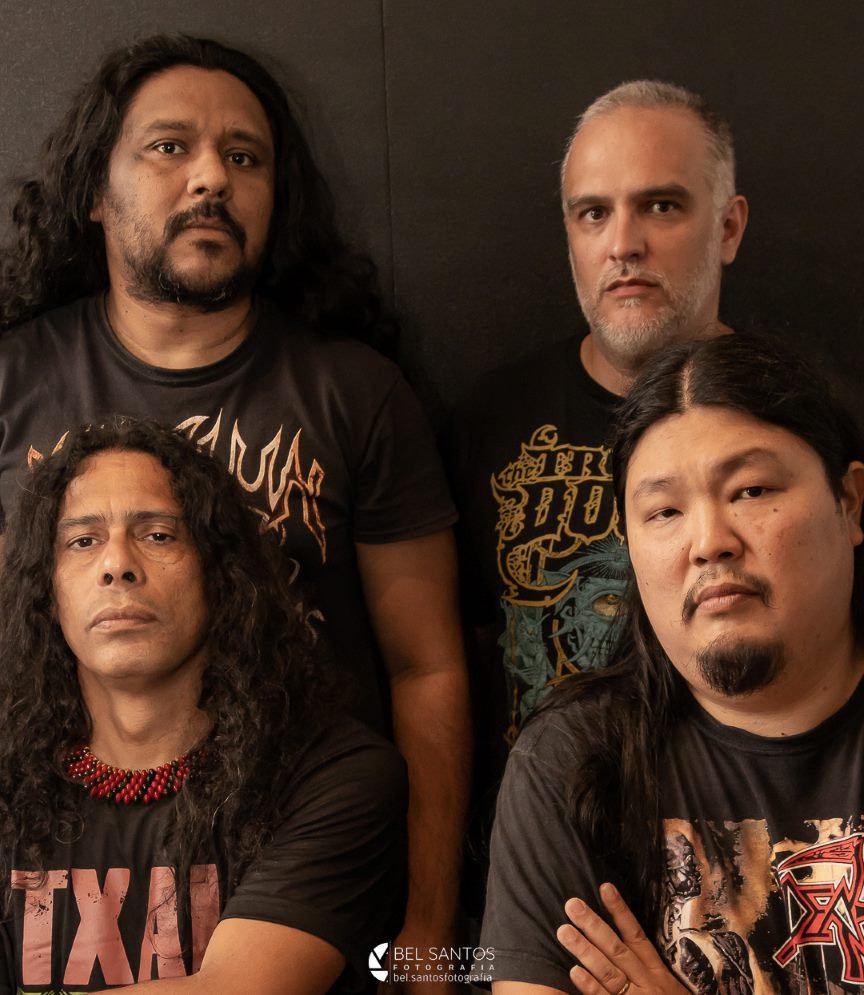
Payback is:
Daniel Tulher – bass and vocals
Thiago Pena - Drums
Igor Gustavo - Guitar
Pedro Duarte - Guitar
PT-BR:A Payback nasceu em 2011, em Belo Horizonte, Minas Gerais. Em 2020 a banda entra em estúdio e grava o primeiro disco oficial, "Padecer", pela Black Hole Productions. "Padecer" foi muito bem recebido pela crítica especializada, rendendo elogios de revistas como Roadie Crew, Raro Zine, Canal Scena e de figuras como João Gordo, entre outros.
Em agosto de 2023 foi lançado o disco "Violent Ecstasy", segundo trabalho da banda.
Payback is
Daniel Tulher - Bass and… Vocals
Thiago Pena - Drums
Igor Gustavo - Guitar
Pedro Duarte - Guitar
Viberate is a music analytics platform built for A&Rs, artist managers, labels, booking agents, marketers, and artists.
It helps music professionals track artist growth, analyze audience data, monitor playlist activity, compare artists, follow song performance, and identify opportunities across the music market.
Public artist pages provide a free preview of selected artist data. Paid plans provide access to deeper analytics, historical data, charts, comparisons, playlist tools, exports, alerts, reports, and additional professional features.
Yes. Public Viberate artist pages provide selected artist analytics and music data for free.
Viberate also offers a 7-day free trial of the full platform. A credit card is required to start the trial. The trial includes access to the complete product so users can test deeper artist analytics, historical views, playlist insights, comparisons, charts, exports, alerts, and reporting features before choosing a paid plan.
Viberate provides artist analytics across streaming, playlists, social media, video, radio airplay, songs, and audience markets.
Users can analyze Spotify performance, Spotify and Apple Music playlists, YouTube activity, TikTok and Instagram growth, radio spins, song performance, audience locations, demographics, rankings, and overall artist momentum.
Artist profiles also connect to music charts, similar artists, and comparison tools, helping users benchmark performance and evaluate artists in context.
Viberate updates key artist and track data daily.
For followed artists and tracks, selected data is refreshed multiple times per day. This helps teams monitor playlist changes, streaming movement, audience growth, releases, and campaign performance with more current data.
Update frequency can vary depending on the metric and data source.
Yes. Viberate lets users compare up to five artists side by side across streaming, social media, audience, and engagement metrics.
Users can compare fanbase growth, audience demographics, locations, Spotify performance, social metrics, and other artist data over selected time periods.
Artist comparison can be used for A&R scouting, benchmarking, booking decisions, campaign planning, and evaluating artists with similar audiences or market positions.