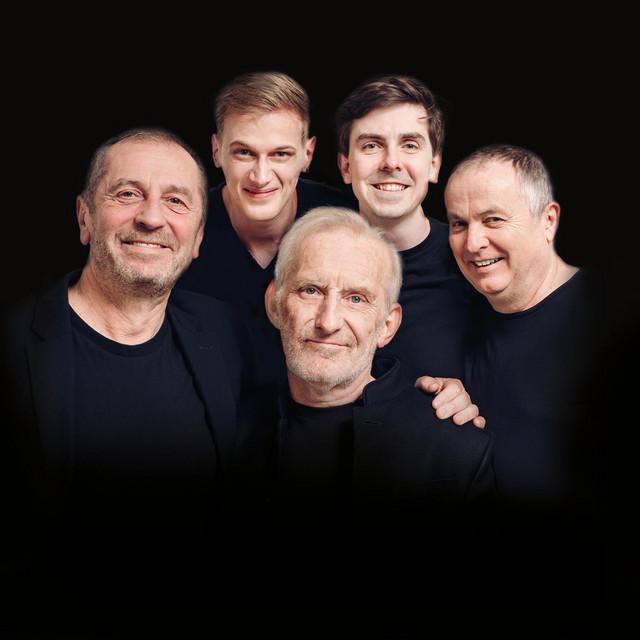
Pavel Čadek

Pop
Indie Pop
Folk Rock
 Viberate Rank: 118946
 Viberate Rank: 118946
 Monthly ListenersFollowers
 Subscribers
 Followers
 Followers
 FansTop Spotify Songs
| Track | 7-Day Streams | |
|---|---|---|
1 | 12.39K | |
2 | 6.66K | |
3 | 4.04K | |
4 | 3.27K | |
5 | 3.27K |
Top YouTube VideosMonthly ListenersFeatured in Playlists| Playlist | Followers | |
|---|---|---|
1 |  This Is XINDL X Spotify | 5.23K |
2 |  This Is Pokáč Spotify | 2.71K |
3 |  Michal Horák: největší hity SUPRAPHON | 2.69K |
4 |  Český RocK 2020 - 2026 Miroslav Dykas | 2.34K |
5 | Detske pisnicky do auta Vojta Herian | 1.54K |
Audience| City | Monthly Listeners | |
|---|---|---|
1 | | 12.98K |
2 | | 2.78K |
3 |  | 1.29K |
4 | | 907 |
5 | | 710 |
See full performance history, audience data, playlist activity, rankings, comparisons, and more in Viberate music analytics. Start with a free trial, then continue with a paid plan.
Pavel Čadek’s Spotify BioPavel Čadek je brněnský písničkář hrající na violoncello a samozvaný zakladatel nového hudebního žánru "cellofolk", což je něco mezi Nohavicou (folk) a Apocalypticou (cellorock). Jeho koncerty, bývají mixem písní vážných, satirických, nebo i zcela oddechových. Nejznámější a nejsmutnější je pravděpodobně "Nelajkla mi status", se kterou zvítězil v soutěži Notování a v 18. filmovém festivalu fakulty informatiky MU. Na koncertech občas hrává spolu s akordeonistou Ondřejem Zámečníkem, či bubeníkem Davidem Pašou nebo Adamem Sikorou. Toto uskupení si pak říká Úcellová skupina, neboť jeho členové hrají u cella.
Pavel Čadek od svého začátku v roce 2016 natočil dvě studiová alba - Cellofolk a 20-30, videoklip a duet 30 s Pokáčem a Prsa s Michalem Horákem, lidem se představil hlavně jako předskokan Pokáče, ale hrál i před dalšími hvězdami, jako je Jelen, David Koller, Barbora Poláková, Bratři Ebenové, Michal Horák, Mig 21 či Petr Bende. Zvítězil také v soutěži Notování, oblastní Portě, či ve… Filmovém festivalu fakulty informatiky MU (videoklipy Nelajkla mi status a Mám Upův syndrom).
KONCERTY, ESHOP A DALŠÍ INFO NA WWW.PAVELCADEK.CZ
Viberate is a music analytics platform built for A&Rs, artist managers, labels, booking agents, marketers, and artists.
It helps music professionals track artist growth, analyze audience data, monitor playlist activity, compare artists, follow song performance, and identify opportunities across the music market.
Public artist pages provide a free preview of selected artist data. Paid plans provide access to deeper analytics, historical data, charts, comparisons, playlist tools, exports, alerts, reports, and additional professional features.
Yes. Public Viberate artist pages provide selected artist analytics and music data for free.
Viberate also offers a 7-day free trial of the full platform. A credit card is required to start the trial. The trial includes access to the complete product so users can test deeper artist analytics, historical views, playlist insights, comparisons, charts, exports, alerts, and reporting features before choosing a paid plan.
Viberate provides artist analytics across streaming, playlists, social media, video, radio airplay, songs, and audience markets.
Users can analyze Spotify performance, Spotify and Apple Music playlists, YouTube activity, TikTok and Instagram growth, radio spins, song performance, audience locations, demographics, rankings, and overall artist momentum.
Artist profiles also connect to music charts, similar artists, and comparison tools, helping users benchmark performance and evaluate artists in context.
Viberate updates key artist and track data daily.
For followed artists and tracks, selected data is refreshed multiple times per day. This helps teams monitor playlist changes, streaming movement, audience growth, releases, and campaign performance with more current data.
Update frequency can vary depending on the metric and data source.
Yes. Viberate lets users compare up to five artists side by side across streaming, social media, audience, and engagement metrics.
Users can compare fanbase growth, audience demographics, locations, Spotify performance, social metrics, and other artist data over selected time periods.
Artist comparison can be used for A&R scouting, benchmarking, booking decisions, campaign planning, and evaluating artists with similar audiences or market positions.